Complete Guide for Homeowners: Mold Testing in Melbourne After Flooding
Flooding is stressful enough on its own. Drying carpets, repairing walls, and getting life back to normal takes time and energy. But one issue that often develops quietly after a flood is mold.
In Melbourne and nearby coastal communities, the combination of warm temperatures and lingering humidity creates ideal conditions for mold growth, especially when moisture gets trapped in walls, flooring, or air systems. Mold testing becomes an important step in understanding what’s happening inside a home after flooding—and what needs to be done next.
This guide explains what homeowners should know about mold testing, how the process works, and why it’s especially important in coastal Florida.
What Mold Testing Is and Why It Matters
Mold testing is the process of identifying whether mold is present, where it is located, and how significant the growth may be.
After flooding, mold doesn’t always grow in obvious places. It often develops:
- Behind drywall
- Under flooring
- Inside insulation
- Inside air ducts
- Around baseboards or cabinets
Testing helps determine whether hidden mold is present and whether remediation is necessary.
Without testing, homeowners sometimes assume everything is fine simply because surfaces appear dry.
Why Mold Problems Are Common After Flooding in Melbourne
Melbourne’s environment makes moisture-related problems more likely than in many other regions.
Several factors contribute:
- High humidity year-round
- Heavy seasonal rains
- Hurricanes and tropical storms
- Warm temperatures that speed mold growth
- Homes with enclosed wall cavities and attic spaces
Even when floodwater is removed quickly, moisture can remain inside materials for days or weeks.
Homes in Palm Bay, Rockledge, and Merritt Island often experience the same conditions, particularly during the rainy season.
Common Signs Mold May Be Developing
Not every mold problem is obvious at first. Many homeowners notice subtle warning signs before seeing visible growth.
Some of the most common indicators include:
- Musty or damp odors
- Persistent humidity indoors
- Discoloration on walls or ceilings
- Warping wood or trim
- Allergy-like symptoms indoors
These signs don’t always confirm mold, but they are good reasons to schedule an inspection.
Hidden Areas Where Mold Often Develops
Flooding affects more than just floors and carpets. Moisture often travels into places homeowners rarely inspect.
Frequent hidden sources include:
- Wall cavities behind drywall
- Under laminate or hardwood flooring
- Inside HVAC ducts
- Attic insulation
- Crawl spaces
Older homes in Melbourne and Satellite Beach are particularly vulnerable because older materials absorb moisture more easily than modern materials.
Mold testing helps detect issues in these concealed areas before damage becomes severe.
Why DIY Mold Testing Is Often Inaccurate
Homeowners sometimes purchase DIY testing kits, hoping for quick answers. While these kits can be useful in limited situations, they often provide incomplete or misleading results.
Common limitations include:
- Inability to identify the source of moisture
- False positives due to background spores
- No interpretation of results
- No guidance on next steps
Mold spores are naturally present in outdoor air, so a test result alone doesn’t always tell the full story.
Professional testing compares indoor and outdoor conditions to provide a clearer picture.
How Professional Mold Testing Works
A professional mold testing process usually begins with a thorough inspection of the property.
This may include:
- Visual inspection of affected areas
- Moisture detection in walls and flooring
- Air sampling when appropriate
- Surface sampling in specific locations
- Documentation of findings
The goal is to understand both the extent of mold and the moisture conditions that allowed it to develop.
Testing is not just about confirming mold—it’s about identifying the cause.
The Role of Moisture Detection
Moisture detection is often the most important step in preventing mold from returning.
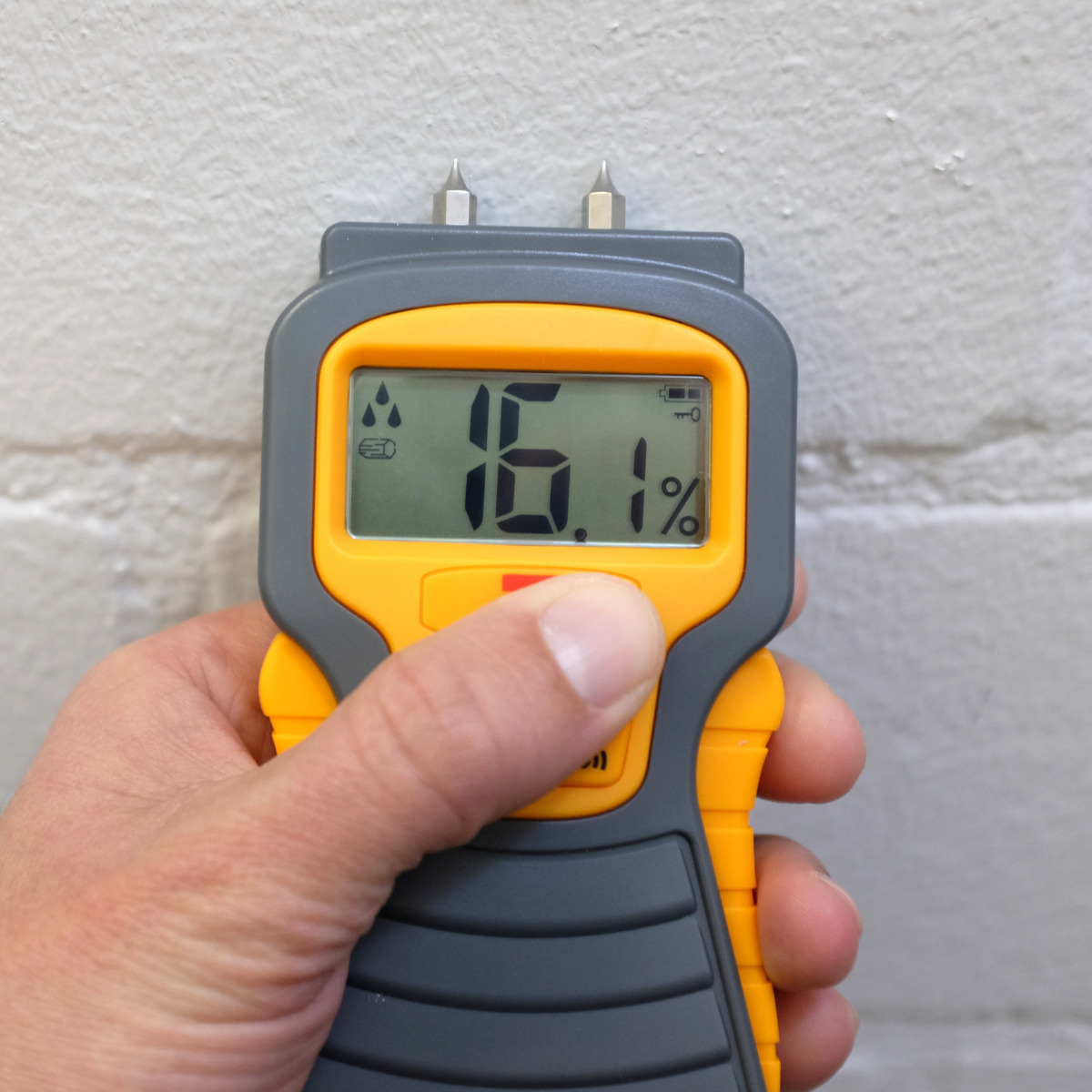
Even after floodwater is removed, moisture can remain trapped in materials. Moisture meters and thermal imaging tools help locate damp areas that aren’t visible.
In many Melbourne homes, inspections reveal moisture in:
- Baseboards and lower drywall
- Subfloors
- Insulation
- Interior framing
Drying these areas thoroughly reduces the likelihood of future mold growth.
Mold Removal and Remediation After Testing
If testing confirms mold growth, remediation may be necessary.
A proper remediation process typically involves:
- Isolating affected areas
- Removing contaminated materials when needed
- Cleaning structural surfaces
- Drying the area thoroughly
- Correcting the moisture source
Cleaning alone rarely solves the problem if moisture remains.
Addressing the underlying cause is what prevents recurrence.
Flood Restoration and Water Damage Repair
Mold testing is often just one part of recovery after flooding.
Homes may also require:
- Water extraction
- Structural drying
- Carpet and flooring assessment
- Leak detection
- Repairs to damaged materials
Flood restoration focuses on restoring the home to a dry and stable condition, which helps prevent mold problems from developing later.
In coastal communities like Melbourne and Cocoa Beach, proper drying is one of the most critical steps after flooding.
Air Ducts and HVAC Systems After Flooding
Air ducts and air conditioning systems often play a role in post-flood mold problems.
Moisture can accumulate in:
- Air handlers
- Evaporator coils
- Duct insulation
- Vent interiors
When HVAC systems circulate humid air, they can spread moisture throughout the home.
Inspections often include checking duct systems to ensure they are clean and dry.
How to Reduce Mold Risk After Flooding
Prevention is always easier than remediation. Homeowners can reduce mold risk by taking a few proactive steps.
Helpful practices include:
- Drying affected areas within 24–48 hours when possible
- Using dehumidifiers after flooding
- Inspecting attics and crawl spaces
- Checking HVAC systems after water damage
- Scheduling professional inspections when needed
Even small actions can significantly reduce long-term problems.
Why Local Experience Matters
Homes in Brevard County face unique environmental conditions. Coastal humidity, storm patterns, and construction styles all influence how moisture behaves.
Professionals familiar with Melbourne, Palm Bay, Viera, and Titusville understand:
- Where moisture tends to accumulate
- Which materials are most vulnerable
- How coastal air affects insulation and framing
- The drying timelines typical in this climate
Companies like Palm Bay Mold Removal frequently work in these environments and recognize patterns that help identify issues quickly and accurately.
Local experience often leads to faster, more effective solutions.
A Calm, Practical Next Step for Homeowners
If your home in Melbourne has experienced flooding, mold testing is a sensible step in protecting your property.
Many moisture issues remain hidden long after surfaces appear dry. A thorough inspection and testing process can provide clear answers and help prevent larger problems later.
Taking action early is often the difference between a minor cleanup and a more extensive repair. With proper drying, inspection, and follow-up, most homes recover well—and stay that way.