
Complete Guide for Homeowners: Mold Inspection in Titusville in Older Homes
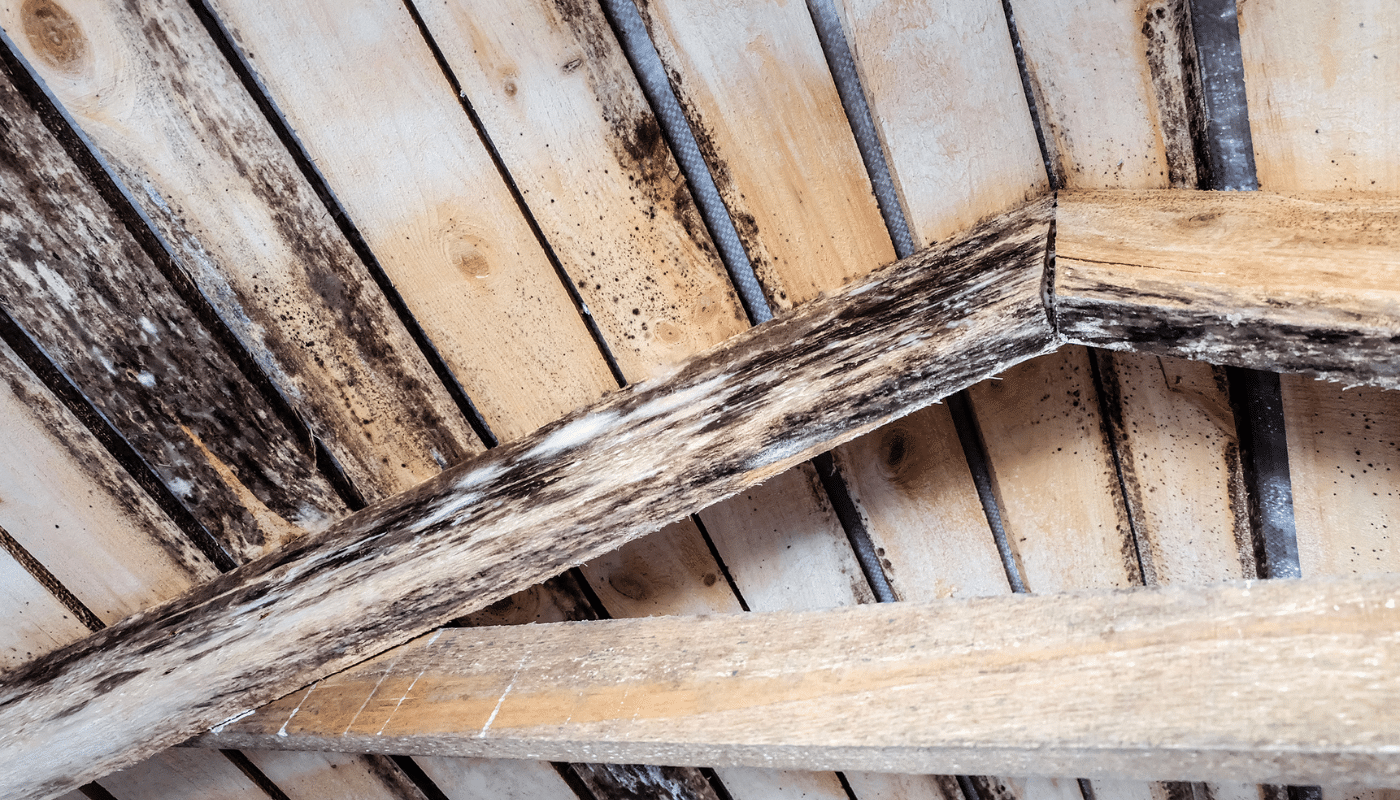
Older homes in Titusville offer charm, character, and solid craftsmanship—but they also come with unique maintenance challenges. Florida’s warm temperatures, high humidity, coastal air, and seasonal storms create ideal conditions for mold growth, especially in houses built decades ago. Aging plumbing, outdated ventilation systems, and worn roofing materials increase the risk of hidden moisture problems that can lead to mold.
For homeowners, mold inspection is not just a precaution—it’s an essential part of maintaining property value, indoor air quality, and structural integrity. This complete guide explains why mold inspections are especially important in older Titusville homes, how the inspection process works, and what homeowners can expect from start to finish.
Why Older Homes in Titusville Are More Vulnerable to Mold
Titusville’s coastal environment exposes homes to persistent humidity and storm activity. In older properties, several additional factors increase mold risk:
1. Aging Roofing Materials
Over time, shingles and flashing deteriorate, allowing small leaks during heavy rain. Even minor roof seepage can dampen attic insulation and roof decking.
2. Outdated Plumbing Systems
Galvanized or aging copper pipes may corrode or develop slow leaks behind walls or beneath slab foundations.
3. Limited Ventilation Design
Many older homes were not built with modern ventilation standards. Insufficient attic vents, sealed crawl spaces, or limited air returns can trap humid air.
4. Original Insulation and Drywall
Older building materials may retain moisture more easily and take longer to dry after exposure.
5. Settling Foundations
Minor structural shifts over time may create cracks where moisture can infiltrate.
Because mold thrives in warm, damp environments, these age-related vulnerabilities make regular inspection especially important.
What Is Mold and Why It Matters
Mold is a fungus that grows in damp environments and spreads through microscopic airborne spores. Common types found in Florida homes include:
- Cladosporium
- Aspergillus
- Penicillium
- Stachybotrys chartarum (often referred to as black mold)
Mold feeds on organic materials such as wood, drywall, insulation, and carpet backing. Once established, it can:
- Weaken structural materials
- Cause staining and odors
- Reduce indoor air quality
- Spread rapidly if moisture remains present
Older homes with hidden moisture sources are particularly susceptible to long-term mold colonization.
Signs Mold May Be Present in an Older Home
Homeowners in Titusville should watch for:
- Persistent musty odors
- Water stains on ceilings or walls
- Peeling paint or bubbling wallpaper
- Warped flooring
- Soft or crumbling drywall
- Increased allergy-like symptoms indoors
- Visible dark or greenish patches on surfaces
However, mold is often hidden behind walls, under flooring, or inside ductwork. That’s why professional inspection is essential.
When Should Homeowners Schedule a Mold Inspection?
Mold inspections are recommended:
- After heavy storms or hurricanes
- If a plumbing leak has occurred
- Before purchasing or selling an older home
- When indoor humidity feels consistently high
- If unexplained odors persist
- As part of routine maintenance every few years
In Titusville’s humid climate, proactive inspections help prevent costly remediation later.
Step-by-Step Mold Inspection Process
Professional mold inspections follow a structured approach designed to identify both visible and hidden contamination.
1. Initial Consultation
The inspector gathers information about:
- Previous leaks or flooding
- Areas with odors or visible staining
- HVAC performance issues
- History of repairs or renovations
This helps guide the inspection process.
2. Visual Examination
Inspectors thoroughly examine:
- Attics and roof decking
- Crawl spaces and subfloors
- Bathrooms and kitchens
- Around windows and doors
- HVAC units and ductwork
- Under sinks and near water heaters
Older homes often have hidden cavities where moisture accumulates unnoticed.
3. Moisture Detection and Mapping
Specialized tools are used to locate hidden dampness:
- Moisture meters measure water content in building materials.
- Thermal imaging cameras detect temperature differences that may indicate moisture behind walls.
- Hygrometers assess indoor humidity levels.
Moisture mapping is particularly important in older homes, where leaks may have gone unnoticed for years.
4. Air Sampling
Air samples are collected from different areas of the home. These samples are compared to outdoor air levels to determine whether indoor mold concentrations are elevated.
Air sampling is especially helpful when:
- Mold is suspected but not visible
- Residents report respiratory irritation
- A home purchase is pending
5. Surface Sampling
If visible mold is present, surface samples may be collected using swabs or tape lifts. Laboratory analysis identifies the mold species and concentration levels.
This step determines whether potentially harmful molds are present and guides remediation planning.
6. Detailed Reporting
After inspection, homeowners receive a report outlining:
- Mold types detected
- Locations of contamination
- Moisture sources
- Severity of growth
- Recommended next steps
Clear documentation is valuable for insurance claims or real estate transactions.
Common Mold Problem Areas in Older Titusville Homes
Attics
Poor ventilation allows humid air to condense on roof decking.
Crawl Spaces
Ground moisture combined with limited airflow creates persistent dampness.
HVAC Systems
Older ductwork may trap condensation, spreading spores throughout the home.
Behind Drywall
Slow plumbing leaks can feed hidden mold colonies.
Window Frames
Coastal humidity and aging seals allow moisture intrusion.
What Happens After Mold Is Found?
If mold is confirmed, remediation follows a structured process:
- Containment – Isolate affected areas to prevent spore spread.
- Removal – Damaged drywall, insulation, or carpet may be removed.
- Cleaning – Non-porous surfaces are treated with antimicrobial solutions.
- Drying – Dehumidifiers and air movers eliminate residual moisture.
- Ventilation Improvements – Address airflow deficiencies to prevent recurrence.
Addressing the moisture source is just as important as removing the mold itself.
Cost of Mold Inspection in Titusville
Inspection costs vary based on home size and testing complexity:
- Basic inspection with limited sampling: $250–$500
- Comprehensive air and surface testing: $500–$900
- Large or complex properties: $900–$1,500+
Compared to extensive mold remediation or structural repairs, inspection is a cost-effective preventive measure.
Preventing Mold in Older Homes
Prevention focuses on moisture control:
- Maintain roof and gutters regularly
- Repair plumbing leaks promptly
- Install attic ventilation upgrades
- Use dehumidifiers during humid months
- Ensure bathroom and kitchen exhaust fans function properly
- Schedule periodic HVAC maintenance
- Monitor indoor humidity (ideal range: 40–60%)
Older homes benefit from modernization efforts that improve airflow and moisture resistance.
Health and Indoor Air Quality Considerations
While mold affects structures, it also impacts indoor air quality. Airborne spores can circulate through older HVAC systems, particularly if ducts are unsealed or poorly insulated.
Maintaining dry, well-ventilated conditions supports cleaner indoor air and greater overall comfort.
Why Local Expertise Matters
Inspectors familiar with Titusville understand:
- Coastal humidity patterns
- Storm-related moisture risks
- Common construction styles in older Florida homes
- Slab foundation moisture behavior
Local knowledge ensures thorough inspection tailored to regional conditions.
Long-Term Benefits of Regular Mold Inspections
- Early detection of hidden moisture
- Reduced risk of large-scale remediation
- Protection of structural components
- Improved indoor air quality
- Higher property resale value
- Peace of mind for homeowners
In a humid coastal city like Titusville, regular mold inspections are a proactive investment in long-term home durability.
Conclusion
Older homes in Titusville offer unique character but face heightened risks of mold due to aging materials, outdated ventilation, and Florida’s humid climate. Mold inspection provides homeowners with a comprehensive understanding of hidden moisture issues, air quality conditions, and structural vulnerabilities.
Through visual assessment, moisture detection, air sampling, and detailed reporting, professional inspections identify problems before they escalate. Combined with proper maintenance and ventilation improvements, mold inspections protect both the integrity of older homes and the health of those living inside them.
For Titusville homeowners, staying ahead of mold growth isn’t just about repair—it’s about preservation, prevention, and long-term peace of mind.