Complete Guide for Homeowners: Moisture Detection in Viera During Rainy Season
Florida homeowners know that the rainy season brings more than just occasional downpours—it also introduces significant risks for water intrusion and hidden moisture. In Viera, heavy rainfall combined with high humidity creates the perfect environment for mold, structural damage, and indoor air quality issues. Understanding how to detect moisture early can save homeowners time, money, and frustration.
Whether you live in a single-family home, townhouse, or small residential complex, recognizing signs of moisture and acting quickly is critical. This guide provides a comprehensive overview for homeowners, focusing on local conditions, common problem areas, and practical detection techniques.
What Moisture Detection Really Means
Moisture detection is the process of identifying areas where water is present or where humidity levels are high enough to cause damage over time. Moisture in homes can be obvious, like a flooded basement or a dripping ceiling, but often it’s hidden behind walls, under flooring, or inside attics.
In Viera, common sources of moisture include:
- Roof leaks from heavy rain
- AC condensation overflows
- Plumbing leaks in bathrooms and kitchens
- Water intrusion around windows or doors
- Flooding in low-lying areas of the home
Without early detection, moisture can lead to mold growth, wood rot, and even compromise the structural integrity of the building.
Why Moisture Problems Are Common in Viera
The central Florida climate presents specific challenges for homeowners. Rainfall during the summer months can be intense, with thunderstorms delivering large volumes of water in a short time. Combined with year-round high humidity, this creates conditions favorable for mold and hidden water damage.
Homes in nearby areas such as Palm Bay, Rockledge, and Cocoa Beach face similar challenges. Older construction may lack modern moisture barriers, while newer homes can still experience condensation issues in attics or under slab foundations.
Key factors contributing to moisture issues include:
- Poor ventilation in attics, crawl spaces, and closets
- Air-conditioning systems producing condensation that isn’t properly drained
- Leaks in roofing or plumbing that go unnoticed for weeks
- Heavy rainstorms that exceed drainage capabilities
Common Signs Homeowners Should Watch For
Identifying moisture early is crucial. Homeowners can look for these common indicators:
- Musty or damp odors in living spaces
- Staining or discoloration on walls, ceilings, or baseboards
- Peeling paint or wallpaper
- Warped or buckled flooring
- Condensation on windows, doors, or AC ducts
- Visible water droplets around plumbing fixtures
Even small indicators should not be ignored, as they may signal larger hidden issues.
Hidden or Overlooked Sources of Moisture
Many moisture problems remain hidden until they cause noticeable damage. Common overlooked sources include:
- Behind drywall or wall coverings, especially after plumbing leaks
- Beneath carpet or laminate flooring
- Inside attic insulation or around roof penetrations
- Around HVAC units and ductwork
- In crawl spaces or under slabs
During Florida’s rainy season, water can seep into foundations or crawl spaces, saturating insulation and wood structures. Detecting this early prevents mold growth and structural damage.
Tools and Techniques for Moisture Detection
Professional moisture detection uses specialized equipment, but homeowners can also take proactive measures.
Common detection tools include:
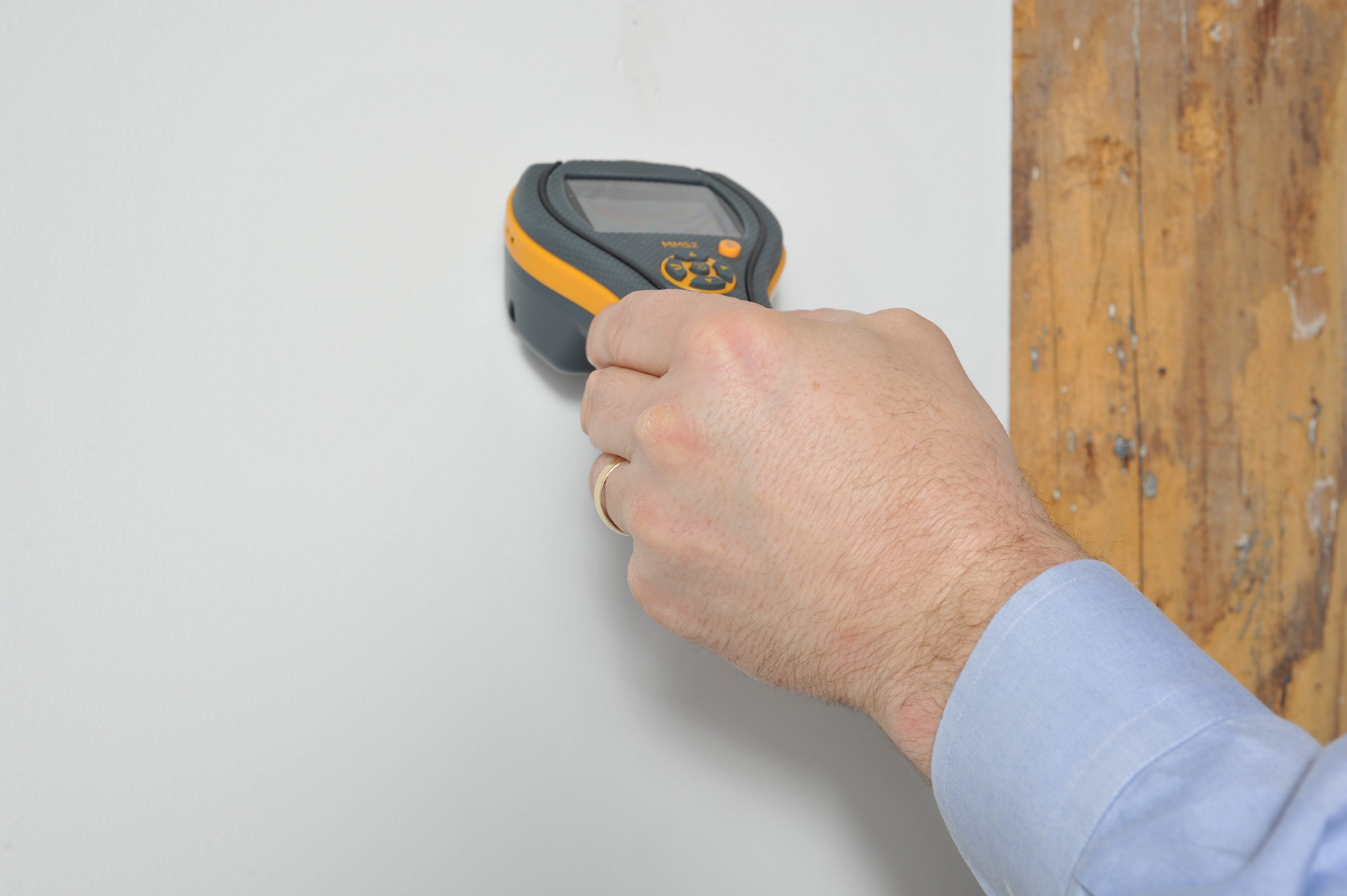
- Moisture meters – Measure water content in wood, drywall, and other materials
- Infrared cameras – Reveal temperature differences that indicate moisture accumulation
- Hygrometers – Monitor indoor humidity levels
- Visual inspection – Check ceilings, walls, baseboards, and attics regularly
- Water testing kits – Detect hidden leaks in plumbing
Regular inspection during the rainy season is essential. Combining visual checks with technological tools helps ensure that moisture problems are discovered before mold develops.
Why Early Detection Matters
Detecting moisture early prevents larger, costlier problems. If water intrusion goes unnoticed, it can lead to:
- Mold growth, including black mold
- Structural weakening of drywall, wood, or flooring
- Damage to insulation and HVAC systems
- Reduced indoor air quality
- Increased maintenance costs over time
In areas like Merritt Island or Satellite Beach, rapid detection is particularly important because stormwater can enter homes quickly, even during short rainfall events.
DIY vs Professional Moisture Detection
Homeowners can perform basic checks, but professional inspection offers a more comprehensive assessment. Professionals bring:
- Advanced tools such as thermal imaging cameras and moisture probes
- Expertise in locating hidden water intrusion
- Knowledge of local construction practices and climate challenges
- Experience with areas prone to mold or water damage
Hiring professionals for seasonal inspections in Viera can prevent serious damage, especially in older properties or homes with complex HVAC systems.
Moisture Management After Detection
Once moisture is detected, the next step is controlling it to prevent mold and damage. Common methods include:
- Immediate repair of leaks in roofs, windows, or plumbing
- Use of dehumidifiers in high-humidity areas
- Ensuring proper ventilation in attics, bathrooms, and utility rooms
- Drying wet flooring or carpet with professional equipment
- Monitoring humidity levels with hygrometers
For properties that have experienced significant water intrusion, remediation experts can safely remove affected materials, clean surfaces, and restore structural integrity.
The Role of HVAC Systems in Moisture Control
Air-conditioning systems can both cause and mitigate moisture problems. Condensation from AC units must drain properly, and ducts should be checked regularly for leaks or moisture accumulation.
Failure to address AC-related moisture can lead to:
- Mold growth inside ducts
- Circulation of spores throughout the home
- Damage to duct insulation and metal components
Regular HVAC maintenance, especially before and during the rainy season, helps prevent moisture buildup in living spaces.
Preventive Steps for Homeowners in Viera
Proactive moisture control can reduce the risk of long-term damage. Homeowners should consider:
- Inspecting roofs, gutters, and flashing before heavy rainfall
- Sealing gaps around windows, doors, and foundations
- Installing exhaust fans or dehumidifiers in bathrooms and laundry areas
- Scheduling routine HVAC maintenance
- Checking crawl spaces, attics, and basements for signs of water intrusion
- Encouraging tenants (if renting) to report leaks or musty odors promptly
By taking these steps, homeowners can minimize damage and avoid costly remediation later.
Why Local Expertise Matters
Florida homes face unique environmental challenges, and local professionals understand the nuances of Viera’s rainy season. They are familiar with:
- Regional construction methods and common vulnerabilities
- Typical stormwater patterns and seasonal flooding risks
- Local humidity trends and AC condensation issues
- Best practices for preventing mold in coastal homes
Companies like Palm Bay Mold Removal have hands-on experience with these conditions, ensuring inspections and remediation address both immediate moisture problems and long-term prevention.
Calm, Practical Next Steps
Moisture detection is a key part of responsible homeownership in Viera, especially during the rainy season. Homeowners should:
- Conduct regular inspections of visible areas and problem spots
- Use moisture meters or hire professionals for hidden detection
- Address leaks, condensation, and high humidity promptly
- Maintain HVAC systems to prevent water accumulation
- Monitor indoor humidity and implement preventative measures
Early detection and proactive management help keep homes dry, safe, and mold-free, protecting both the property and the well-being of occupants.
With the right combination of vigilance, tools, and local expertise, moisture-related problems can be minimized, even during Florida’s wettest months.