
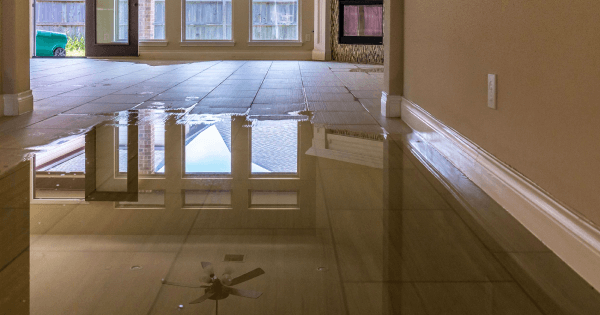
Complete Guide for Homeowners: Flood Restoration in Merritt Island in Humid Summers
Flooding in Merritt Island during summer hits differently.
It’s not just the water you see — it’s the humidity that sticks around afterward. Afternoon storms roll in fast. Tropical systems stall. Groundwater rises. Then the sun comes back out and everything feels like a sauna.
In Merritt Island, flood restoration isn’t just about removing water. It’s about managing moisture in a climate where the air itself slows drying.
This guide walks homeowners through what actually happens after a flood, what to expect, and how to prevent long-term damage during humid Florida summers.
Why Flooding Is Harder to Manage in Merritt Island Summers
Summer in Merritt Island means:
- Daily rain patterns
- High groundwater levels
- 80–95% outdoor humidity
- Warm temperatures that accelerate material breakdown
- AC systems running constantly
Even if standing water is removed quickly, building materials absorb moisture and dry slowly in this environment.
Humidity is what turns a minor flood into a bigger restoration project.
Common Summer Flood Sources in Merritt Island
Flooding here isn’t always hurricane-related. The most common summer sources include:
1. Heavy Rain and Drainage Overflow
Short, intense rainstorms overwhelm:
- Yard grading
- Storm drains
- Driveway slopes
- Garage thresholds
Water enters low points first.
2. Storm Surge and Wind-Driven Rain
During tropical systems, water pushes through:
- Sliding door tracks
- Window seals
- Roof penetrations
- Garage doors
Even a small intrusion can wick upward into drywall.
3. Plumbing Failures
Humidity makes everything worse after:
- Water heater leaks
- Washing machine hose failures
- AC drain line backups
- Slab leaks
Water spreads quickly under flooring.
4. Groundwater Saturation
Merritt Island’s proximity to the Indian River Lagoon means high groundwater levels. Extended rain can cause moisture to migrate upward through slab edges.
What Happens If Flooding Isn’t Handled Quickly
In humid summers, materials don’t get a chance to “air dry.”
Without proper restoration:
- Drywall swells and weakens
- Insulation stays damp
- Flooring cups or separates
- Cabinets swell
- Musty odor develops
- Mold begins forming in hidden cavities
In Florida, 24–48 hours of dampness can create conditions for microbial growth.
Step-by-Step Flood Restoration Process
Proper flood restoration in Merritt Island follows a structured approach.
Step 1: Stop the Water Source
Before restoration begins, the source must be addressed:
- Repair plumbing leaks
- Seal exterior intrusion points
- Improve drainage
- Clear clogged AC lines
Without fixing the source, restoration won’t hold.
Step 2: Water Extraction
Standing water is removed using professional extraction equipment. The faster this happens, the less material damage occurs.
Step 3: Moisture Detection and Mapping
This step is critical in humid summers.
Moisture meters check:
- Drywall bottom sections
- Baseboards
- Subflooring
- Cabinet bases
- Adjacent rooms
Thermal imaging may be used to locate hidden damp areas.
Surface dryness is not enough.
Step 4: Removal of Unsalvageable Materials
Flooded porous materials often require removal, including:
- Lower drywall sections
- Wet insulation
- Carpet padding
- Swollen cabinet bases
- Compromised baseboards
Selective removal prevents ongoing moisture retention.
Step 5: Structural Drying
This is where summer humidity matters most.
Commercial-grade:
- Dehumidifiers
- Air movers
- Moisture monitoring equipment
are used to control indoor conditions.
Drying isn’t complete until moisture readings confirm acceptable levels.
Step 6: Cleaning and Sanitizing
After drying, surfaces are cleaned to remove contamination and prevent odor development.
Step 7: Repairs and Reconstruction
Only after materials are verified dry should rebuilding begin:
- Drywall replacement
- Insulation reinstallation
- Trim repair
- Flooring restoration
- Painting
Rebuilding too early traps moisture.
The Role of HVAC in Summer Flood Recovery
In Merritt Island summers, HVAC systems can either help or worsen moisture issues.
Common concerns include:
- AC drain line clogs
- Condensate pan overflow
- Duct insulation sweating
- Return chases pulling humid air
If the HVAC system circulated damp air during flooding, inspection may be necessary.
Humidity control is the foundation of successful restoration.
Costs of Flood Restoration in Merritt Island
Costs vary based on:
- Size of affected area
- Duration of moisture exposure
- Depth of material saturation
- HVAC involvement
- Accessibility (attic, wall cavities, crawl spaces)
- Reconstruction scope
General patterns:
- Small localized flooding = lower range
- Multiple rooms or structural involvement = mid-range
- Extensive insulation and attic contamination = higher range
Humidity increases drying time, which can influence cost.
Early intervention keeps restoration manageable.
How to Prevent Flood Damage During Humid Summers
Prevention is mostly about preparation.
Improve Exterior Drainage
Ensure:
- Gutters are clear
- Downspouts direct water away
- Yard grading slopes properly
- Garage thresholds are sealed
Inspect Before Storm Season
Check:
- Roof flashing
- Window seals
- Sliding door tracks
- Exterior penetrations
Small vulnerabilities become entry points during heavy rain.
Maintain HVAC Systems
Regularly:
- Clear AC drain lines
- Inspect condensate pans
- Check duct insulation
- Monitor indoor humidity
Aim for indoor humidity below 55%.
Act Quickly After Any Water Event
Even minor leaks should be addressed immediately in humid weather.
Delays multiply restoration scope.
Why Local Experience Matters
Flood restoration in Merritt Island isn’t the same as inland states.
Local challenges include:
- High groundwater
- Coastal humidity
- Salt corrosion
- Frequent rain patterns
- Slab foundations
Homes in Merritt Island, Cocoa Beach, Satellite Beach, Melbourne, and Palm Bay share these environmental pressures.
Palm Bay Mold Removal regularly performs flood restoration and moisture detection across Brevard County, focusing on controlling humidity first and structural repair second.
Because in Florida summers, moisture lingers longer than you think.
A Practical Next Step
If your Merritt Island home experiences flooding during humid summer months, act quickly — even if the water seems minor.
Extraction and proper drying are far less expensive than structural repairs and mold remediation later.
Flood restoration is manageable when handled promptly and methodically.
In humid Florida summers, time matters.