
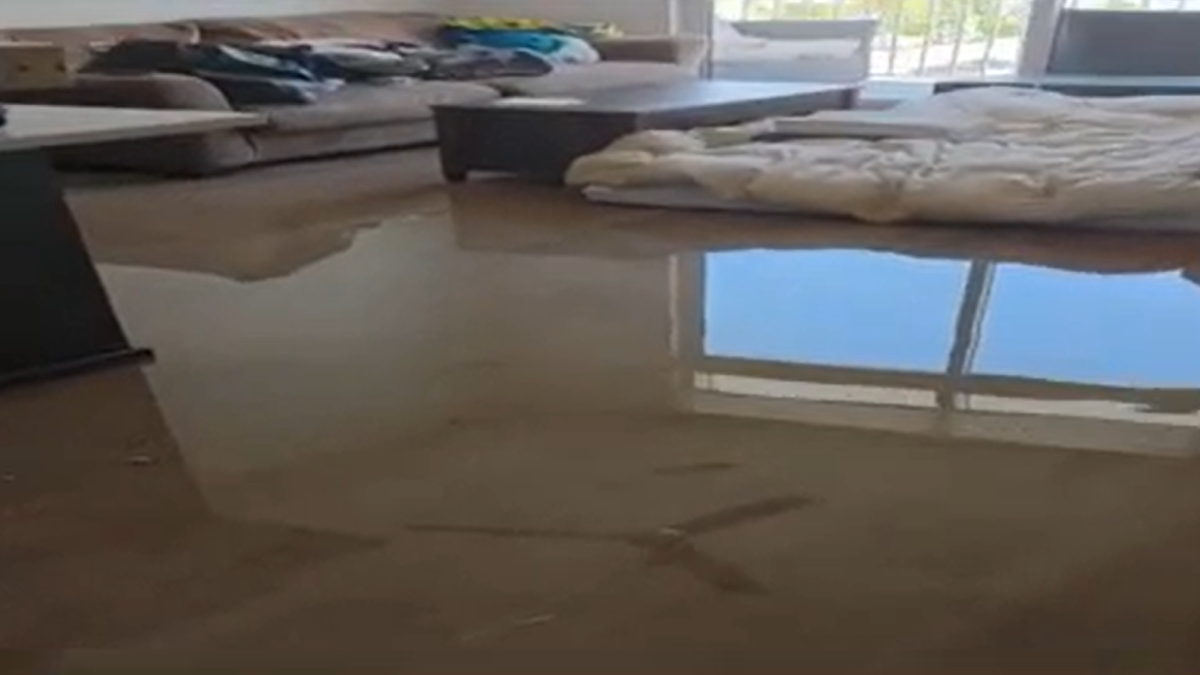
Complete Guide for Homeowners: Emergency Water Removal in Merritt Island Rental Properties
In Merritt Island, water emergencies rarely wait for a convenient time. A supply line bursts while tenants are at work. An AC drain backs up over a weekend. A storm pushes wind-driven rain through a slider. In rental properties, delays make everything worse.
Coastal humidity, slab construction, and year-round AC use mean water doesn’t just sit — it spreads. And in a rental, every hour matters because you’re protecting structure, contents, and tenant relationships at the same time.
This guide walks through what homeowners and landlords in Merritt Island need to know about emergency water removal — step by step.
Why Water Emergencies Escalate Faster in Coastal Rentals
Merritt Island properties deal with:
- High year-round humidity
- Slab-on-grade construction
- Salt-heavy coastal air
- Frequent heavy storms
- Continuous HVAC operation
When water enters a home here, evaporation is slower. Moisture gets trapped in drywall, under tile, inside insulation, and within concrete slabs.
In rental properties, added risks include:
- Delayed reporting by tenants
- Furniture blocking airflow
- AC systems running while wet materials remain
- Occupied units limiting access
Fast, structured response prevents small incidents from becoming mold remediation projects.
Step 1: Immediate Actions (First Few Hours)
When you receive the call:
- Confirm the source
Is it plumbing, roof intrusion, appliance failure, or AC overflow? - Stop the water
Shut off the main water line if necessary. Turn off affected appliances. If roof-related, temporary tarping may be needed. - Cut power to affected areas
Especially if water reached outlets or baseboards. - Notify tenants clearly
Explain what will happen next and expected access needs.
In Merritt Island, storm-related water may continue entering during active weather. Stabilizing the structure is priority one.
Step 2: Professional Inspection and Moisture Mapping
Visible water is only part of the problem.
Emergency water removal begins with moisture detection using:
- Non-invasive moisture meters
- Thermal imaging cameras
- Hygrometers to measure indoor humidity
- Slab moisture testing when needed
Water in slab homes often migrates under flooring before surfacing in another room.
In coastal climates, mapping moisture early prevents hidden damage from being missed.
Step 3: Water Extraction
Extraction must begin immediately.
Commercial extraction equipment removes standing water from:
- Tile floors
- Hardwood
- Carpet and padding
- Concrete surfaces
In many cases, carpet padding must be removed. Padding holds water far longer than carpet fibers.
Fast extraction reduces:
- Swelling
- Delamination
- Odor
- Mold risk
In humid Merritt Island conditions, time is critical.
Step 4: Controlled Demolition (If Required)
Some materials cannot be saved.
Depending on water category and exposure time, removal may include:
- Saturated drywall (typically 12–24 inches above water line)
- Insulation
- Baseboards
- Warped laminate or engineered flooring
- Contaminated carpet padding
Rental properties often require careful documentation for insurance and tenant transparency.
Step 5: Structural Drying
Drying is where many jobs fail if rushed.
Industrial air movers create airflow across wet surfaces. Commercial dehumidifiers remove moisture from both air and materials.
Drying targets:
- Wall cavities
- Framing
- Subfloors
- Slabs
- Adjacent rooms
In Merritt Island’s coastal humidity, passive drying with fans is not enough.
Moisture must be actively pulled out and monitored.
Step 6: Daily Moisture Monitoring
Professional drying includes verification.
Daily readings confirm:
- Moisture content in drywall
- Subfloor stability
- Slab moisture levels
- Safe indoor humidity range
Without monitoring, rebuilding too early traps moisture inside walls — leading to mold complaints weeks later.
Step 7: Cleaning and Sanitizing
If water came from:
- Appliance overflow
- Dishwasher or washing machine (gray water)
- Storm intrusion
Cleaning and sanitizing surfaces is necessary.
Odor control is also important in rental units. Lingering musty smells lead to tenant dissatisfaction even if the structure is dry.
Step 8: HVAC Inspection
In Merritt Island rentals, AC systems often contribute to or worsen water damage.
Common AC-related issues include:
- Clogged condensate drain lines
- Rusted drain pans
- Refrigerant line sweating
- Duct condensation in hot attics
If moisture entered duct systems, inspection is essential to prevent circulating humid air or contaminants.
When Tenants Are Involved
Emergency water removal in rentals requires clear communication.
Landlords should:
- Document moisture readings
- Provide drying timelines
- Clarify whether temporary relocation is needed
- Maintain transparency regarding repair progress
Quick response builds trust. Delays often create disputes.
Common Water Sources in Merritt Island Rentals
Based on local patterns, frequent causes include:
- Supply line failures under sinks
- Water heater leaks
- Slab plumbing leaks
- AC overflow in closets
- Hurricane-driven rain intrusion
- Roof flashing failures
Older rental homes are particularly vulnerable to plumbing-related issues.
Storm Season Complications
During hurricane season:
- Drying takes longer due to high ambient humidity
- Power outages may interrupt equipment
- Additional rain may slow progress
- Exterior intrusion may overlap with plumbing leaks
Post-storm inspections should always include attic and roof evaluation.
Preventing Mold After Water Removal
In coastal Florida, mold can begin growing within 24–48 hours.
Prevention requires:
- Rapid extraction
- Removal of saturated materials
- Controlled dehumidification
- Verification of dry conditions
Maintaining indoor humidity between 45–55% after drying helps prevent recurrence.
Long-Term Protection for Rental Properties
To reduce future emergencies:
- Replace aging supply lines
- Install float switches on AC systems
- Flush condensate drain lines twice yearly
- Inspect roofs before hurricane season
- Install leak detection sensors near water heaters and sinks
- Schedule routine plumbing inspections
Preventive maintenance costs far less than emergency reconstruction.
Why Local Coastal Experience Matters
Emergency water removal in Merritt Island differs from inland cities because:
- Slab foundations retain moisture longer
- Coastal humidity slows drying
- Salt air accelerates corrosion
- Continuous AC operation affects humidity balance
Understanding these conditions allows for accurate drying timelines and complete moisture control.
A Practical Takeaway for Homeowners
In Merritt Island rental properties, emergency water removal isn’t just about removing visible water.
It’s about:
- Stopping the source quickly
- Mapping hidden moisture
- Extracting water immediately
- Performing controlled structural drying
- Verifying dryness before repairs
- Communicating clearly with tenants
Handled correctly, most water incidents can be resolved without long-term structural damage.
Handled slowly or superficially, they turn into mold remediation, flooring replacement, and ongoing tenant complaints.
In coastal rental properties, speed and structure make the difference.