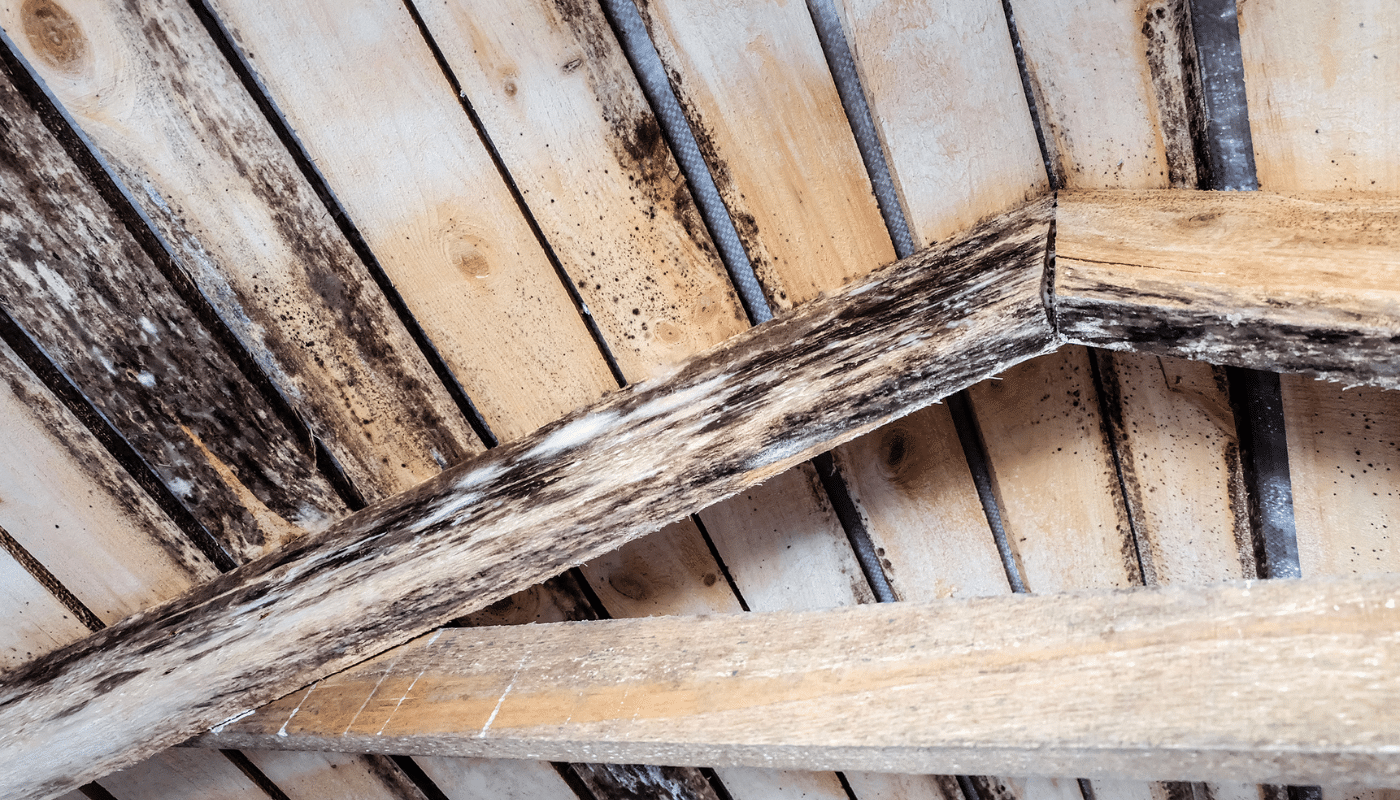
Cocoa Beach Mold Removal After Storm Damage: Professional Tips for Property Owners
Storms are a regular part of life in Cocoa Beach. Heavy rain, wind-driven moisture, and occasional flooding can affect homes in ways that are not always immediately visible. Even when major structural damage is avoided, storm-related moisture can remain trapped in walls, ceilings, insulation, and HVAC systems. In Florida’s warm coastal climate, these damp areas can quickly lead to mold growth.
Mold removal after storm damage is not just about cleaning visible spots. It involves identifying moisture sources, inspecting hidden areas, drying the structure thoroughly, and repairing the conditions that allowed mold to develop. Understanding how this process works helps property owners protect their homes and prevent recurring problems.
How Storm Damage Leads to Mold Problems
During a storm, moisture can enter a home through several pathways. Roof leaks, window intrusion, and small openings around vents or flashing can allow water to seep into attic spaces and wall cavities. Flooding or standing water can also raise humidity levels throughout the structure.
Once moisture enters building materials, mold may begin to develop when:
- Insulation remains damp
- Drywall absorbs water
- Wood framing stays wet
- Indoor humidity remains elevated
Because mold often grows in hidden areas first, homeowners may not notice the problem until odors or stains appear.
Why Cocoa Beach Homes Are Vulnerable After Storms
Cocoa Beach and nearby communities such as Cape Canaveral, Satellite Beach, and Merritt Island experience environmental conditions that make mold growth more likely after storms.
Coastal humidity
Moist ocean air slows drying and keeps materials damp longer.
Frequent rain and tropical weather
Storm systems often bring heavy rainfall and wind-driven moisture.
Warm temperatures year-round
Heat accelerates mold growth once moisture is present.
Attic-installed HVAC systems
Many homes have ductwork in attics where storm moisture and humidity accumulate.
These conditions mean that even minor storm damage should be inspected promptly.
Early Signs of Mold After Storm Damage
Mold rarely appears overnight, but early warning signs often develop within days or weeks after a storm.
Property owners commonly notice:
- Musty or damp odors
- Water stains on ceilings or walls
- Peeling paint or bubbling drywall
- Dark spots near vents or corners
- Rooms that feel humid or stale
These signs often indicate hidden moisture that should be addressed quickly.
Hidden Areas Where Mold Often Develops
After storm damage, mold frequently develops in areas that are not immediately visible.
Attics
Roof leaks may dampen insulation and wood framing long before ceiling stains appear.
Wall cavities
Water entering through small openings may travel downward inside walls.
Under flooring
Moisture trapped beneath carpet or tile can remain for long periods.
Air ducts and HVAC systems
Humidity and condensation may affect ducts and air handlers, allowing mold to grow and spread.
Professional inspections often reveal moisture in these areas even when surfaces appear dry.
Why DIY Mold Removal Often Falls Short
Some homeowners attempt to clean visible mold using household cleaners. While this may remove surface staining, it rarely solves the underlying problem.
DIY removal often fails because:
- Moisture sources remain untreated
- Mold inside porous materials cannot be fully removed
- Hidden contamination continues to spread
- Improper cleaning may disperse spores
Professional remediation focuses on both removing contamination and correcting moisture conditions.
Professional Mold Inspection After Storm Damage
A thorough inspection is the first step in effective mold removal.
Professionals typically:
- Inspect ceilings, walls, and flooring for signs of moisture
- Check attic spaces and insulation
- Measure indoor humidity levels
- Use moisture meters to locate hidden damp areas
- Inspect HVAC systems and ductwork
Technicians familiar with Cocoa Beach homes understand how coastal weather patterns affect moisture movement and drying times.
Mold Removal and Remediation Process
Once mold is confirmed, remediation follows a structured process designed to restore the home safely.
Containment of affected areas
Barriers may be used to prevent spores from spreading to unaffected rooms.
Removal of contaminated materials
Damaged drywall, insulation, or flooring may be removed if necessary.
Cleaning and treatment of structural surfaces
Remaining materials are cleaned using professional methods designed to remove contamination safely.
Drying and dehumidification
Industrial drying equipment reduces moisture levels to safe ranges.
Repairs and restoration
Affected materials are repaired or replaced to restore the home.
Palm Bay Mold Removal and other regional specialists often emphasize that eliminating moisture sources is essential to prevent mold from returning.
Water Damage Restoration and Structural Drying
Mold removal is often part of a larger restoration process after storms. Proper restoration may include:
- Water extraction and removal
- Structural drying of walls, ceilings, and flooring
- Moisture monitoring until materials are dry
- Cleaning and sanitizing affected areas
These steps help prevent long-term structural damage and recurring mold growth.
HVAC Systems and Mold Risks After Storms
Storm-related humidity and attic moisture can affect HVAC systems. Moisture inside ducts or air handlers may allow mold to develop and circulate through airflow.
Common HVAC-related contributors include:
- Damp duct insulation
- Condensation buildup
- Clogged condensate drains
- Poor airflow
Inspecting HVAC systems after storm damage helps maintain indoor air quality and system efficiency.
Preventing Mold After Storm Damage
Property owners in Cocoa Beach can reduce mold risks by taking preventive steps:
- Inspect roofs and attics after storms
- Repair leaks promptly
- Replace wet insulation or drywall
- Use dehumidifiers to control humidity
- Maintain HVAC systems regularly
- Monitor indoor humidity levels
Early action is one of the most effective ways to prevent mold growth.
Why Local Experience Matters
Mold removal in coastal Florida requires an understanding of local weather patterns, humidity cycles, and building materials. Homes in Cocoa Beach, Merritt Island, Titusville, and Rockledge often face similar environmental challenges.
Professionals familiar with the region understand:
- How storm moisture affects attic spaces
- Where hidden moisture commonly accumulates
- Which remediation methods work best in coastal homes
Palm Bay Mold Removal and other experienced local providers often tailor inspections and remediation methods to these conditions, helping homeowners achieve reliable and lasting results.
A Practical Next Step for Property Owners
If your property has experienced storm damage and you notice odors, stains, or humidity problems, scheduling a professional inspection is a practical step. Early mold removal and drying help prevent structural damage, protect indoor air quality, and reduce long-term repair costs.
With timely inspections, proper drying, and routine maintenance, homeowners in Cocoa Beach can keep their homes safe, comfortable, and mold-resistant—even after severe storms.