
Cocoa Beach Mold Inspection after Water Damage: Warning Signs and Prevention
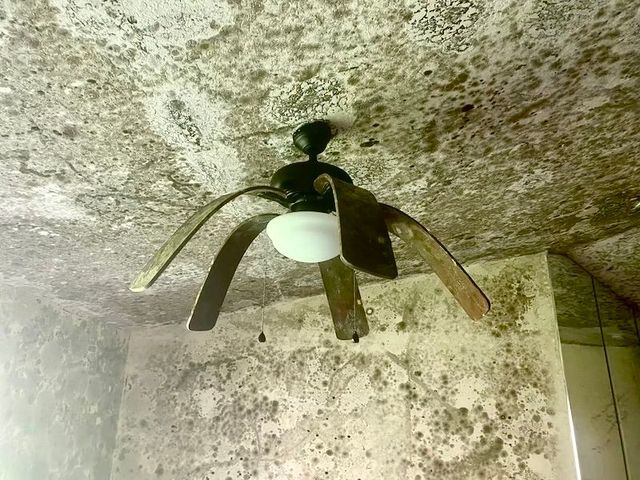
Water damage is one of the most common problems affecting homes in Cocoa Beach. Whether caused by hurricanes, heavy seasonal rains, plumbing failures, or roof leaks, moisture often remains hidden long after the visible water disappears. Over time, this trapped moisture can lead to mold growth that quietly spreads throughout the home.
Many homeowners assume mold becomes visible immediately after flooding, but the reality is that mold often grows out of sight first. By the time strong odors or stains appear, damage may already be widespread.
Understanding early warning signs and the importance of professional mold inspection helps Cocoa Beach homeowners prevent long-term damage and maintain safer living environments after water intrusion.
What Mold Growth After Water Damage Looks Like
Mold thrives in damp environments, especially where organic materials such as drywall, wood, carpet, or insulation remain wet. After water damage, these materials often stay moist even when surfaces appear dry.
In Cocoa Beach homes, mold commonly develops in:
- Walls and ceilings after roof leaks
- Carpets and padding after flooding
- HVAC systems exposed to moisture
- Bathrooms with poor ventilation
- Kitchens and laundry rooms with leaks
- Crawl spaces and attics
Water damage may seem minor at first, but mold can begin growing within days if materials are not properly dried.
Why Mold Problems Are Common in Cocoa Beach
Coastal communities face ongoing moisture challenges. Cocoa Beach homes experience high humidity throughout the year, and hurricane season increases the risk of water intrusion.
Several factors make mold growth more likely:
- Tropical storms and hurricanes
- Wind-driven rain entering homes
- Flooding and storm surge
- High indoor humidity after power outages
- AC systems shutting down during storms
- Poor ventilation in older homes
When homes remain closed up during storms or evacuations, moisture becomes trapped indoors, creating ideal conditions for mold growth.
Homes in nearby areas like Satellite Beach, Merritt Island, Melbourne, and Rockledge face similar post-storm moisture problems.
Warning Signs Homeowners Should Not Ignore
Mold often begins hidden but produces warning signs before becoming visible. Homeowners who recognize early symptoms can address problems before major damage occurs.
Common warning signs include:
- Persistent musty or damp odors
- Dark spots on walls or ceilings
- Paint bubbling or peeling
- Warped baseboards or flooring
- Carpet discoloration after flooding
- Increased indoor humidity
- Allergy-like irritation indoors
- Condensation forming on windows
These symptoms may appear weeks after water damage, making them easy to overlook.
Hidden Areas Mold Commonly Develops
Visible mold is only part of the problem. Professional inspections frequently reveal mold growing in concealed areas.
Hidden mold sources include:
- Behind drywall affected by leaks
- Beneath water-damaged carpets
- Inside insulation
- HVAC air ducts
- Around AC drain lines
- Crawl spaces with poor airflow
- Attics with roof leaks
Hurricane-driven rain often enters roof or wall cavities without immediate detection, allowing mold to spread unseen.
Why DIY Mold Cleanup Often Falls Short
After water damage, homeowners often attempt cleanup themselves using household cleaning products or rented drying equipment. While this may remove surface moisture, deeper problems often remain.
DIY cleanup usually fails because:
- Moisture remains inside walls or floors
- Mold spores are not fully removed
- Cleaning spreads spores to other areas
- Drying equipment lacks sufficient power
- Hidden leaks remain unresolved
Without proper inspection and drying, mold often returns within weeks.
How Professional Mold Inspection Works
Professional mold inspection identifies both mold growth and the moisture source that caused it.
A thorough inspection typically includes:
- Moisture meter testing
- Thermal imaging to locate hidden damp areas
- HVAC and duct inspections
- Attic and crawl space evaluation
- Leak detection analysis
- Air or surface sampling when needed
Inspection findings help homeowners understand the extent of contamination and determine the proper remediation approach.
Companies experienced in Brevard County conditions, including Palm Bay Mold Removal, understand how coastal moisture affects homes and can locate hidden risks more effectively.
Proper Mold Removal and Remediation Process
Once mold is identified, remediation focuses on safely removing contamination and preventing future growth.
The remediation process often includes:
- Containment of affected areas
- Removal of contaminated materials
- Professional antimicrobial cleaning
- Structural drying and dehumidification
- Correction of moisture sources
- Post-cleanup verification
Removing mold without correcting moisture issues usually leads to recurring problems.
Flood Restoration and Water Damage Repair
After hurricanes or indoor flooding, water damage restoration becomes essential to prevent mold growth.
Flood restoration commonly includes:
- Emergency water extraction
- Structural drying
- Carpet and flooring treatment
- Insulation drying or replacement
- Wall cavity drying
- Odor control and sanitization
Homes throughout Cocoa Beach frequently require restoration after storms, especially in low-lying neighborhoods.
Quick response greatly reduces long-term repair costs.
The Role of HVAC Systems and Air Ducts
HVAC systems often contribute to mold problems if moisture enters ducts or air handlers.
Warning signs of HVAC-related mold include:
- Musty smells when AC runs
- Excess dust near vents
- High indoor humidity
- Uneven cooling
- Condensation around vents
Air duct cleaning and AC moisture repairs are often necessary after storm-related water damage.
Preventing Mold After Future Water Damage
Prevention steps can greatly reduce mold risks in coastal homes.
Helpful strategies include:
- Inspect roofs and windows regularly
- Maintain gutters and drainage systems
- Service AC systems annually
- Improve ventilation in bathrooms and kitchens
- Use dehumidifiers during humid seasons
- Schedule inspections after storms
- Address leaks immediately
Homes that dry quickly after water exposure experience far fewer mold problems.
Why Local Experience Matters
Coastal Florida homes face different challenges than inland properties. Salt air, storm exposure, and high humidity all influence how moisture behaves indoors.
Professionals familiar with Cocoa Beach construction and weather patterns can detect hidden risks faster and recommend appropriate solutions.
Palm Bay Mold Removal serves Cocoa Beach and surrounding communities with restoration practices designed specifically for Florida’s climate.
A Smart Next Step After Water Damage
If your home recently experienced flooding, leaks, or lingering dampness, scheduling a professional mold inspection can help prevent serious long-term problems.
Early detection and remediation protect property value, improve comfort, and help homeowners avoid repeated repairs.
Addressing moisture issues quickly keeps Cocoa Beach homes safer and more resilient after storms and water damage events.