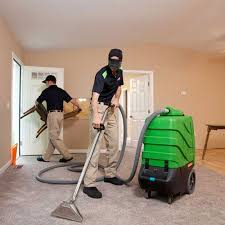
Carpet Cleaning After Flooding Services in Rockledge After Water Damage: Professional Tips for Property Owners
Flooding and water damage in Rockledge, Florida homes can severely impact carpets, rugs, and flooring. Standing water or persistent dampness creates an environment for mold, mildew, and bacteria, which can compromise indoor air quality, structural integrity, and occupant health.
For property owners, professional carpet cleaning after flooding is a crucial step in restoring a home and preventing long-term damage. This guide provides tips, processes, and preventive strategies to protect carpets and ensure safety after water damage.
Why Carpet Cleaning Is Critical After Flooding
- Prevents Mold and Mildew
- Carpets can trap water in fibers and padding, creating a breeding ground for microbial growth within 24–48 hours.
- Protects Health
- Floodwater often contains bacteria, viruses, and allergens, which can pose serious health risks if left untreated.
- Preserves Property Value
- Timely cleaning and restoration prevent permanent stains, odors, and fiber damage.
- Maintains Indoor Air Quality
- Damp or dirty carpets can release spores and particles into the air, affecting breathing and comfort.
- Reduces Repair Costs
- Early intervention minimizes the need for floor replacement or structural repair due to water damage.
Common Causes of Carpet Water Damage in Rockledge Homes
- Flooding from Storms or Hurricanes
- Heavy rainfall can lead to water intrusion through doors, windows, or basements.
- Plumbing Leaks
- Burst pipes, leaking faucets, or appliances can saturate carpets in short order.
- Roof Leaks
- Water entering through damaged roofs can soak carpets in upper or lower floors.
- High Humidity
- Coastal humidity accelerates moisture retention and microbial growth in carpeting.
- Neglected Drainage or Flood Prevention
- Poor grading or clogged gutters can cause water accumulation inside the home.
Early Warning Signs Your Carpets Need Professional Cleaning
- Persistent Dampness or Odors
- Musty or moldy smells indicate trapped moisture and potential microbial growth.
- Visible Stains or Discoloration
- Floodwater often leaves silt, mud, or contaminants on fibers.
- Warped or Soft Flooring
- Waterlogged padding or carpet may feel spongy or uneven.
- Health Symptoms
- Increased allergies, coughing, or respiratory issues among occupants.
- Discoloration or Damage to Flooring Edges
- Delamination, bubbling, or separation from subflooring signals prolonged moisture exposure.
Step-by-Step Carpet Cleaning Process After Flooding
Step 1: Safety and Assessment
- Turn off electricity in affected areas to prevent hazards.
- Assess the extent of water damage, moisture levels, and potential microbial contamination.
Step 2: Water Extraction
- Use industrial wet/dry vacuums, pumps, and extractors to remove standing water from carpets and padding.
Step 3: Drying
- Deploy air movers, fans, and dehumidifiers to thoroughly dry carpets, padding, and subflooring.
- Ensure moisture is removed from seams and under edges to prevent mold.
Step 4: Cleaning and Sanitization
- Clean carpets with hot water extraction, steam cleaning, or specialized flood restoration chemicals.
- Apply antimicrobial treatments to inhibit mold and bacterial growth.
Step 5: Inspection and Repairs
- Check carpet fibers, padding, and tack strips for damage.
- Replace padding if it cannot be adequately dried.
Step 6: Odor Removal
- Use deodorizers or ozone treatments to eliminate musty odors from damp carpets.
Step 7: Preventive Maintenance
- Consider professional sealants or protective coatings for high-risk areas.
- Schedule routine cleaning to maintain carpet health and prevent future water damage issues.
Professional Tips for Property Owners
- Act Quickly
- Begin water extraction within 24–48 hours to prevent mold growth.
- Hire Certified Technicians
- Use professionals experienced in flood restoration and carpet cleaning for safe and effective results.
- Inspect HVAC Systems
- Damp carpets can affect air quality, so check ducts and filters for moisture contamination.
- Avoid DIY Saturated Carpet Cleaning
- Attempting to dry waterlogged carpets with household fans may not remove hidden moisture, increasing mold risk.
- Monitor Humidity Levels
- Maintain indoor humidity below 60% to prevent residual moisture problems.
- Document Damage
- Take photos and notes for insurance claims related to flooding or plumbing leaks.
- Check Subflooring
- Ensure padding, tack strips, and underlying flooring are dry and free from damage.
Benefits of Professional Carpet Cleaning After Flooding
- Health Protection
- Eliminates bacteria, mold, and allergens to create a safe environment.
- Improved Indoor Air Quality
- Prevents spores and particles from circulating through the home.
- Enhanced Appearance
- Restores carpet fibers and colors, maintaining aesthetics and comfort.
- Structural Preservation
- Protects subflooring and prevents long-term damage to flooring systems.
- Peace of Mind
- Homeowners know carpets and living spaces are restored and safe.
Conclusion
Flooding and water damage in Rockledge homes can have serious consequences for carpets and indoor air quality. Early signs like dampness, odors, or visible stains should prompt immediate professional intervention.
A thorough carpet cleaning process—including water extraction, drying, sanitization, and odor removal—helps restore carpets, protect health, and prevent mold growth. By following professional tips and preventive measures, property owners can safeguard their homes, improve indoor air quality, and minimize long-term damage after water-related incidents.