
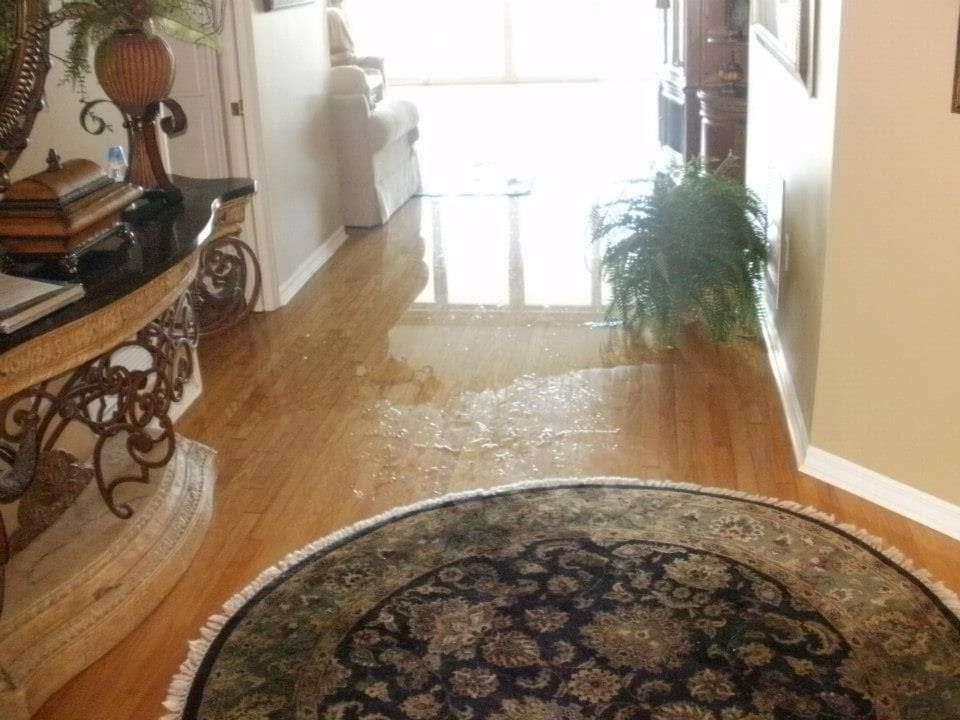
Carpet Cleaning After Flooding Services in Palm Bay after Water Damage: Costs, Causes, and Solutions
Flooding inside a home is one of the most stressful events homeowners in Palm Bay experience. Whether caused by storms, plumbing failures, appliance leaks, or AC condensation issues, indoor flooding often leaves carpets and flooring heavily affected.
Carpet may appear to dry on the surface, but moisture often remains trapped underneath. Without proper cleaning and drying, lingering moisture can lead to odors, mold growth, and structural damage.
Understanding the causes of carpet flooding, the costs involved in restoration, and the professional solutions available helps homeowners make informed decisions after water damage occurs.
How Carpet Flooding Happens in Palm Bay Homes
Carpet flooding does not always result from major storms. Many homes experience water damage from everyday household problems.
Common causes include:
• Heavy rains and storm intrusion
• Roof leaks during rainy season
• Plumbing leaks or pipe failures
• Overflowing appliances such as washing machines
• Broken water heaters
• AC condensation leaks or clogged drain lines
Because Palm Bay experiences high humidity and seasonal storms, even minor leaks can spread quickly across flooring, soaking carpets and padding.
Water spreads easily across flat floors, and carpet fibers absorb moisture rapidly.
Why Flooded Carpets Are a Serious Concern
Carpets act like large sponges. Once soaked, water moves quickly through carpet fibers into padding and eventually into subfloors.
Problems that follow flooding include:
• Persistent musty odors
• Mold growth under carpets
• Warped subfloors
• Damage to baseboards and walls
• Contaminated indoor air
Even when carpet surfaces feel dry, padding underneath may still hold moisture, allowing mold to develop unseen.
Florida’s warm climate accelerates mold growth, making quick drying essential.
Why Water Damage Is Common in Palm Bay
Palm Bay and nearby communities such as Melbourne, West Melbourne, and Rockledge experience weather patterns that increase indoor flooding risks.
Local conditions contributing to water damage include:
• Heavy summer rainstorms
• Hurricane-season flooding
• High humidity slowing drying
• Older plumbing systems in some neighborhoods
• Homes built on slab foundations
Moisture has fewer escape routes in slab foundation homes, allowing water to remain trapped beneath flooring longer.
Homes near Merritt Island and Satellite Beach also experience slower drying due to coastal humidity.
Warning Signs Carpets Were Damaged by Flooding
Flood damage is sometimes obvious, but often the warning signs develop slowly.
Common signs include:
• Damp or squishy carpet areas
• Carpet discoloration or stains
• Persistent odors after flooding
• Mold growth along baseboards
• Warping or soft spots in flooring
• Increased humidity inside the home
If carpet padding remains wet, odors and mold often appear weeks later.
Hidden Damage Beneath Flooded Carpets
Most carpet damage occurs where homeowners cannot see it.
Hidden problems commonly include:
• Wet carpet padding
• Moisture trapped in wooden subfloors
• Mold forming beneath flooring
• Baseboard and wall moisture damage
• Furniture damage from prolonged dampness
Even if carpet surfaces dry naturally, underlying materials often remain wet.
Professional moisture detection is necessary to ensure proper drying.
Understanding Carpet Cleaning Costs After Flooding
Costs for carpet restoration vary depending on damage severity and how long moisture remains.
Factors affecting cost include:
• Size of the affected area
• Type of water involved (clean, gray, or contaminated)
• Length of time carpet remained wet
• Need for padding replacement
• Extent of structural drying required
• Mold growth presence
Minor incidents caught early may only require cleaning and drying, while severe flooding may require removal and replacement of padding or flooring.
Quick response helps reduce overall restoration costs.
Why DIY Carpet Cleanup Often Fails
After flooding, homeowners often try drying carpets using fans or household wet vacuums. While this helps remove some surface water, it rarely solves deeper moisture problems.
DIY methods typically fail because:
• Household equipment cannot remove deep moisture
• Padding remains saturated
• Subfloors stay damp
• Humid air slows drying
• Mold growth begins unseen
Without professional drying, odors and mold frequently return.
How Professional Carpet Cleaning Services Work
Professional restoration teams use specialized equipment designed for rapid water removal and structural drying.
The process usually includes:
• Moisture detection to determine saturation levels
• High-powered water extraction
• Carpet lifting to dry padding and subfloors
• Removal of damaged padding when needed
• Industrial air movers and dehumidifiers
• Cleaning and sanitizing carpet fibers
• Final moisture verification
This ensures both visible and hidden moisture are eliminated.
Step-by-Step Carpet Restoration Process
Professionals follow a structured approach after flooding.
Step 1: Water Source Correction
Technicians ensure leaks or flooding sources are stopped before restoration begins.
Step 2: Water Extraction
Powerful extraction equipment removes standing water from carpets and flooring.
Step 3: Padding Inspection and Removal
Severely saturated padding is often removed since it traps moisture easily.
Step 4: Structural Drying
Air movers and dehumidifiers dry subfloors and surrounding materials.
Step 5: Carpet Cleaning and Treatment
Professional cleaning removes contaminants and odors.
Step 6: Moisture Verification
Final testing confirms complete drying before restoration concludes.
Mold Risks After Carpet Flooding
Mold growth is one of the biggest concerns after indoor flooding.
Mold develops when:
• Moisture remains present
• Temperatures remain warm
• Organic materials are available
• Airflow is limited
Carpet padding and subfloors provide ideal mold environments if drying is delayed.
Early professional intervention prevents mold problems.
HVAC Systems and Flood Damage
Water damage near HVAC systems can spread moisture through ductwork and air handlers.
Signs HVAC systems may be affected include:
• Musty odors when AC operates
• Increased indoor humidity
• Mold near vents
• Dust accumulation
Inspection may include HVAC components if flooding occurs nearby.
Preventing Future Carpet Flood Damage
Homeowners in Palm Bay can reduce future risks with proactive maintenance.
Helpful steps include:
• Scheduling plumbing inspections regularly
• Cleaning AC drain lines routinely
• Installing leak detection devices
• Inspecting roofs before rainy season
• Maintaining gutters and drainage systems
• Monitoring indoor humidity levels
Early intervention prevents flooding from becoming severe.
Why Local Experience Matters
Homes across Palm Bay and surrounding Brevard County communities experience moisture differently depending on construction style and location. Professionals familiar with local conditions understand common moisture pathways and drying challenges.
Many homeowners rely on experienced local providers like Palm Bay Mold Removal because local knowledge helps ensure accurate inspections and effective restoration solutions.
Local experience allows technicians to address root causes rather than temporary fixes.
Protecting Your Home After Flooding
Flooded carpets are more than an inconvenience. Hidden moisture can quickly lead to mold growth and structural damage if not properly handled.
Scheduling professional carpet cleaning and drying after flooding ensures moisture is removed completely and prevents long-term damage. Proper restoration protects indoor air quality and helps maintain home value.
Acting quickly helps Palm Bay homeowners restore comfort and safety while preventing small water damage incidents from becoming costly repair projects later.