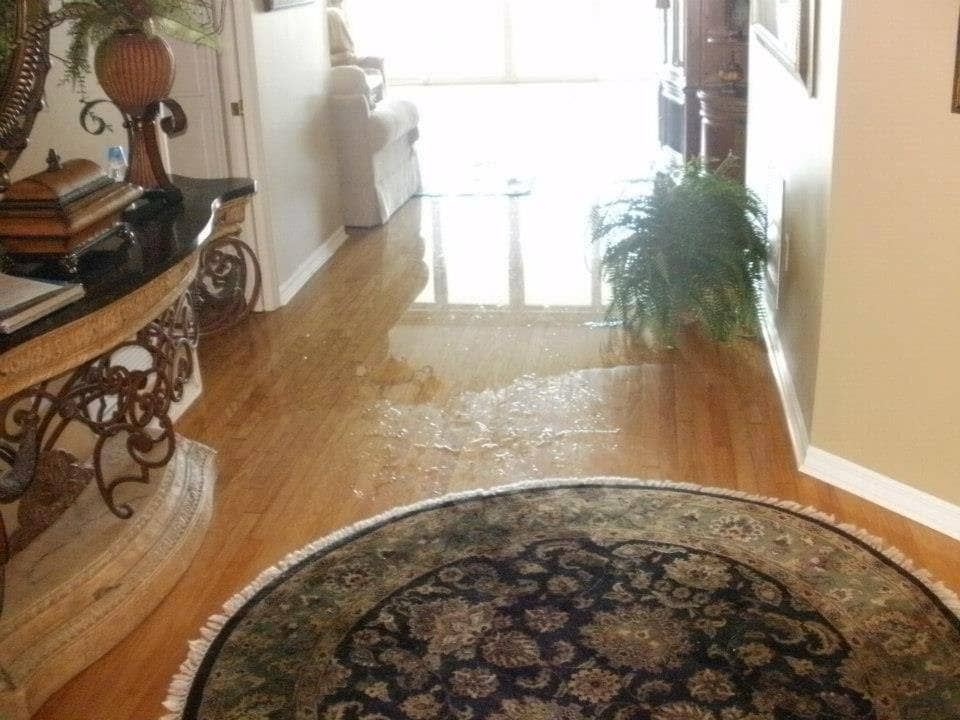
Carpet Cleaning After Flooding Services in Merritt Island After Storm Damage: How to Prevent Future Damage
Storm damage is a common concern for homeowners in Merritt Island. Heavy rains, wind-driven water, and occasional tropical systems can allow moisture to enter homes quickly. One of the first areas affected after storm-related flooding is carpeting. Carpet fibers and padding absorb water rapidly, and without proper cleaning and drying, moisture can remain trapped, creating odors, stains, and conditions that allow mold to develop.
Understanding how carpet cleaning services work after flooding—and how homeowners can prevent future damage—helps protect flooring, indoor air quality, and long-term property value.
Why Carpets Are Especially Affected After Storm Damage
Carpets are designed to be soft and absorbent, which makes them comfortable but also vulnerable to water damage. When stormwater enters a home, carpets and padding can become saturated within minutes.
Flood-damaged carpets may lead to:
- Persistent damp odors
- Mold growth beneath the surface
- Staining and discoloration
- Damage to subflooring
- Increased indoor humidity
Because Merritt Island’s climate is warm and humid, moisture trapped in carpets often dries slowly without professional equipment.
Why Storm-Related Flooding Is Common in Merritt Island
Coastal communities like Merritt Island experience environmental conditions that increase the likelihood of flooding and moisture problems.
Several local factors contribute:
- Heavy seasonal rainstorms
- Wind-driven rain entering through small openings
- High humidity slowing drying
- Storm surge or poor drainage in low-lying areas
- Roof or window leaks during severe weather
Homes in nearby areas such as Cocoa Beach, Titusville, and Rockledge often experience similar storm-related moisture issues.
Early Signs Carpets Need Professional Cleaning
After storm damage, not all carpet problems are obvious right away. Some symptoms develop gradually as moisture remains trapped beneath the surface.
Homeowners should watch for:
- Damp or musty odors
- Carpet feeling cool or slightly damp
- Darkened or discolored areas
- Increased humidity indoors
- Soft or warped flooring near carpet edges
These signs often indicate moisture below the carpet or padding.
Hidden Damage Beneath Flooded Carpets
One of the biggest concerns after flooding is hidden moisture. Carpet padding and subfloors can hold water long after the surface appears dry.
Hidden problems may include:
- Mold developing under carpet padding
- Warping of wooden subfloors
- Moisture spreading into walls and baseboards
- Odors caused by bacteria or mildew
Because these issues are not visible, inspection and moisture detection are important after storm-related flooding.
How Professional Carpet Cleaning After Flooding Works
Carpet cleaning after storm damage involves more than standard cleaning. The process focuses on removing moisture, cleaning fibers, and restoring safe indoor conditions.
Typical steps include:
- Inspecting affected areas and measuring moisture levels
- Extracting standing water using specialized equipment
- Removing or lifting saturated padding if necessary
- Cleaning and sanitizing carpet fibers
- Using air movers and dehumidifiers for drying
- Monitoring moisture levels until drying is complete
Professionals familiar with local conditions, such as teams working with Palm Bay Mold Removal, often focus on identifying moisture sources and ensuring carpets are fully dry to prevent mold growth.
Structural Drying and Restoration
After carpet cleaning, structural drying ensures that nearby materials are also dry. Floodwater often spreads into walls, baseboards, and flooring materials.
Structural drying may involve:
- Air movers to increase evaporation
- Dehumidifiers to control humidity
- Moisture monitoring
- Minor repairs if materials were damaged
Proper drying is essential in humid coastal climates where moisture tends to linger.
HVAC Systems and Indoor Moisture After Storm Damage
Air-conditioning systems play an important role in controlling humidity after flooding. However, if ducts or air handlers become wet, they can contribute to moisture problems.
Common HVAC-related concerns include:
- Wet duct insulation
- Clogged condensate drains
- Reduced airflow
- Increased humidity levels
Routine HVAC inspections help ensure systems support drying rather than contributing to moisture buildup.
Costs: What Influences Carpet Cleaning After Flooding
The cost of carpet cleaning and drying varies depending on several factors. Understanding these factors helps homeowners plan appropriately.
Key cost factors include:
- Size of the affected area
- Depth of water saturation
- Condition of carpet and padding
- Drying time required
- Repairs needed after drying
Addressing flooding quickly often reduces restoration costs significantly.
How to Prevent Future Carpet Damage After Storms
Preventive maintenance is one of the most effective ways to reduce the risk of flood-related carpet damage in coastal homes.
Helpful prevention tips include:
- Inspect roofs and gutters regularly
- Seal windows and doors properly
- Ensure proper drainage around the home
- Repair small leaks immediately
- Maintain HVAC systems to control humidity
These steps help reduce moisture intrusion and improve indoor air conditions.
Additional Steps to Protect Flooring and Interiors
Homeowners can also take practical steps to reduce long-term risk:
- Use moisture barriers in vulnerable areas
- Keep furniture slightly elevated in flood-prone rooms
- Monitor indoor humidity during storm season
- Schedule periodic inspections of attics and crawl spaces
Simple precautions can significantly reduce future damage.
Why Local Experience Matters
Homes in Merritt Island are affected by coastal humidity, heavy storms, and prolonged AC use. Professionals who regularly work in Brevard County understand how moisture behaves in local construction materials and ventilation systems.
Local experience helps technicians:
- Identify common storm-related damage patterns
- Recommend effective drying methods
- Recognize seasonal humidity risks
This knowledge often leads to faster restoration and better long-term results.
A Practical Next Step for Homeowners
Storm-related flooding can be stressful, but acting quickly helps prevent larger problems. Professional carpet cleaning after flooding removes moisture, restores indoor comfort, and helps prevent mold growth.
For homeowners in Merritt Island, regular maintenance, prompt inspections, and proper ventilation remain the most effective ways to prevent future damage and protect long-term property value.