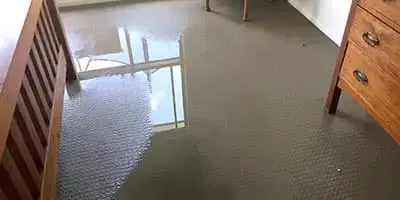
Carpet Cleaning After Flooding Services in Melbourne in Residential Homes: Step-by-Step Process Explained
Flooding can affect many parts of a home, but carpets are often one of the most heavily impacted materials. In Melbourne and surrounding Brevard County communities, heavy rains, plumbing failures, and storm-related water intrusion can quickly soak carpets and padding. Because carpet fibers and underlying materials absorb water rapidly, proper cleaning and drying are essential to prevent odors, mold growth, and structural damage.
Understanding how professional carpet cleaning after flooding works helps homeowners respond quickly and restore their homes safely.
Why Carpets Are Especially Vulnerable After Flooding
Carpets are made from fibers designed to hold texture and softness, but these same qualities allow them to absorb and retain water. Beneath the carpet, padding and subflooring can hold moisture long after the surface appears dry.
Flood-damaged carpets may lead to:
- Mold growth in padding or subflooring
- Persistent musty odors
- Bacteria or contaminants trapped in fibers
- Staining or discoloration
- Damage to flooring beneath the carpet
Because Florida’s humidity slows drying, flooded carpets should always be inspected and treated promptly.
Why Flooding Is a Common Issue in Melbourne Homes
Melbourne experiences frequent summer storms, heavy rainfall, and high humidity. These conditions increase the likelihood of water entering homes, especially during hurricane season or prolonged rainy periods.
Common causes of flooding in residential homes include:
- Roof leaks during storms
- Plumbing failures or burst pipes
- Overflowing appliances
- Blocked gutters or drainage issues
- AC condensation or drainage problems
Homes in nearby areas such as Palm Bay, West Melbourne, and Rockledge often experience similar water-related issues, particularly during humid months.
Early Signs Carpet Cleaning May Be Necessary
After flooding or water intrusion, some damage is obvious, but other problems develop gradually. Homeowners should watch for signs that carpets require professional cleaning or drying.
Common warning signs include:
- Damp or musty odors
- Carpet fibers feeling stiff or matted
- Discoloration or staining
- Increased indoor humidity
- Persistent dampness near walls or baseboards
These symptoms often indicate moisture trapped below the surface.
Step 1: Inspection and Damage Assessment
The first step in professional carpet cleaning after flooding is a detailed inspection. Technicians assess the extent of water saturation, determine the type of water involved, and identify areas requiring drying or repair.
During inspection, technicians typically:
- Check carpet fibers and padding
- Measure moisture levels in subflooring
- Inspect nearby walls and baseboards
- Identify potential mold risks
Professionals familiar with local conditions, such as teams working with Palm Bay Mold Removal, often focus on identifying hidden moisture that may not be visible on the surface.
Step 2: Water Extraction
Once the inspection is complete, the next step is removing as much water as possible. Specialized extraction equipment removes large amounts of water quickly, preventing further absorption into building materials.
Water extraction helps:
- Reduce drying time
- Prevent mold growth
- Minimize structural damage
- Improve indoor air quality
Prompt extraction is one of the most important steps in the restoration process.
Step 3: Removing or Treating Carpet Padding
In many cases, carpet padding becomes saturated and may require removal. Padding holds water more easily than carpet fibers and can remain wet long after the surface appears dry.
Depending on the extent of damage, technicians may:
- Remove and replace padding
- Lift carpets for drying
- Clean and sanitize reusable materials
This step ensures moisture does not remain trapped beneath the carpet.
Step 4: Cleaning and Sanitizing the Carpet
After extraction, carpets are thoroughly cleaned to remove contaminants, odors, and residues left behind by floodwater.
Cleaning methods may include:
- Hot water extraction
- Antimicrobial treatments
- Deodorizing treatments
Proper cleaning helps restore carpet fibers and improves indoor air quality.
Step 5: Structural Drying
Drying is a critical part of the restoration process. Air movers and dehumidifiers are placed strategically to remove moisture from carpets, padding, and surrounding materials.
Structural drying involves:
- Circulating air to increase evaporation
- Reducing humidity levels
- Monitoring moisture daily
Because Florida’s humidity slows natural drying, professional equipment is essential for thorough results.
Step 6: Moisture Monitoring and Final Inspection
Drying continues until moisture levels return to safe levels. Technicians use moisture meters and other tools to confirm that carpets, subfloors, and nearby materials are fully dry.
Final inspections help ensure:
- No hidden moisture remains
- Carpets are safe to use
- Odors and contaminants are removed
This step helps prevent future mold growth and recurring damage.
Hidden Damage That May Appear After Flooding
Flooding can affect more than just carpets. Moisture may spread into walls, insulation, and flooring materials surrounding the affected area.
Common hidden issues include:
- Mold developing under baseboards
- Warped subfloors
- Moisture trapped behind drywall
- HVAC ducts affected by humidity
A thorough inspection ensures these problems are addressed early.
Why DIY Carpet Cleaning After Flooding Often Fails
Homeowners sometimes attempt to dry carpets using household fans or rental equipment. While this may remove some surface moisture, deeper layers often remain wet.
DIY cleaning often falls short because:
- Padding remains damp
- Humidity remains high
- Drying is uneven
- Mold develops in hidden areas
Professional equipment is designed to remove moisture thoroughly and safely.
Costs: What Influences Carpet Cleaning After Flooding
Costs vary depending on the extent of damage and the size of the affected area. Several factors commonly affect pricing.
These include:
- Size of the flooded area
- Depth of water saturation
- Condition of carpet and padding
- Drying time required
- Repairs needed after drying
Addressing flooding quickly often reduces overall restoration costs.
HVAC Systems and Indoor Moisture After Flooding
Air-conditioning systems can help control humidity during drying, but they must be inspected to ensure they are not contributing to moisture problems.
Common HVAC-related concerns include:
- Wet duct insulation
- Clogged condensate drains
- Reduced airflow
- Increased indoor humidity
Routine inspections help ensure the HVAC system supports proper drying.
Preventing Carpet Damage in the Future
Preventive maintenance can significantly reduce the risk of flood-related carpet damage.
Helpful steps include:
- Inspect roofs and plumbing regularly
- Maintain gutters and drainage systems
- Replace aging appliance hoses
- Monitor indoor humidity levels
- Respond quickly to leaks or spills
Prompt attention to small issues often prevents major restoration work later.
Why Local Experience Matters
Homes in Melbourne face environmental conditions that differ from many other regions. High humidity, coastal weather, and heavy seasonal rainfall all affect how moisture behaves inside buildings.
Professionals familiar with Brevard County understand:
- Typical storm-related damage patterns
- Common ventilation issues
- Effective drying methods for Florida climates
This experience often leads to faster restoration and better long-term results.
A Practical Next Step for Homeowners
Flooding can be stressful, but taking prompt action makes a significant difference. Professional carpet cleaning after flooding helps remove moisture, prevent mold growth, and restore comfortable living conditions.
By responding quickly, scheduling inspections when needed, and maintaining plumbing and roofing systems, homeowners in Melbourne can protect their homes and avoid long-term damage. Staying proactive is one of the most effective ways to preserve both indoor comfort and property value.