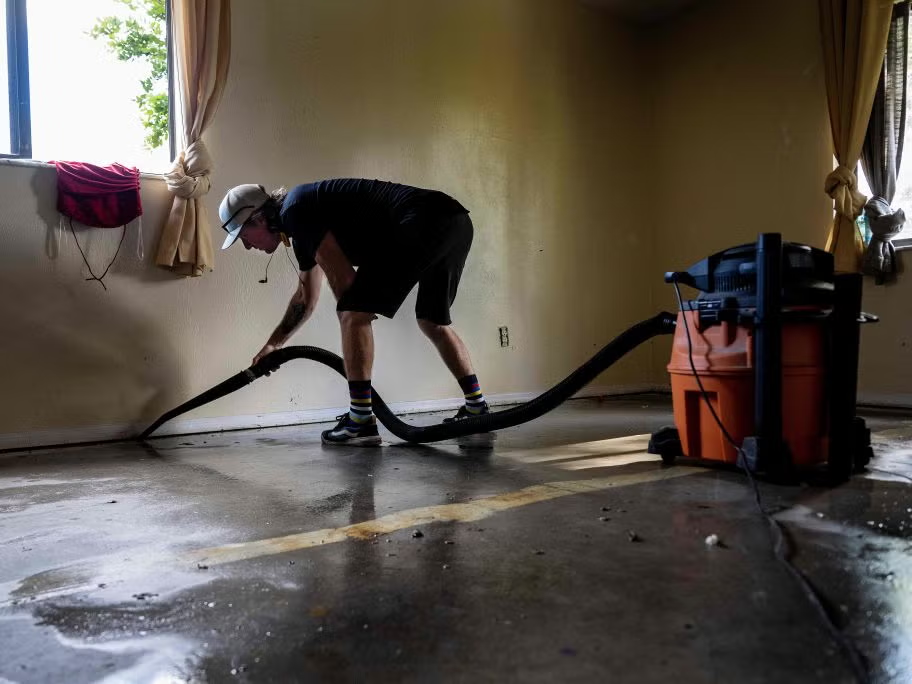
Carpet Cleaning After Flooding in Satellite Beach in Older Homes: Professional Tips for Property Owners
Flooding can cause serious damage in older homes, especially in coastal communities like Satellite Beach. Heavy rains, plumbing leaks, and storm surge can quickly soak carpeting, padding, and subfloors. In older homes, materials may absorb water more quickly and take longer to dry, which increases the risk of odors, structural damage, and mold growth.
Carpet cleaning after flooding is an important step in restoring a property and preventing long-term problems. For property owners, understanding how flooding affects carpets—and how professional cleaning and drying work—can help protect flooring and maintain indoor air quality.
How Flooding Affects Carpets in Older Homes
Carpet and padding act like a sponge. When water enters a home, these materials absorb moisture rapidly. In older homes, the situation can be more complicated because subfloors, baseboards, and structural materials may also absorb water.
Floodwater may contain dirt, organic material, and contaminants that settle deep into carpet fibers. Even when the surface appears dry, moisture can remain trapped in:
- Carpet padding
- Wooden subfloors
- Concrete slabs
- Baseboards and wall edges
Without proper drying and cleaning, these areas can remain damp for days or weeks.
Why Older Homes in Satellite Beach Are More Vulnerable
Older homes often have characteristics that increase the risk of water damage and slow drying.
Aging building materials
Older insulation, flooring, and subfloors may absorb moisture more easily.
Limited ventilation
Some older properties lack modern airflow systems that help dry damp areas.
Coastal humidity
Satellite Beach experiences high humidity levels year-round, slowing evaporation.
Storm exposure
Coastal storms and heavy rainfall increase the likelihood of flooding and water intrusion.
Because of these factors, prompt carpet cleaning and drying are especially important after flooding.
Early Signs Carpets Need Immediate Attention
Property owners should act quickly when they notice signs of water damage. Early indicators include:
- Damp or soggy carpeting
- Musty or earthy odors
- Dark or uneven discoloration
- Padding that feels soft underfoot
- Increased indoor humidity
Even minor dampness can lead to mold growth if not addressed quickly.
Hidden Moisture Beneath Carpets
One of the biggest challenges after flooding is moisture that remains hidden beneath carpet layers. Water often spreads beyond the visible wet area and collects in places such as:
- Carpet padding
- Subfloor seams
- Baseboard edges
- Wall cavities near flooring
Moisture detection tools are often needed to determine how far water has spread and which materials are affected.
Why DIY Carpet Cleaning Often Falls Short
Some property owners attempt to clean carpets using household equipment or rental machines. While these methods may remove surface dirt, they rarely remove moisture deep in padding or subfloors.
DIY cleaning often falls short because:
- Household extractors lack sufficient suction power
- Padding may remain saturated
- Drying may be incomplete in humid conditions
- Odors and microbial growth may return
Professional equipment is designed to remove water more effectively and dry materials thoroughly.
Professional Inspection and Moisture Detection
Before cleaning begins, a professional inspection helps determine the extent of water damage.
A thorough inspection may include:
Moisture meter testing
Measures moisture levels in carpet, padding, and flooring.
Thermal imaging
Helps locate hidden moisture beneath surfaces.
Humidity measurement
Evaluates indoor conditions that may slow drying.
Professionals familiar with Brevard County homes understand how coastal humidity affects drying times. Teams such as Palm Bay Mold Removal often use moisture detection to ensure hidden damp areas are identified before cleaning begins.
The Carpet Cleaning and Drying Process
Professional carpet cleaning after flooding follows a structured process designed to restore materials safely.
Step 1: Water Extraction
High-capacity extraction equipment removes standing water from carpet fibers and padding.
Step 2: Removal of Saturated Padding (When Necessary)
Heavily soaked padding may be removed to allow proper drying of subfloors.
Step 3: Cleaning and Sanitizing
Carpet fibers are cleaned to remove contaminants and residues left by floodwater.
Step 4: Drying and Dehumidification
Air movers and dehumidifiers reduce moisture levels in both carpet and surrounding materials.
Step 5: Moisture Verification
Moisture readings confirm that drying is complete before restoration is finished.
This process helps prevent odors, mold growth, and long-term flooring damage.
Repairs That May Be Needed After Flooding
Flooding in older homes sometimes affects more than carpeting. Restoration may include:
- Replacing damaged drywall near flooring
- Repairing or replacing baseboards
- Drying or replacing subfloor sections
- Improving ventilation in affected rooms
Addressing these issues prevents moisture from returning and supports long-term structural stability.
HVAC Systems and Indoor Air Quality
After flooding, HVAC systems can influence drying and indoor air quality. Moisture in ducts or around air handlers may circulate damp air, slowing drying.
Technicians often inspect:
- Air ducts and insulation
- Filters and vents
- Condensation lines
- Airflow patterns
Regular HVAC maintenance and air duct cleaning help improve airflow and reduce humidity.
Professional Tips for Property Owners
Property owners in Satellite Beach can reduce the impact of flooding by following several practical tips:
Respond quickly
Water removal and drying should begin as soon as possible.
Inspect hidden areas
Check baseboards, closets, and corners for signs of moisture.
Monitor humidity levels
Keeping humidity under control helps prevent mold.
Schedule periodic inspections
Routine moisture checks help identify small problems early.
Maintain roofing and drainage systems
Preventive maintenance reduces future flood risks.
These steps help protect both flooring and structural materials.
Preventing Future Carpet Damage
While flooding cannot always be avoided, several preventive measures can reduce the risk of serious damage:
- Keep gutters and drainage systems clear
- Inspect roofs regularly
- Seal gaps around windows and doors
- Ensure proper grading around the home
- Address plumbing leaks immediately
Homes in nearby areas such as Cocoa Beach, Merritt Island, and Melbourne often follow similar maintenance practices because climate conditions are consistent across the region.
Why Local Experience Matters
Carpet cleaning and water restoration in coastal Florida require an understanding of humidity, drying times, and building materials common in older homes. Moisture behaves differently in high-humidity environments than in dry climates.
Professionals familiar with Satellite Beach properties understand:
- Where water typically spreads after flooding
- How attic and crawl space humidity affects drying
- Which materials are most vulnerable
- How to prevent recurring moisture problems
Palm Bay Mold Removal and other experienced local providers often focus on both cleaning and moisture control, helping property owners achieve lasting results.
A Practical Approach for Property Owners
Flooding in older homes can be stressful, but prompt action makes a significant difference. Immediate water extraction, thorough drying, and proper carpet cleaning help prevent mold growth and structural damage.
For property owners in Satellite Beach, staying alert to early warning signs and scheduling inspections after flooding are the most effective ways to protect carpets, flooring, and indoor air quality. With proper restoration and preventive maintenance, most flood-related carpet damage can be resolved efficiently and prevented from returning.