Carpet Cleaning After Flooding in Rockledge in Coastal Homes: Step-by-Step Process Explained
Flooding is something many coastal homeowners in Rockledge unfortunately become familiar with. Between heavy rains, storm surge, plumbing failures, and AC condensation issues, water intrusion can happen quickly—and carpets are usually the first thing affected.
If you’ve ever walked onto a soaked carpet after a storm, you know the sinking feeling. The good news is that with the right process, flooded carpet can often be restored safely. Let’s walk through how the process works and what homeowners in Rockledge and nearby areas like Palm Bay, Satellite Beach, Melbourne, and Cocoa Beach should know.
What Carpet Flood Damage Really Means
When carpets get wet, the problem isn’t just surface moisture. Water travels fast into padding, subfloors, and sometimes even wall cavities. In coastal homes, humidity makes the situation worse because materials stay damp longer.
Floodwater may contain:
- Sand and debris
- Organic contaminants
- Salt residue in coastal neighborhoods
- Bacteria or mold spores
Even clean rainwater can quickly turn into a mold risk if drying is delayed beyond 24–48 hours.
Why Flooding Happens So Often in Rockledge Coastal Homes
Rockledge and surrounding Brevard County communities deal with environmental factors that make water damage more common than many homeowners expect.
Some of the most frequent causes include:
- Heavy seasonal storms
- Wind-driven rain entering through roof or window gaps
- Poor yard drainage near slab foundations
- AC drain line failures
- Humidity buildup in enclosed spaces
- Plumbing leaks that go unnoticed
Homes closer to waterways or low-lying coastal zones often experience slower drying times due to naturally higher humidity levels.
Common Signs Homeowners Notice After Flooding
Flood damage isn’t always obvious once water is removed. Carpets can appear dry on the surface but still hold moisture underneath.
Watch for:
- Musty or damp odors
- Carpet that feels cool or slightly wet underfoot
- Discoloration or water lines
- Wrinkling or buckling
- Increased humidity indoors
These signs often appear in Rockledge homes a day or two after water intrusion, especially during warm weather.
Hidden or Overlooked Sources of Moisture
One of the most common mistakes homeowners make is assuming that drying visible water is enough.
Moisture often remains in:
- Carpet padding
- Wooden subfloors
- Baseboards
- Air ducts near floor level
- Insulation behind walls
This is why professional moisture detection tools are so important. Without them, hidden damp areas can remain unnoticed until mold growth begins.
Why DIY Carpet Cleaning Usually Fails After Flooding
It’s understandable to want to handle things yourself. Many homeowners rent carpet cleaners or use fans and hope for the best.
Unfortunately, DIY drying rarely works after flooding because:
- Household equipment cannot extract deep moisture
- Padding underneath carpets stays wet
- Air circulation is usually insufficient
- Mold can begin forming in as little as 24–48 hours
We’ve seen many cases in Palm Bay and Rockledge where carpets looked dry on top but were saturated underneath days later.
Professional Mold Inspection and Testing Explained
After flooding, inspection is a critical step—not just cleaning.
A proper inspection typically includes:
- Moisture mapping of affected areas
- Infrared imaging to locate hidden dampness
- Humidity measurement
- Checking nearby walls and ducts
Testing may be recommended if:
- Water sat for more than 24 hours
- There is a musty odor
- Previous mold issues existed
This step helps prevent long-term problems that many homeowners never see coming.
The Proper Carpet Cleaning and Restoration Process
Carpet cleaning after flooding isn’t a single step—it’s a controlled process.
Step 1: Water Extraction
Industrial extractors remove as much water as possible from the carpet and padding.
Step 2: Padding Evaluation
In many cases, saturated padding must be removed because it holds moisture like a sponge.
Step 3: Deep Cleaning
Carpets are cleaned to remove contaminants, salt residue, and debris.
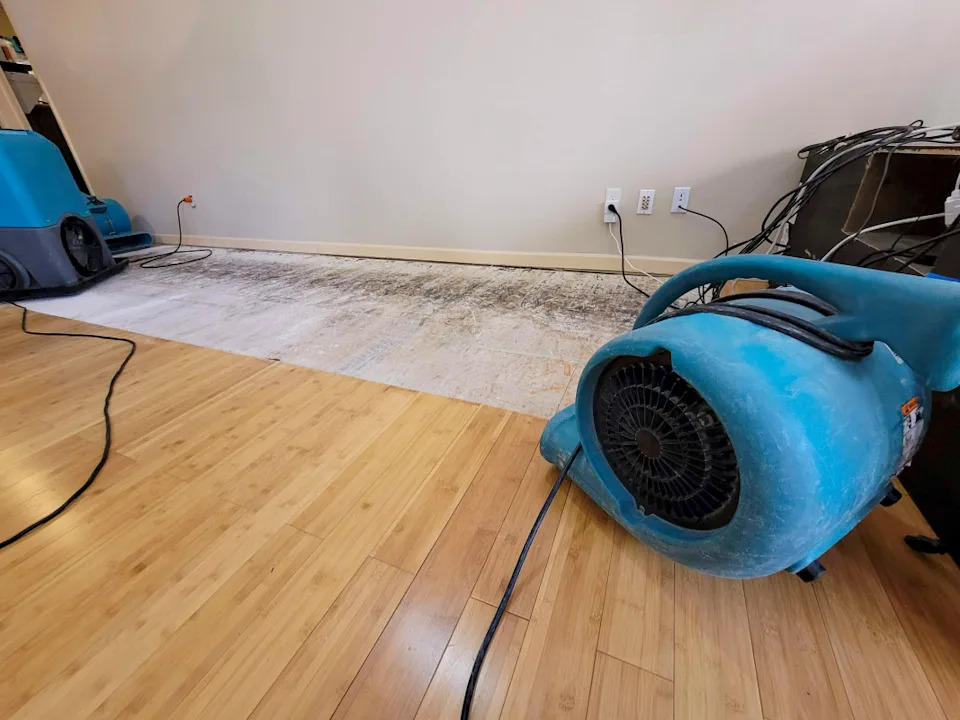
Step 4: Structural Drying
High-velocity air movers and dehumidifiers are used to dry:
- Subfloors
- Walls
- Remaining carpet fibers
Step 5: Moisture Verification
Final readings confirm that materials are dry before normal use resumes.
This step-by-step process is what prevents recurring mold issues.
Flood Restoration and Water Damage Repair
Sometimes flooding affects more than carpets. Baseboards, drywall, and flooring may also require repair.
Flood restoration can include:
- Removing damaged materials
- Drying structural components
- Treating surfaces to prevent mold growth
- Repairing affected sections of flooring or walls
Homes in coastal areas often need more thorough drying because salt air slows evaporation.
Air Ducts, AC Systems, and Mold Risk
One area homeowners rarely think about is the HVAC system. After flooding, moisture can enter ductwork—especially in systems installed near floors or crawl spaces.
If ducts stay damp, mold spores can circulate through the home.
Professionals often inspect:
- Air returns
- Supply vents
- Drain pans
- Evaporator coils
Air duct cleaning may be recommended if contamination is found.
How to Prevent Mold After Flooding
Prevention is always easier than remediation.
Practical steps include:
- Dry wet areas within 24 hours
- Use dehumidifiers during humid months
- Keep AC drain lines clean
- Check roofs and flashing annually
- Ensure proper yard drainage
In coastal communities like Satellite Beach and Cocoa Beach, controlling indoor humidity is one of the most effective prevention strategies.
Why Local Experience Matters
Flooding in Brevard County isn’t the same as flooding in inland areas. Coastal humidity, salt air, and seasonal storms create unique conditions.
A company familiar with local construction styles, weather patterns, and moisture behavior can make a significant difference in how thoroughly a home is restored.
Homeowners across Rockledge, Palm Bay, and nearby communities often rely on experienced local providers like Palm Bay Mold Removal because understanding local environmental conditions helps prevent recurring problems.
A Calm, Practical Next Step
Flood damage can feel overwhelming, but it’s manageable when handled correctly and quickly. The key is acting early, drying thoroughly, and inspecting carefully.
If your carpet has been affected by flooding, don’t rush to replace it—or assume it’s fine. A proper inspection and drying process can often restore materials safely and prevent long-term issues.
Homes in Rockledge and surrounding coastal areas face unique moisture challenges, but with the right approach, they can be addressed effectively and confidently.