
Storm damage and flooding can quickly disrupt homes in Rockledge, especially during Florida’s storm season when heavy rain and wind-driven water frequently impact residential neighborhoods. One of the most vulnerable parts of a home after flooding is carpeting. While standing water may be removed quickly, moisture trapped within carpets and padding can lead to long-term problems if not handled correctly.
Proper carpet cleaning after flooding does more than restore appearance. It helps prevent mold growth, structural damage, and recurring moisture problems. Understanding how professional restoration works and how to prevent future damage helps homeowners protect both their homes and indoor comfort.
Understanding Carpet Damage After Flooding
When flooding occurs, carpet fibers and padding absorb large amounts of water almost immediately. Even shallow flooding allows moisture to penetrate deeply into carpet layers and reach subflooring.
If carpets remain wet for too long, mold and bacteria begin developing within materials. Padding beneath carpets traps moisture, slowing natural drying and increasing contamination risks.
Floodwater may also contain dirt, debris, or contaminants brought in during storms, making professional cleaning necessary rather than simple drying.
Flood restoration focuses on removing water, drying materials, cleaning surfaces, and ensuring moisture does not remain hidden after cleanup.
Why Storm Damage Causes Frequent Flooding in Rockledge Homes
Rockledge homes experience regular exposure to heavy storms and seasonal rainfall. Several local factors increase flood risks.
Stormwater sometimes overwhelms neighborhood drainage systems, allowing water to accumulate near homes. Wind-driven rain may enter through doors, garages, or window seals weakened over time.
Roof damage from storms may allow water to travel into attics and then into ceilings and walls. Plumbing failures or sump pump malfunctions sometimes occur during heavy rain events.
Homes in nearby communities such as Titusville, Melbourne, and Merritt Island experience similar storm-related challenges, making flood restoration services common throughout Brevard County.
Warning Signs Carpet Damage Is Still Present
Even after visible water disappears, hidden moisture often remains in carpets and surrounding materials. Homeowners should watch for signs indicating additional cleaning or drying is needed.
Musty odors developing days after cleanup often signal moisture remains trapped. Carpets may feel damp or cool to the touch long after flooding.
Discoloration or staining sometimes appears as contaminants resurface. Mold spots may begin forming along baseboards or under furniture.
Increased indoor humidity or recurring odors usually indicate moisture problems still exist beneath flooring.
Ignoring these signs allows mold growth and structural deterioration to continue.
Hidden Damage Beneath Flooded Carpets
Carpet damage often extends below visible surfaces. Padding underneath absorbs water quickly and remains wet longer than carpet fibers.
Subfloor materials, especially wood or particleboard, may swell or weaken when exposed to prolonged moisture. Insulation within floors or walls near flooded areas may also become damp.
If hidden moisture remains untreated, mold can develop within flooring systems, creating long-term repair challenges.
Professional moisture detection helps confirm whether flooring materials are fully dry before restoration is completed.
Why DIY Carpet Drying Often Fails
Homeowners sometimes attempt to dry flooded carpets using household fans or wet vacuums. While helpful for small spills, these methods rarely remove deep moisture after flooding.
Household equipment cannot extract water trapped in padding or subfloors. Carpets may appear dry while moisture remains below, creating ideal mold conditions.
Without professional drying tools, moisture may persist for weeks. Mold growth often becomes visible long after homeowners believe cleanup is complete.
Professional restoration ensures carpets and underlying materials are thoroughly dried and sanitized.
Professional Carpet Cleaning and Restoration Process
Professional carpet restoration after flooding follows a structured process to ensure complete recovery.
Initial Damage Inspection
Technicians evaluate the extent of flooding and determine whether carpets can be salvaged or must be replaced.
Water Extraction
High-powered extraction equipment removes standing water from carpets and padding quickly.
Moisture Detection
Specialized tools identify moisture trapped beneath flooring or inside walls.
Drying and Dehumidification
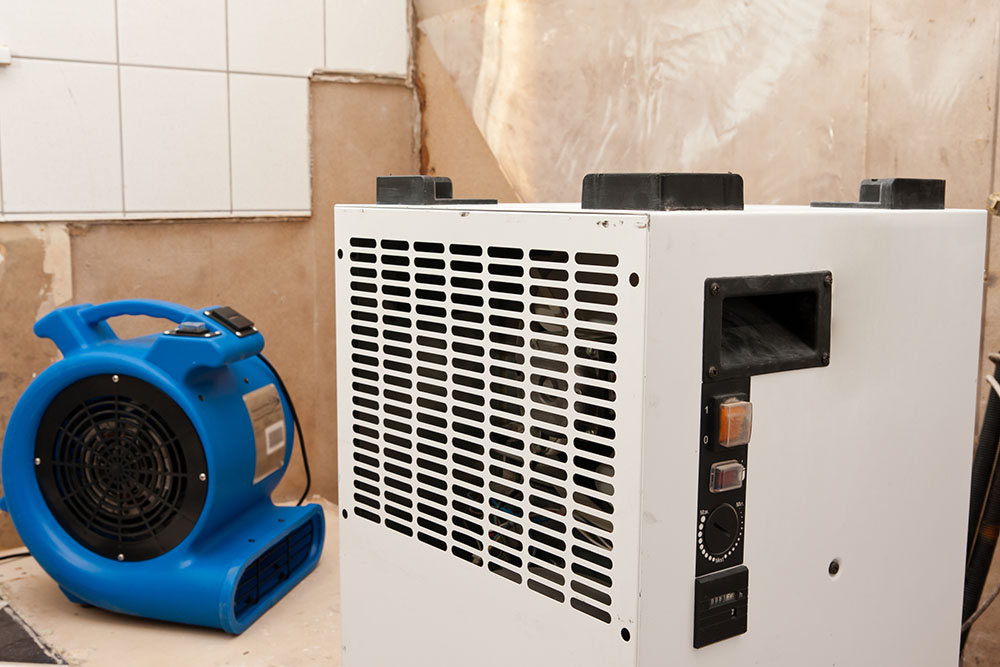
Industrial air movers and dehumidifiers remove remaining moisture from materials and indoor air.
Sanitizing and Cleaning
Carpets are professionally cleaned to remove contaminants and prevent odors or bacteria growth.
Final Moisture Verification
Technicians confirm all materials are fully dry before restoration is considered complete.
Companies serving Rockledge and surrounding areas, including Palm Bay Mold Removal, emphasize complete drying as the most critical step in preventing long-term problems.
Connection Between Carpet Flooding and Mold Growth
Mold growth is one of the most common consequences of improperly dried carpets. Mold spores begin multiplying quickly when moisture remains inside flooring materials.
Professional restoration prevents mold growth by removing moisture before contamination begins. Early drying protects indoor air quality and avoids expensive remediation later.
Addressing moisture quickly prevents mold from spreading into walls, baseboards, or furniture.
How Flooding Affects HVAC Systems and Indoor Air
Flood events sometimes affect HVAC systems located near ground level or inside garages. Moisture entering ducts or air handling units can spread contaminants through indoor air.
After flooding, ventilation systems should be inspected to ensure moisture has not entered ductwork. Proper HVAC maintenance helps maintain humidity control during recovery.
Keeping ventilation systems clean and dry improves indoor comfort after restoration.
Preventive Steps to Reduce Future Carpet Damage
Homeowners in Rockledge can reduce flood risks through preventive maintenance and preparation.
Roof inspections help identify leak vulnerabilities before storms arrive. Gutters and drainage systems should be cleaned regularly to move water away from foundations.
Doors and windows should be checked for seal failures. Landscaping adjustments may help direct water away from the home.
Installing flood barriers or improving drainage systems can reduce risks in flood-prone areas. Quick cleanup after minor water intrusion prevents larger damage.
Routine maintenance significantly lowers restoration costs following storms.
Why Local Experience Matters
Flood restoration works best when professionals understand local weather patterns and construction styles. Homes in Rockledge face unique challenges related to Florida’s storms and humidity.
Professionals familiar with Brevard County properties recognize common flood vulnerabilities and provide solutions suited to regional conditions. Experience serving nearby communities such as Satellite Beach and Cocoa Beach allows faster detection and restoration.
Local expertise helps homeowners avoid recurring problems rather than temporary repairs.
A Practical Next Step for Homeowners
Flooded carpets after storm damage can feel overwhelming, but quick professional action keeps recovery manageable. Proper carpet cleaning and restoration prevent long-term moisture problems and protect indoor air quality.
When flooding occurs, professional inspections help determine whether carpets can be saved and what drying steps are necessary. Experienced local providers, including Palm Bay Mold Removal, assist homeowners in restoring safe, comfortable living spaces after storm damage.
By improving drainage, maintaining roofs and ventilation, and responding quickly after storms, Rockledge homeowners can prevent future carpet damage and keep their homes dry and comfortable throughout Florida’s storm seasons.