
Carpet Cleaning After Flooding in Melbourne from AC Condensation: A Local Homeowner Guide
Flooding caused by AC condensation in Melbourne, Florida, can lead to significant water damage in homes, especially to carpets and flooring. Even minor leaks from air conditioning units can saturate carpets, creating the perfect environment for mold, bacteria, and structural damage. For homeowners, knowing how to properly address carpet flooding is essential to protect health, indoor air quality, and property value.
This guide provides a step-by-step process for carpet cleaning after flooding from AC condensation, along with preventive tips and best practices.
Why Carpet Cleaning After Flooding Is Critical
- Prevents Mold Growth
- Water-soaked carpets can develop mold within 24–48 hours, especially in humid climates like Melbourne.
- Protects Indoor Air Quality
- Contaminated carpets can release allergens, dust, and microbial spores into the air.
- Maintains Structural Integrity
- Prolonged water exposure can damage subflooring, padding, and furniture.
- Health Safety
- Stagnant water promotes bacteria and pathogens that can cause respiratory issues or infections.
- Cost Savings
- Early and professional cleaning reduces the need for full carpet replacement or extensive home repairs.
Early Signs Your Carpet Needs Cleaning
- Damp or Wet Carpets
- Noticeable moisture or puddles after AC condensation leaks.
- Musty or Mildew Odors
- Persistent earthy smells indicate microbial growth.
- Discoloration or Stains
- Dark patches or water rings from prolonged moisture exposure.
- Warped or Soft Areas
- Carpet padding may feel spongy or uneven, suggesting water saturation.
- Allergy or Respiratory Symptoms
- Increased coughing, sneezing, or irritation in rooms with damp carpets.
Step‑by-Step Carpet Cleaning Process After AC Flooding
Step 1: Safety First
- Turn off the AC unit and ensure electricity is safe to prevent accidents.
- Wear gloves and protective footwear when handling wet carpets.
Step 2: Remove Excess Water
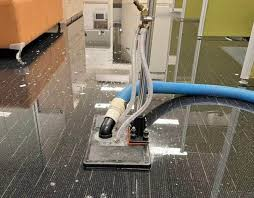
- Use wet/dry vacuums, pumps, or towels to remove standing water from carpets.
- Focus on the edges and corners where water tends to accumulate.
Step 3: Separate and Lift Carpets
- If possible, lift carpets and remove padding to allow subfloor drying.
- Move furniture and other items to a dry area.
Step 4: Deep Cleaning
- Apply hot water extraction or steam cleaning to carpets to remove dirt, contaminants, and bacteria.
- Use professional-grade carpet cleaning detergents and disinfectants suitable for water-damaged materials.
Step 5: Drying and Dehumidification
- Use air movers, fans, and dehumidifiers to thoroughly dry carpets and subfloors.
- Ensure complete drying to prevent mold and mildew growth.
Step 6: Mold and Mildew Prevention
- Apply antimicrobial solutions to prevent mold colonies from forming.
- Monitor humidity levels in the home to keep moisture under control.
Step 7: Post-Cleaning Inspection
- Inspect carpets, padding, and flooring for signs of remaining moisture or damage.
- Replace padding or carpet sections if necessary.
Preventive Tips for Homeowners
- Regular AC Maintenance
- Clean condensate pans and drain lines to prevent leaks.
- Inspect AC units annually for blockages or signs of water buildup.
- Humidity Control
- Keep indoor humidity levels below 60% with dehumidifiers or proper ventilation.
- Prompt Water Cleanup
- Address any leaks or flooding immediately to minimize carpet and subfloor damage.
- Install Water Alarms
- Place sensors near AC units or other water-prone areas to detect leaks early.
- Routine Carpet Care
- Regular vacuuming and cleaning prevent dirt and moisture accumulation.
- Professional Help
- Hire certified water damage restoration or carpet cleaning services for significant flooding.
Benefits of Professional Carpet Cleaning After Flooding
- Health Protection
- Eliminates bacteria, allergens, and mold spores from carpets.
- Extended Carpet Life
- Proper cleaning and drying restore carpets and prevent permanent damage.
- Cost Efficiency
- Reduces the need for replacement and protects the underlying flooring.
- Peace of Mind
- Ensures carpets and subfloors are fully restored and safe for occupants.
- Improved Indoor Air Quality
- Removes contaminants that can affect air quality and overall comfort.
Conclusion
Even minor AC condensation flooding in Melbourne homes can cause significant damage to carpets, flooring, and indoor air quality. Early detection of water saturation, musty odors, and soft patches is critical.
A professional carpet cleaning process—including water extraction, deep cleaning, drying, and antimicrobial treatment—prevents mold growth, protects health, and restores the property efficiently. Homeowners can also implement preventive strategies such as regular AC maintenance, humidity control, and early leak detection to minimize future water damage and maintain a safe,
healthy home
environment.