
Black Mold Removal Services in Palm Bay in Commercial Buildings: Early Signs You Should Not Ignore
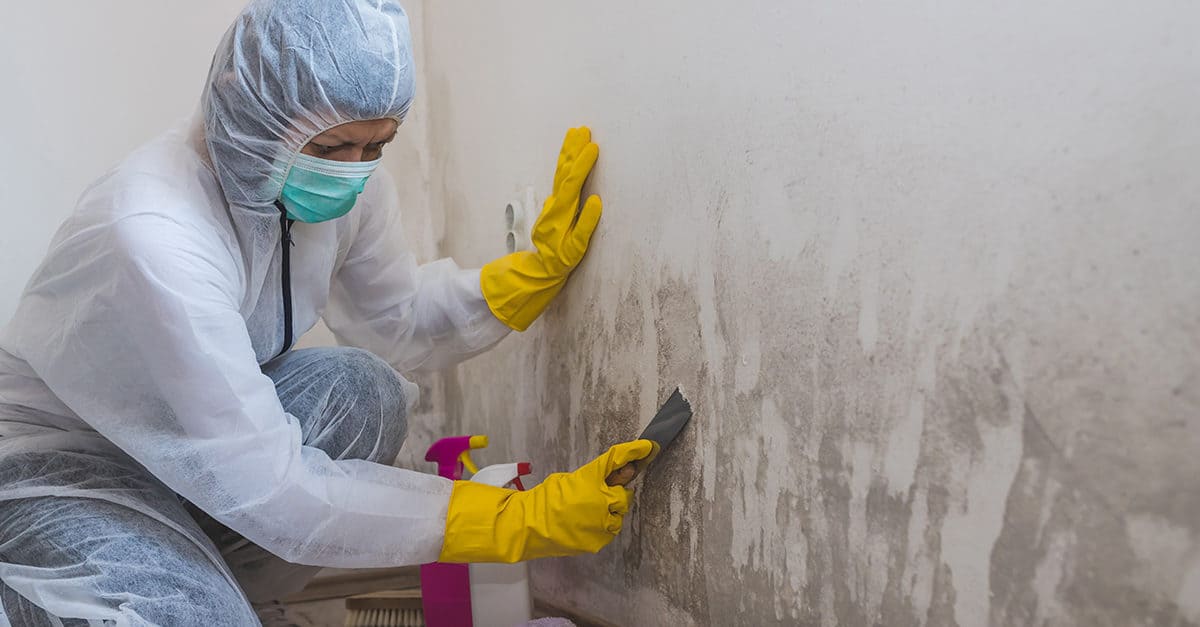
Commercial buildings in Palm Bay face unique challenges when it comes to black mold growth. High humidity, water leaks, condensation in HVAC systems, and poor ventilation can quickly lead to mold infestations that compromise indoor air quality, employee health, and building integrity. Identifying early signs of black mold is crucial for business owners and property managers to address problems before they escalate.
This guide explores the causes of black mold in Palm Bay commercial properties, common warning signs, the removal process, associated costs, and preventive strategies to maintain a safe and healthy working environment.
Understanding Black Mold in Commercial Buildings
Black mold, scientifically known as Stachybotrys chartarum, thrives in damp, humid conditions. In Florida, commercial buildings—especially those with aging infrastructure or AC systems—are particularly susceptible.
Key conditions that encourage black mold growth include:
- Persistent Moisture – From roof leaks, plumbing failures, or HVAC condensation.
- Poor Ventilation – Stagnant air in offices, storage areas, or conference rooms traps moisture.
- Organic Materials – Drywall, ceiling tiles, insulation, and carpets provide nutrients for mold growth.
- Temperature – Warm Florida climates accelerate mold proliferation.
Black mold can spread quickly if left unchecked, producing spores that become airborne and contaminate multiple areas of the building.
Common Causes of Black Mold in Palm Bay Commercial Buildings
1. HVAC System Problems
Air conditioning units are essential for comfort but can contribute to mold growth if not properly maintained. Moisture from clogged condensate lines, drip pans, or ductwork provides an ideal environment for black mold spores to thrive.
2. Roof and Plumbing Leaks
Flat commercial roofs are prone to water pooling and leaks. Similarly, aging pipes or fixtures can create slow leaks that go unnoticed behind walls, ceilings, or under floors, allowing black mold to establish colonies.
3. Poor Ventilation and Enclosed Spaces
Storage rooms, basements, utility closets, and interior offices often lack sufficient airflow. Trapped humidity encourages condensation on surfaces and accelerates mold growth.
4. Flooding and Storm Damage
Palm Bay’s rainy season and tropical storms can lead to water intrusion in basements, ground-level offices, and parking structures. Unaddressed moisture after flooding increases the risk of black mold infestations.
5. Water Damage from Renovations or Maintenance
Construction or maintenance projects can inadvertently introduce moisture to areas such as ceilings, walls, or HVAC systems, creating hidden mold hotspots if not properly dried.
Early Warning Signs to Watch For
Identifying black mold early is essential for mitigating damage and protecting occupants. Common indicators in commercial properties include:
- Musty or Earthy Odors – Persistent, unpleasant smells often indicate hidden mold.
- Visible Mold Growth – Dark green, black, or gray patches on walls, ceilings, or ductwork.
- Discoloration and Staining – Yellow or brown water stains suggest prolonged moisture exposure.
- Warped or Soft Surfaces – Ceilings, walls, or flooring that feel spongy or sagging may indicate mold presence.
- Increased Respiratory Complaints – Employees experiencing sneezing, coughing, or eye irritation could be reacting to airborne mold spores.
- Condensation or High Humidity – Frequent water droplets on windows, pipes, or AC units signal moisture issues.
Early detection prevents widespread contamination, reduces remediation costs, and helps maintain a safe working environment.
Black Mold Removal Process in Commercial Buildings
Professional mold removal involves careful planning, containment, and remediation to minimize health risks and prevent spore spread.
Step 1: Comprehensive Inspection
- Identify affected areas using visual checks, moisture meters, and thermal imaging.
- Inspect HVAC systems, ceiling tiles, insulation, walls, and flooring.
- Assess the extent of contamination to plan proper remediation.
Step 2: Containment
- Isolate affected areas using plastic barriers and negative air pressure to prevent spores from spreading.
- Seal ventilation ducts and entrances to affected zones.
Step 3: Removal of Contaminated Materials
- Porous materials like drywall, insulation, ceiling tiles, and carpeting may need removal and safe disposal.
- Non-porous surfaces are cleaned using HEPA vacuums and antimicrobial solutions.
Step 4: Cleaning and Disinfection
- Thorough cleaning of affected surfaces with specialized disinfectants.
- HVAC cleaning ensures that spores do not recirculate through the building.
Step 5: Drying and Moisture Control
- Industrial dehumidifiers and air movers dry the area completely.
- Moisture levels are monitored to prevent recurrence.
Step 6: Restoration
- Replace damaged materials, repair ceilings, walls, or flooring, and restore affected areas to operational condition.
- Conduct post-remediation testing to confirm that mold levels are safe for occupancy.
Costs of Black Mold Removal in Palm Bay Commercial Properties
Restoration costs vary depending on building size, contamination extent, and remediation complexity:
- Small Office or Retail Space – $1,500–$5,000
- Medium Commercial Property – $5,000–$15,000
- Large Buildings or Severe Infestation – $15,000–$50,000+
Investing in professional removal reduces liability, protects employees, and ensures the building remains operational.
Preventive Measures for Commercial Buildings
- Regular HVAC Maintenance – Clean coils, drip pans, and ducts; replace filters regularly.
- Roof and Plumbing Inspections – Repair leaks promptly to prevent water accumulation.
- Improve Ventilation – Ensure proper airflow in offices, storage areas, and utility rooms.
- Monitor Indoor Humidity – Use dehumidifiers and maintain humidity below 50%.
- Routine Building Inspections – Check basements, crawlspaces, and attics for signs of moisture or mold.
- Prompt Response to Water Events – Rapidly dry areas affected by leaks, flooding, or AC condensation.
Proactive measures reduce mold risk, maintain healthy indoor air quality, and protect building value.
Benefits of Professional Black Mold Removal
- Protects Occupant Health – Reduces exposure to allergens and mold spores.
- Preserves Structural Integrity – Prevents rot, warping, and damage to walls, ceilings, and flooring.
- Maintains Operational Efficiency – Ensures commercial spaces remain safe and functional.
- Minimizes Liability – Reduces risks associated with employee complaints or legal claims.
- Long-Term Cost Savings – Prevents extensive repairs from mold spread.
Local Expertise Matters
Palm Bay commercial properties benefit from working with local black mold specialists who understand:
- Florida’s humid, storm-prone climate
- Common construction materials and HVAC systems in local commercial buildings
- Efficient, safe mold remediation and prevention strategies
- Compliance with industry standards for workplace safety
Local knowledge ensures removal is thorough, safe, and effective while minimizing disruption to business operations.
Conclusion
Black mold poses significant risks to commercial buildings in Palm Bay, particularly during Florida’s humid and rainy seasons. Early detection is critical, as hidden mold can compromise indoor air quality, employee health, and the structural integrity of the property.
Professional black mold removal services include inspection, containment, removal, cleaning, drying, and restoration. Paired with preventive measures—such as HVAC maintenance, humidity control, roof inspections, and rapid response to water events—these strategies protect the property, tenants, and business operations.
For Palm Bay commercial building owners, understanding the early signs of black mold and working with experienced local professionals is essential to maintaining a safe, healthy, and operational environment.