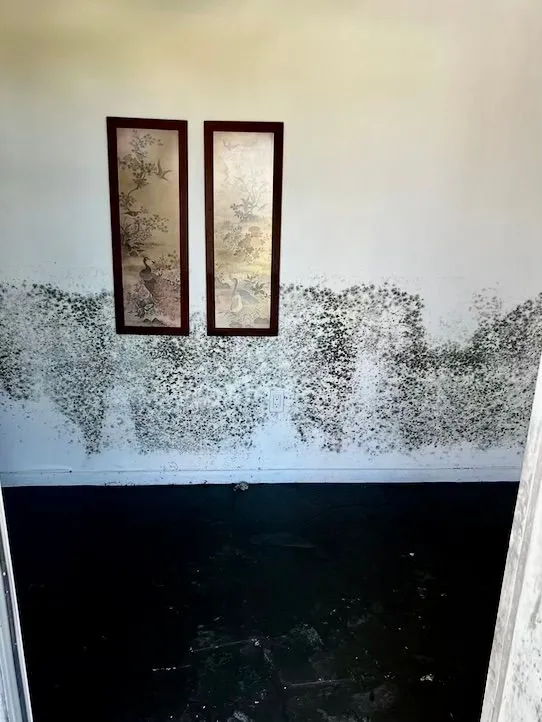
Black Mold Removal in West Melbourne After Hurricanes: Step‑by‑Step Process Explained
Hurricanes in West Melbourne bring heavy rain, high winds, and flooding, creating ideal conditions for black mold growth in residential properties. Black mold (Stachybotrys chartarum) thrives in damp, poorly ventilated environments, often appearing after water intrusion from roof leaks, broken windows, or floodwaters. If not addressed promptly, mold can compromise structural integrity, reduce indoor air quality, and pose serious health risks to homeowners and families.
This guide provides a step-by-step explanation of black mold removal after hurricanes, detailing the inspection, remediation, and preventive measures homeowners should follow.
Why Hurricanes Increase Black Mold Risk
- Water Intrusion
- Flooded rooms, leaking roofs, and breached windows allow water into walls, floors, and ceilings.
- High Humidity
- Humid post-hurricane conditions accelerate moisture accumulation inside homes.
- Flooded HVAC Systems
- Air conditioning and duct systems can trap water and promote microbial growth.
- Standing Water
- Pools of water on carpets, subfloors, or crawlspaces provide ideal conditions for mold proliferation.
- Delayed Drying
- Limited ventilation after storms slows natural drying, allowing mold to colonize within 24–48 hours.
Early Signs of Black Mold in Homes
Homeowners should watch for:
- Musty Odors
- Persistent earthy or damp smells in rooms, basements, or attics.
- Visible Mold Growth
- Black or green patches on walls, ceilings, floors, or ductwork.
- Peeling Paint or Wallpaper
- Moisture behind walls can cause finishes to bubble, crack, or discolor.
- Health Symptoms
- Sneezing, coughing, headaches, or allergic reactions may indicate mold spores in the air.
- Warped Wood or Flooring
- Water-damaged subfloors or baseboards can signal hidden mold growth.
Step-by-Step Black Mold Removal Process
Step 1: Safety Precautions
- Wear PPE: gloves, masks, and eye protection.
- Seal off affected areas with plastic sheeting to prevent spore spread.
- Turn off electricity in water-damaged areas to prevent hazards.
Step 2: Inspection and Assessment
- Identify all areas affected by water or mold.
- Use moisture meters and thermal cameras to detect hidden water and mold.
- Determine which materials are salvageable and which require removal.
Step 3: Containment
- Establish negative air pressure with HEPA filters to prevent spores from spreading.
- Close vents and doors leading to unaffected areas.
Step 4: Removal of Contaminated Materials
- Remove drywall, insulation, carpets, or ceiling tiles heavily infested with mold.
- Clean non-porous surfaces with antimicrobial cleaners.
Step 5: Cleaning and Sanitization
- Apply EPA-approved biocides or antifungal solutions to affected surfaces.
- Scrub walls, floors, HVAC vents, and ductwork to eliminate mold spores.
Step 6: Drying and Dehumidification
- Use industrial fans, dehumidifiers, and air movers to thoroughly dry the space.
- Keep humidity levels below 60% to prevent mold recurrence.
Step 7: Repairs and Restoration
- Replace removed materials with new drywall, flooring, insulation, or ductwork.
- Paint or refinish walls after mold remediation is complete.
Step 8: Post-Remediation Inspection
- Inspect treated areas to ensure mold has been completely removed.
- Conduct air quality testing if necessary to verify a safe environment.
Benefits of Professional Black Mold Removal
- Health Protection
- Reduces exposure to harmful spores that can trigger allergies or respiratory issues.
- Prevents Structural Damage
- Stops mold from weakening walls, ceilings, and flooring.
- Improves Indoor Air Quality
- Removes musty odors and airborne contaminants.
- Cost Savings
- Early professional remediation avoids extensive repairs and higher restoration costs.
- Peace of Mind
- Ensures a safe, clean, and habitable home after hurricane damage.
Preventive Measures for Homeowners
- Inspect Roofing and Windows
- Repair leaks and seal openings before hurricane season.
- Improve Drainage
- Ensure gutters and grading direct water away from the home.
- Use Dehumidifiers
- Control indoor humidity, especially after water intrusion.
- Monitor Crawlspaces and Basements
- Check for standing water or damp areas frequently.
- Regular HVAC Maintenance
- Clean and inspect AC systems and ducts to prevent hidden mold growth.
- Prompt Water Extraction
- Remove water within 24–48 hours after flooding to prevent mold colonization.
Costs of Black Mold Removal in West Melbourne
- Small Affected Areas (under 10 sq. ft.): $300–$800
- Moderate Areas (10–50 sq. ft.): $800–$3,000
- Severe or Large Infestations: $3,000–$10,000+
- Additional costs may include structural repairs, air duct cleaning, or specialized dehumidification systems.
Conclusion
Hurricane-induced flooding in West Melbourne creates an urgent need for black mold removal due to elevated moisture levels and widespread water intrusion. Following a step-by-step remediation process ensures that mold is safely removed, indoor air quality is restored, and homes remain structurally sound.
Professional mold remediation, combined with preventive measures such as proper ventilation, dehumidification, and regular inspections, helps homeowners protect their health, reduce repair costs, and restore their homes to a safe and comfortable living environment. Early intervention is key to minimizing the long-term impact of mold after hurricanes.