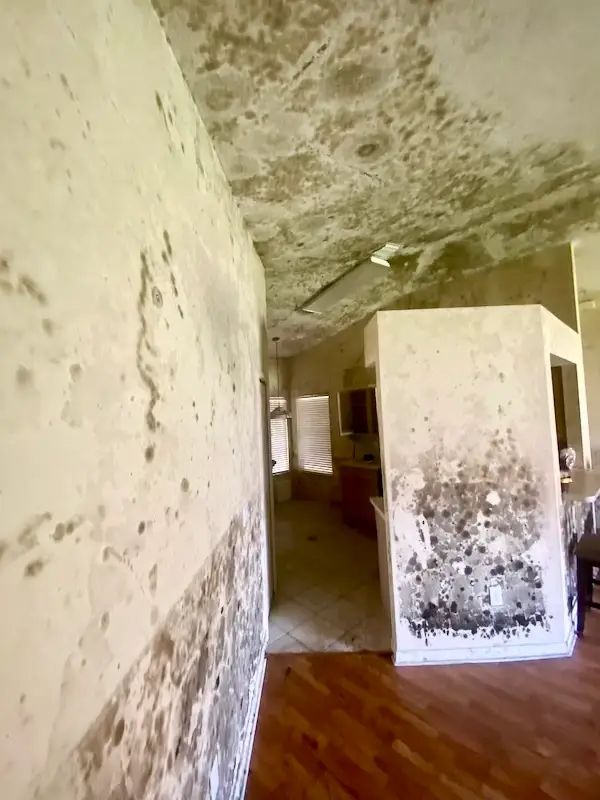
Black Mold Removal in Viera in Older Homes: What Homeowners Should Know
Older homes in Viera often have character, solid construction, and established neighborhoods—but they can also be more vulnerable to moisture problems that lead to black mold. Years of seasonal humidity, small roof leaks, aging ventilation, and condensation from air conditioning systems can gradually create conditions where mold develops behind walls, under flooring, or inside attic spaces.
Understanding how black mold forms, how removal works, and what homeowners should watch for can help prevent long-term structural damage and maintain a healthy indoor environment.
What Black Mold Is and Why It Appears in Older Homes
Black mold is not caused by age alone. It develops when moisture remains trapped on surfaces long enough for spores to grow. In older homes, building materials may have absorbed moisture repeatedly over time, making them more susceptible.
Common locations where black mold appears include:
- Drywall affected by past leaks
- Attic insulation near roof penetrations
- Areas around windows or exterior walls
- Bathrooms or laundry rooms with limited ventilation
- HVAC ducts or air handler compartments
Mold often develops slowly and may remain hidden until odors or discoloration become noticeable.
Why Mold Problems Are Common in Viera
Several local conditions contribute to mold growth in Viera and nearby areas such as Melbourne, Rockledge, and Palm Bay.
High humidity
Brevard County experiences elevated humidity most of the year. Even when homes are air-conditioned, moisture can remain trapped in materials.
Frequent storms and heavy rain
Seasonal storms increase the likelihood of roof leaks, water intrusion, or elevated indoor humidity.
Older ventilation systems
Some older homes were built with less effective ventilation, allowing moisture to linger in attics and wall cavities.
Air conditioning condensation
AC systems produce condensation continuously. If drain lines clog or airflow is restricted, moisture can accumulate in or near duct systems.
Material aging
Over time, small cracks, worn seals, and deteriorating insulation make it easier for moisture to enter.
Common Signs Homeowners Notice
Black mold rarely appears overnight. Early warning signs often include:
- Persistent musty odors
- Dark spots or staining on walls or ceilings
- Peeling paint or bubbling drywall
- Warped trim or baseboards
- Increased humidity indoors
- Dark discoloration near vents or window frames
These symptoms do not always confirm mold growth, but they are strong indicators that moisture should be investigated.
Hidden Areas Where Mold Often Develops
In older homes, mold frequently grows in places homeowners rarely inspect.
Wall cavities
Water entering through small exterior gaps can dampen insulation and framing without immediate visible signs.
Attics
Roof leaks, condensation, or poor ventilation may cause mold on roof decking or insulation.
Air ducts and return chases
Dust combined with moisture can allow mold to develop inside HVAC systems.
Under flooring
Moisture trapped beneath laminate or tile can remain for long periods, especially after minor flooding or plumbing leaks.
Closets and storage rooms
Areas with limited airflow often retain humidity longer than open spaces.
Professional inspections help identify these hidden areas before damage spreads.
Why DIY Mold Removal Usually Fails
Homeowners sometimes attempt to clean mold using household cleaners or bleach. While this may remove visible staining temporarily, it rarely solves the underlying issue.
DIY cleanup often fails because:
- Moisture sources remain untreated
- Mold behind walls or under flooring is not accessible
- Porous materials absorb contamination
- Spores may spread during improper cleaning
Without proper drying and removal of affected materials, mold frequently returns.
Professional Mold Inspection and Testing Explained
A structured inspection helps determine the extent of mold and the conditions causing it. In older Viera homes, this process typically includes:
- Measuring moisture levels in walls and ceilings
- Inspecting attic insulation and roof structures
- Checking HVAC components and ductwork
- Evaluating humidity levels indoors
- Air or surface sampling when appropriate
Testing provides a clearer understanding of whether remediation is necessary and how extensive it should be.
Proper Black Mold Removal and Remediation Process
Mold remediation is designed to remove contamination safely and prevent recurrence. A typical process includes:
Containment
Affected areas are isolated to prevent spores from spreading during cleanup.
Air filtration
Air filtration equipment captures airborne particles and improves air quality during remediation.
Removal of damaged materials
Severely affected drywall, insulation, or carpeting may need to be removed to eliminate contamination completely.
Cleaning and treatment
Structural surfaces are cleaned using methods suitable for the material type.
Drying and moisture control
Dehumidifiers and airflow adjustments help stabilize moisture levels to prevent mold from returning.
Final verification
Moisture readings confirm that the environment has returned to safe conditions.
Flood Restoration and Water Damage Repair
Many mold problems in Viera begin with water damage. Even minor flooding or plumbing leaks can leave moisture behind in structural materials.
Flood restoration and water damage repair may involve:
- Extracting standing water
- Drying walls, flooring, and structural components
- Repairing damaged drywall or insulation
- Identifying and repairing the original leak
Completing these steps before remediation helps ensure mold does not return.
Air Ducts, AC Systems, and Mold
HVAC systems play a major role in moisture control. In older homes, ducts may contain dust buildup or insulation gaps that allow condensation to form.
Cleaning and inspecting ducts can help:
- Remove debris that retains moisture
- Improve airflow
- Reduce odors
- Prevent contaminants from circulating
Regular AC maintenance also helps keep condensate drains clear and humidity levels balanced.
How Homeowners Can Prevent Mold in Older Homes
Preventive maintenance is one of the most effective ways to reduce mold risk.
Helpful steps include:
- Inspect roofs and flashing annually
- Maintain AC systems and drain lines
- Replace worn weather stripping around windows and doors
- Use exhaust fans in kitchens and bathrooms
- Monitor attic ventilation
- Address leaks promptly, even small ones
- Keep indoor humidity at moderate levels
Consistent maintenance helps prevent the moisture conditions that allow mold to develop.
Why Local Experience Matters
Homes in Viera, Melbourne, Palm Bay, and Rockledge share similar construction styles and climate conditions. Professionals familiar with Brevard County properties understand how humidity, storms, and attic environments affect building materials and where mold is most likely to develop.
Palm Bay Mold Removal works with homeowners across the region to locate moisture sources, perform mold testing when needed, and carry out remediation steps that help protect both the structure and indoor air quality.
A Calm Next Step for Homeowners
If you notice musty odors, discoloration, or persistent humidity in an older home, scheduling an inspection and moisture assessment can provide clear answers. Early detection and proper remediation prevent larger structural repairs and help keep homes comfortable and stable.
Taking action early allows homeowners in Viera to preserve the condition of older homes while maintaining a clean and healthy indoor environment for years to come.