
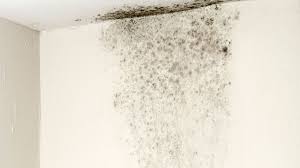
Black Mold Removal in Melbourne in Residential Homes: Step-by-Step Process Explained
If you live in Melbourne long enough, you’ll eventually hear someone say, “We found black mold.” Sometimes it’s a real, confirmed issue. Sometimes it’s a scary-looking stain that turns out to be something else. Either way, in Florida homes—especially after storms, AC problems, or plumbing leaks—dark growth on building materials is a signal to slow down and handle it correctly.
In residential homes across Melbourne, West Melbourne, Rockledge, Palm Bay, and Viera, the most common pattern looks like this: a little water gets in, it stays hidden, Florida humidity keeps everything damp, and then you discover dark spotting behind a baseboard, under a sink cabinet, around a return vent, or in an attic corner.
This guide breaks down what “black mold” typically means in real-world home scenarios, why it’s common here, and the step-by-step process that actually works—without drama, scare tactics, or guesswork.
What “Black Mold” Usually Means in a Home
Homeowners use the term “black mold” to describe mold that looks dark—black, green-black, or deep brown. That appearance alone does not confirm a specific type. Many molds can look dark depending on the surface, the age of the growth, and the lighting.
What matters most is not the nickname. What matters is this:
- Is there active moisture feeding it?
- Is it on a porous material that needs removal?
- Is it spreading or recurring after cleaning?
- Is it in a location that suggests hidden moisture pathways (walls, HVAC, attic)?
A proper approach focuses on moisture control and safe removal, not on panic.
Why This Happens So Often in Melbourne
Melbourne’s mold issues are not random. They’re predictable. The local environment does the heavy lifting:
- High humidity most of the year
- Heavy seasonal rains and hurricane events
- Wind-driven rain intrusion around roofs, vents, and windows
- AC systems running constantly and producing condensation
- Slab foundations that can trap moisture at wall edges
- Attics that heat up and hold humid air
Even when a home looks “dry,” materials can stay damp internally. And in Florida, “damp” is often enough.
We also see certain home layouts and habits contribute to recurring issues—closed-up rooms, low airflow closets, furniture tight against exterior walls, and HVAC returns pulling humid air from wall cavities.
Common Signs Homeowners Notice
Most Melbourne homeowners don’t find mold because they were searching for it. They find it because something feels off.
Typical warning signs include:
- A musty odor that returns after cleaning
- Bubbling paint or a soft drywall edge near the floor
- Warped baseboards or trim separating from the wall
- A dark ring under a sink or behind a toilet
- Discoloration around AC vents or a musty AC smell on startup
- Persistent humidity indoors even when the AC is running
If you’re seeing repeat staining in the same spot, it’s usually not a “cleaning” problem. It’s a moisture problem.
Hidden or Overlooked Sources in Melbourne Homes
The most expensive mold projects usually start with a small hidden moisture source. The common culprits around Melbourne include:
- Under-sink supply line drips that soak cabinet bases and spread under flooring
- Toilet wax ring leaks that stay hidden until flooring softens
- AC drain line backups that wet closets, return chases, or garage walls
- Wind-driven rain getting into attic insulation near vents or flashing
- Window and slider track intrusion soaking the slab edge and lower drywall
- Duct condensation in attics where insulation jackets sweat
Attics and HVAC systems are big ones here. People forget the attic exists until it smells, and the HVAC keeps circulating air whether you’re paying attention or not.
Why DIY “Black Mold Removal” Usually Fails
DIY efforts often fail for one of three reasons:
- They clean the surface but leave the moisture.
Mold returns because the material never dried fully or the leak source wasn’t corrected. - They treat porous materials like they’re washable.
Drywall, insulation, cabinet particleboard, and carpet pad don’t behave like tile. If they’re saturated or colonized, removal is usually the right call. - They spread contamination by disturbing it without containment.
Scrubbing a wall cavity or ripping out baseboards without isolating the area can spread dust and debris into other rooms.
In Melbourne’s humidity, half-measures tend to buy you a temporary improvement—and a repeat issue later.
Professional Mold Inspection and Testing Explained
Before remediation begins, a good inspection focuses on moisture first.
A proper inspection typically includes:
- Visual evaluation of affected areas and surrounding materials
- Moisture meter readings along wall bottoms, around windows, and under sinks
- Thermal imaging in many cases to locate likely hidden dampness (confirmed with meter readings)
- Attic checks after storms or roof leaks
- HVAC/return area evaluation if odors align with AC runtime
Testing is sometimes used when:
- The odor is present but growth isn’t visible
- A landlord or property manager needs documentation
- Multiple rooms show symptoms and you need clearer scope
- You’re deciding between localized work vs. broader remediation
The goal is not to “test everything.” The goal is to confirm where moisture is active and define a smart scope.
Step-by-Step Black Mold Removal Process in Residential Homes
This is the process that holds up in real Melbourne homes—whether the mold is behind a bathroom wall, under a kitchen sink, or in an attic corner after a storm.
Step 1: Stop the Moisture Source
No remediation works long-term without this. That may involve:
- Fixing a plumbing leak or worn supply line
- Clearing and repairing AC drain line issues
- Addressing roof flashing or vent leaks
- Improving window/door sealing
- Correcting drainage that’s saturating the slab edge
If moisture continues, you’re paying twice.
Step 2: Create a Clear Work Boundary
Containment is set up as needed depending on location and severity. The purpose is simple: keep debris and dust in the work zone and protect clean areas of the home.
Step 3: Remove Unsalvageable Materials
This is where most remediation becomes “real.” Common removals include:
- Lower sections of drywall where moisture wicked upward
- Baseboards and trim holding dampness behind them
- Wet insulation in walls or attics
- Cabinet toe-kicks or particleboard bases that swelled
- Carpet pad and sometimes carpet in saturated areas
Selective removal is the goal—remove what’s damaged, preserve what’s dry and sound.
Step 4: Clean Remaining Structural Surfaces
Once porous materials are removed, remaining framing and surfaces are cleaned using appropriate professional methods. The focus is physical removal of contamination, not just spraying something and calling it done.
Step 5: Drying and Dehumidification
In Melbourne, drying is not optional. Commercial dehumidification and airflow are used to pull moisture out of materials and stabilize indoor humidity.
Moisture readings should confirm progress. “It feels dry” doesn’t count when humidity is high.
Step 6: Verification Before Rebuild
Before drywall goes back up or baseboards get reinstalled, moisture levels are rechecked. This is the step that prevents the frustrating cycle of “new drywall, same smell.”
Step 7: Repairs and Restoration
Once materials are verified dry, reconstruction happens:
- Drywall replacement and finishing
- Baseboards/trim
- Paint (after proper dry time)
- Flooring repair or replacement if needed
- Cabinet repairs if affected
When everything is rebuilt over dry materials, the result is stable and predictable.
Palm Bay Mold Removal is often brought in across Melbourne and surrounding Brevard County communities for this exact reason: the process is designed around moisture behavior in Florida, not generic assumptions.
Water Damage Repair and Flood Restoration Connections
In many Melbourne homes, “black mold removal” is actually part of a bigger water damage story—storm intrusion, a slow leak, or a condensation issue that was ignored.
If there was flooding or significant water intrusion, proper restoration may also involve:
- Water extraction
- Structural drying of subfloors and wall cavities
- Moisture mapping across multiple rooms
- Targeted removal of saturated materials
- HVAC evaluation if the system ran during high humidity or active leaks
Mold remediation and water damage restoration overlap. One without the other often leads to a repeat problem.
Air Ducts, AC Systems, and Dark Growth
If you’re seeing dark staining around vents or smelling mustiness when the AC starts, the HVAC system deserves attention.
Common HVAC-related contributors in Melbourne include:
- Condensation issues from clogged drains or oversized systems
- Wet or degraded duct insulation in hot attics
- Return chases pulling humid air from wall cavities
- Dust buildup that holds moisture on vent surfaces
Sometimes the solution is maintenance and moisture correction. Sometimes duct cleaning or targeted duct repair makes sense. The key is identifying whether the HVAC system is part of the moisture pathway.
How to Prevent Future Mold Damage in Melbourne Homes
Prevention in Melbourne is mostly about moisture discipline.
Practical steps that actually help:
- Keep indoor humidity controlled (aim under 55%)
- Maintain AC drain lines and pans routinely
- Inspect attic areas after major storms (especially around vents and penetrations)
- Don’t ignore small leaks under sinks or around toilets
- Use bathroom exhaust fans and keep airflow moving in low-use rooms
- Watch closets on exterior walls—low airflow zones are common trouble spots
- Verify dryness before reinstalling trim or flooring after any water event
If you’re a landlord or property manager, quick moisture response is often the difference between a small repair and a multi-room remediation.
Why Local Experience Matters
Mold remediation in Florida is different because moisture behaves differently here. The combination of humidity, storms, slab foundations, and HVAC-driven condensation creates patterns that repeat across Melbourne, West Melbourne, Rockledge, Palm Bay, Satellite Beach, Merritt Island, Viera, and Titusville.
Local experience matters because it helps answer the real questions faster:
- Where did the water actually travel?
- What materials are likely holding moisture?
- What needs removal versus drying?
- What changes prevent recurrence?
A Calm, Trust-Based Next Step
If you’ve found dark mold-like growth in your Melbourne home, the smartest next move is not to guess at severity based on color. Confirm the moisture source, map the affected materials, and follow a proper removal-and-drying process.
Handled correctly, black mold removal becomes a structured repair project—not a crisis.