
Black Mold Removal in Cocoa Beach in Humid Summers: How to Prevent Future Damage
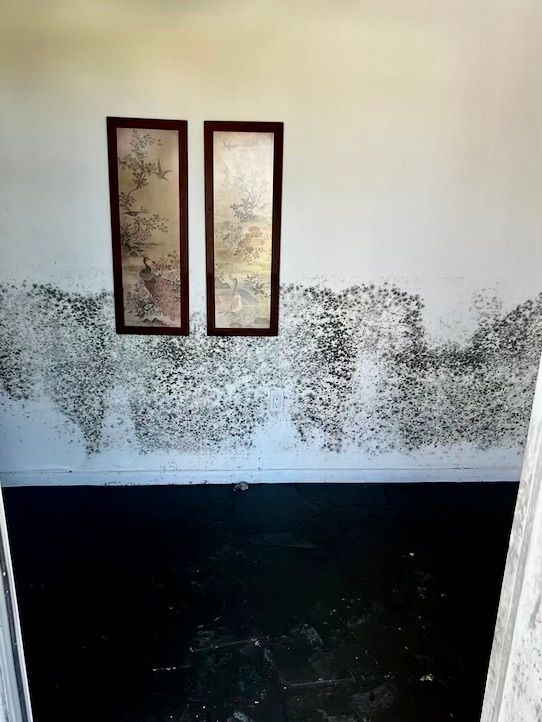
Cocoa Beach homeowners face a unique challenge during Florida’s humid summers: black mold growth. High humidity, heavy rainfall, and warm temperatures create ideal conditions for mold to thrive, particularly in poorly ventilated areas or in homes affected by water intrusion. Black mold (commonly Stachybotrys chartarum) can damage building materials, compromise indoor air quality, and reduce the comfort and safety of a home.
For property owners, understanding how to properly remove black mold and prevent future damage is crucial. This guide provides a detailed overview of causes, warning signs, professional removal processes, and long-term prevention strategies for Cocoa Beach homes.
Understanding Black Mold
Black mold is a dark-colored fungus that thrives in damp, poorly ventilated environments. Unlike surface dirt or mildew, black mold penetrates porous materials such as:
- Drywall
- Ceiling tiles
- Wood and plywood
- Insulation
- Carpet and padding
Mold spores are microscopic and can become airborne, spreading to other areas of the home if left untreated. During humid summers in Cocoa Beach, indoor humidity levels often exceed 60%, creating the perfect environment for mold colonization, especially in areas with leaks, condensation, or poor airflow.
Why Black Mold Appears Frequently in Cocoa Beach Homes
Several factors contribute to black mold growth in the region:
- High Humidity and Heat: Warm temperatures and moisture create a perfect breeding ground for mold spores.
- Water Intrusion: Plumbing leaks, roof leaks, and AC condensation are common sources of moisture.
- Poor Ventilation: Enclosed attics, bathrooms, and crawl spaces allow moisture to accumulate.
- Older Homes and Materials: Aging drywall, wood, and insulation are more susceptible to mold colonization.
- Storms and Rainy Season: Frequent summer thunderstorms can cause leaks or flooding that exacerbate mold growth.
Understanding these conditions helps homeowners prioritize inspections and timely remediation.
Early Warning Signs of Black Mold
Detecting black mold early reduces the risk of widespread contamination. Common signs include:
- Musty or earthy odors in certain rooms
- Black or greenish patches on walls, ceilings, or baseboards
- Water stains or discoloration near leaks or AC units
- Health symptoms such as coughing, sneezing, or respiratory irritation
- Warping or softening of wood and drywall near damp areas
Prompt action is essential to prevent the spread of spores and minimize property damage.
Hidden Sources of Mold
Mold often grows in areas that are not immediately visible:
- Attics and Roof Spaces: Leaks or condensation can saturate insulation.
- HVAC Ducts: Moisture in ducts spreads spores throughout the home.
- Crawl Spaces and Basements: Poorly ventilated, humid areas are ideal for mold growth.
- Behind Walls: Plumbing leaks behind walls can create concealed mold colonies.
Professional mold inspections often uncover hidden infestations that homeowners might overlook.
Why DIY Removal Often Fails
Homeowners sometimes attempt to clean black mold using household cleaners, bleach, or scrubbing methods. While these may remove surface growth, DIY approaches often fail to:
- Fully eliminate mold within porous materials
- Access hidden mold in walls, attics, or ductwork
- Prevent mold spores from spreading to other areas
- Restore safe indoor air quality
Professional remediation ensures comprehensive cleaning, safe containment, and reduced recurrence risk.
Professional Black Mold Removal Process
A structured, professional approach to black mold removal includes several key steps:
Step 1: Inspection and Assessment
- Technicians identify affected areas and moisture sources
- Moisture meters and infrared cameras detect hidden dampness
- Severity and extent of mold infestation are documented
Step 2: Containment
- Plastic sheeting and negative air pressure prevent spores from spreading
- Affected rooms or HVAC systems may be isolated during cleaning
Step 3: Mold Removal
- Porous materials heavily contaminated with mold may be removed and replaced
- Non-porous surfaces are scrubbed and disinfected with antimicrobial solutions
- Air ducts, filters, and AC components are sanitized to prevent airborne spores
Step 4: Drying and Dehumidification
- Industrial air movers and dehumidifiers ensure complete drying of affected areas
- Prevents moisture from returning and supports long-term mold prevention
Step 5: Verification and Testing
- Post-remediation inspection confirms that mold levels are safe
- Air sampling or visual verification ensures that spores have been removed
Preventing Future Black Mold Damage
Cocoa Beach homeowners can take several proactive steps to reduce the risk of future mold growth:
- Control Indoor Humidity: Use dehumidifiers or air conditioning to maintain indoor humidity below 50%.
- Fix Water Issues Promptly: Address plumbing leaks, roof leaks, or AC condensation immediately.
- Improve Ventilation: Install exhaust fans in bathrooms, kitchens, and attics to reduce moisture buildup.
- Inspect HVAC Systems: Clean ducts, replace filters, and ensure proper drainage to prevent mold growth.
- Routine Home Inspections: Check for water stains, musty odors, and hidden leaks regularly.
- Use Mold-Resistant Materials: When renovating, consider moisture-resistant drywall and insulation in humid areas.
Consistent maintenance reduces the likelihood of black mold returning, even during hot and humid summers.
Costs of Professional Black Mold Removal
Costs depend on several factors:
- Size of the affected area and number of rooms involved
- Severity of mold infestation
- Accessibility of affected materials, including attics, walls, or ducts
- Additional repairs required for water damage or plumbing leaks
Professional assessments provide accurate estimates, helping homeowners make informed decisions while protecting property value.
Why Local Expertise Matters
Cocoa Beach homeowners face unique environmental challenges:
- Extreme summer humidity and heat encourage mold growth
- Coastal storms and heavy rainfall increase the risk of water intrusion
- Older homes and limited ventilation require specialized remediation strategies
Local mold professionals understand these conditions and provide targeted inspections, effective removal, and preventive guidance tailored to the region.
Calm, Trust-Based Call to Action
Black mold growth during humid summers in Cocoa Beach can cause serious damage if left unaddressed. Professional inspection, remediation, and preventive measures ensure your home remains safe, healthy, and comfortable. Timely intervention protects both your property and indoor air quality, preventing long-term problems and future mold outbreaks.