Air Duct Cleaning in Cocoa Beach After Plumbing Leaks: Early Signs You Should Not Ignore
Plumbing leaks are frustrating on their own—but what many homeowners in Cocoa Beach don’t realize is how often those leaks affect more than cabinets, walls, or flooring. Moisture has a way of traveling, and in humid coastal climates, it often finds its way into places you wouldn’t expect… including air ducts.
We’ve seen this pattern many times in Cocoa Beach, Satellite Beach, and nearby Melbourne: a plumbing leak gets fixed, surfaces dry out, and everyone moves on. A few weeks later, there’s a musty smell when the AC turns on. That’s usually the moment homeowners realize the ventilation system may have been affected.
Understanding the early warning signs and how air duct cleaning helps can prevent small moisture problems from turning into long-term indoor air quality issues.
How Plumbing Leaks Affect Air Ducts
At first glance, plumbing and ductwork seem unrelated. But in many homes, they’re closer than you think.
Leaks can introduce moisture into:
- Wall cavities that connect to return air pathways
- Ceilings where ducts run nearby
- Attics where both plumbing and ductwork are installed
- Flooring or subfloors near HVAC systems
Once moisture reaches these areas, duct insulation or dust inside ducts can become damp. In Florida’s warm climate, that dampness doesn’t dry quickly—and that’s when odors and contamination can begin.
Even a slow leak under a sink or behind a wall can raise humidity levels enough to affect nearby ventilation components.
Why Cocoa Beach Homes Are Especially Vulnerable
Cocoa Beach homes face unique conditions that make moisture problems more likely to affect HVAC systems:
- High humidity most of the year
- Salt air that accelerates wear on materials
- AC systems running almost constantly
- Attic ductwork exposed to heat and moisture
- Storms that increase indoor humidity levels
In nearby areas like Merritt Island and Rockledge, similar conditions exist, but coastal humidity in Cocoa Beach often slows drying even further.
This means that moisture from plumbing leaks can linger longer than homeowners expect.
Early Signs You Should Never Ignore
The sooner ventilation issues are caught, the easier they are to fix. Here are some early warning signs to watch for after a plumbing leak:
- A musty smell when the AC starts
- Odors that seem stronger in certain rooms
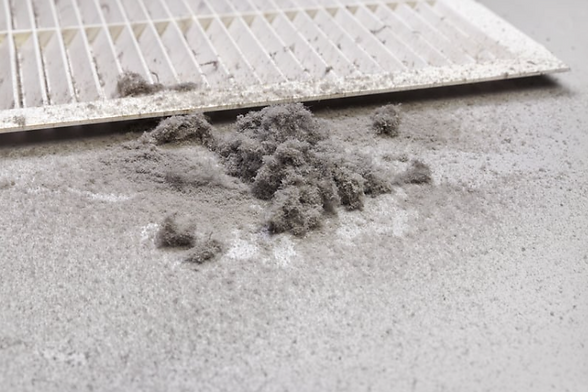
- Dust buildup around vents that appears darker than usual
- Increased indoor humidity
- Uneven airflow between rooms
Another common sign is a smell that appears only when the system is running. That often means moisture or buildup inside the duct system.
These signs don’t always mean mold is present—but they do mean the system should be inspected.
Hidden Moisture That Homeowners Often Miss
One of the biggest challenges with plumbing leaks is hidden moisture.
Water can spread into:
- Return air cavities inside walls
- Attic insulation surrounding ducts
- Subfloor areas near air handlers
- Closet or utility rooms housing HVAC equipment
In Cocoa Beach homes, attic spaces are particularly vulnerable. Warm attic air combined with damp insulation creates conditions where moisture persists longer.
Moisture detection during inspection helps identify these hidden areas before odors or contamination spread further.
Why DIY Duct Cleaning Usually Doesn’t Solve the Problem
It’s common for homeowners to try vacuuming vents or wiping visible dust, hoping the odor will disappear. Unfortunately, that rarely fixes the underlying issue.
DIY cleaning often falls short because:
- Most of the duct system is unreachable
- Moisture inside ducts isn’t addressed
- Airflow problems remain
- Odor sources are not removed
Without proper equipment and inspection, the root cause of the problem often stays hidden.
Professional cleaning focuses on the entire system—not just the visible parts.
How Professional Air Duct Cleaning Works
A proper duct cleaning process follows several steps designed to remove buildup and restore airflow.
Step 1: Inspection
Technicians check ductwork, vents, and HVAC components to locate buildup, moisture, or restricted airflow.
Step 2: System Preparation
Registers and vents are prepared so dust and debris don’t spread into living spaces during cleaning.
Step 3: Debris Removal
Specialized equipment removes dust, debris, and contaminants from inside duct runs and system components.
This step improves airflow and reduces odors.
Step 4: HVAC Component Cleaning
Accessible parts of the air handler, blower, and surrounding areas may be cleaned to improve efficiency and airflow.
Step 5: Airflow and Moisture Check
After cleaning, airflow and humidity conditions are reviewed to ensure the system is functioning properly.
This step helps confirm that ventilation issues have been addressed.
Mold Risks After Plumbing Leaks
Moisture inside ducts can create conditions where mold develops, especially in warm climates.
Areas most at risk include:
- Duct insulation
- Return air pathways
- Air handler compartments
- Attic duct runs
Mold inspection and testing may be recommended if odors persist or moisture readings remain elevated.
Addressing moisture quickly is the most effective way to prevent contamination from spreading.
How Air Duct Cleaning Improves Indoor Air Quality
When ducts are cleaned and airflow improves, homeowners often notice several benefits:
- Fresher-smelling air
- Less dust settling on surfaces
- More consistent cooling
- Reduced humidity levels
- Improved comfort
In coastal environments like Cocoa Beach, improving airflow also helps reduce condensation inside ducts, which lowers the risk of recurring moisture problems.
Preventing Ventilation Problems After Plumbing Leaks
Once leaks are repaired and ducts are cleaned, a few simple habits can help prevent future issues:
- Inspect plumbing regularly for small drips
- Check under sinks and behind appliances periodically
- Replace HVAC filters regularly
- Monitor indoor humidity levels
- Schedule periodic HVAC inspections
Even small leaks should be addressed quickly. Moisture left unchecked is what causes most long-term ventilation issues.
Why Local Experience Matters
Homes in Cocoa Beach and surrounding Brevard County communities experience moisture challenges that are very different from those in drier regions.
Local professionals understand:
- How coastal humidity affects duct systems
- Common attic ventilation problems
- How moisture travels through Florida home construction
- The importance of thorough drying and airflow correction
Palm Bay Mold Removal has worked with homeowners across Cocoa Beach, Satellite Beach, Melbourne, and Merritt Island, helping identify duct-related moisture issues early and prevent long-term indoor air quality problems.
A Practical Next Step for Homeowners
If your home recently had a plumbing leak and you’re noticing musty smells, humidity, or uneven airflow, it’s wise to have your duct system inspected. Catching ventilation issues early is much easier than dealing with widespread contamination later.
Air duct cleaning, combined with proper moisture control, helps restore airflow, improve indoor air quality, and keep your home comfortable—even during Cocoa Beach’s long, humid seasons.
Taking action early keeps a small issue from turning into a bigger one—and helps ensure your HVAC system continues to run efficiently for years to come.