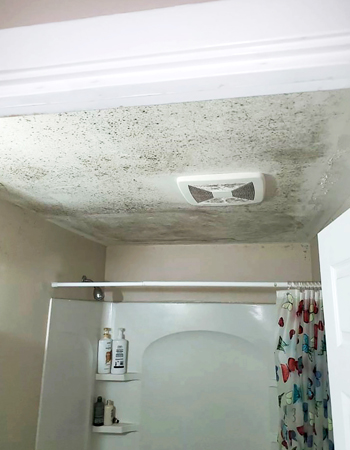
AC Mold Cleaning Services in Rockledge After Hurricanes: Early Signs You Should Not Ignore
Hurricane season in Rockledge often brings heavy rain, strong winds, and prolonged humidity. Even when a home escapes major structural damage, moisture from storms can affect air conditioning systems in ways that are not immediately obvious. Water intrusion, elevated humidity, and debris in HVAC systems create conditions where mold can begin developing inside air handlers, ducts, and vents.
AC mold cleaning becomes especially important after hurricanes because contaminated HVAC systems can spread odors and airborne particles throughout the entire home. Recognizing early warning signs helps homeowners act quickly and prevent more serious problems.
How Hurricanes Contribute to AC Mold Problems
Air conditioning systems are designed to manage indoor humidity, but hurricanes introduce moisture levels far beyond normal conditions. Storm-driven rain, attic humidity, and power outages can disrupt HVAC performance and allow moisture to accumulate.
After hurricanes, mold may develop when:
- Condensate drain lines clog or overflow
- Drain pans hold standing water
- Duct insulation becomes damp
- Attic humidity increases significantly
- Air filters and coils collect debris and moisture
Once mold forms inside an AC system, it can spread through airflow whenever the system operates.
Why Rockledge Homes Are Vulnerable After Storms
Rockledge and nearby communities such as Cocoa, Merritt Island, and Viera often experience conditions that make mold growth more likely following hurricanes.
Extended humidity after storms
Even after rain stops, humidity levels often remain high for days.
Roof or attic moisture
Small leaks or wind-driven rain can dampen insulation and ductwork.
Continuous AC use after power restoration
Systems often run heavily to cool homes after outages, increasing condensation.
Warm temperatures
Heat accelerates mold growth when moisture is present.
These factors make HVAC inspections especially important after severe weather events.
Early Signs You Should Not Ignore
Mold inside an AC system often develops gradually, and early warning signs may appear before visible contamination spreads.
Homeowners commonly notice:
- Musty odors when the AC turns on
- Increased humidity indoors
- Reduced airflow or uneven cooling
- Dark staining around vents
- Condensation forming near registers
These signs often indicate moisture buildup or contamination somewhere inside the HVAC system.
Ignoring these symptoms can allow mold to spread further into ducts and surrounding materials.
Hidden Areas Where AC Mold Often Develops
Many mold problems occur in areas that are not easily visible during routine maintenance.
Evaporator coils and drain pans
Standing water combined with dust provides an ideal environment for mold.
Duct interiors
Moisture trapped inside ducts may allow mold colonies to develop.
Attic duct insulation
After hurricanes, humid attic air can dampen duct insulation.
Air handler compartments
Debris and moisture inside units can lead to microbial growth.
Professional inspections often reveal contamination in these hidden areas even when vents appear clean.
Why DIY Cleaning Often Doesn’t Work
Some homeowners attempt to wipe vents or clean visible areas after noticing mold odors. While this may improve appearance temporarily, it rarely solves the underlying issue.
DIY cleaning often fails because:
- Internal HVAC components remain untreated
- Moisture sources are not corrected
- Household cleaners cannot safely clean coils or ducts
- Mold continues growing in hidden areas
Professional cleaning focuses on removing contamination and correcting moisture conditions.
Professional AC Mold Inspection Process
A proper inspection is the first step in effective mold cleaning.
Technicians typically:
- Inspect air handlers, coils, and drain pans
- Check condensate lines for blockages
- Examine ducts and insulation for moisture
- Measure humidity levels throughout the home
- Inspect attic areas for storm-related moisture
Moisture meters and inspection tools help locate damp areas that are not visible to the eye.
Professionals experienced in Rockledge homes understand how hurricanes affect HVAC systems and can identify problems efficiently.
AC Mold Cleaning and Repair Process
Once mold is confirmed, cleaning and repairs follow a structured process.
Cleaning internal HVAC components
Coils, drain pans, and accessible surfaces are cleaned using specialized methods.
Clearing condensate drain lines
Ensures proper drainage and prevents standing water.
Drying affected areas
Airflow and dehumidification help reduce moisture in ducts and surrounding spaces.
Replacing damaged insulation or filters
Wet or contaminated materials may need replacement.
Correcting ventilation or airflow issues
Improving airflow helps prevent condensation buildup.
Palm Bay Mold Removal and other regional specialists often emphasize that eliminating moisture sources is essential to prevent mold from returning.
Water Damage and Moisture Sources After Hurricanes
AC mold problems often develop alongside other moisture issues following storms.
Common contributing factors include:
- Roof leaks affecting attic ductwork
- Flooding or minor water intrusion
- Poor attic ventilation after storms
- Elevated indoor humidity
Addressing these problems early helps prevent mold from spreading throughout the home.
Indoor Air Quality and HVAC Systems
Air conditioning systems play a major role in maintaining indoor air quality. When mold develops inside ducts or air handlers, spores and odors can circulate throughout living spaces.
Common HVAC-related contributors to poor air quality include:
- Condensation buildup
- Dirty filters or debris
- Damp duct insulation
- Poor airflow
Routine inspections and maintenance help keep systems clean and operating efficiently.
Preventing AC Mold After Hurricanes
Homeowners in Rockledge can reduce the risk of mold growth by taking preventive steps:
- Schedule HVAC inspections after major storms
- Replace air filters regularly
- Keep condensate drain lines clear
- Inspect attic spaces for moisture
- Repair roof leaks promptly
- Monitor indoor humidity levels
Preventive maintenance helps avoid larger repairs later.
Why Local Experience Matters
AC mold cleaning in coastal Florida requires an understanding of hurricane-related moisture, humidity cycles, and building design. Homes in Rockledge, Titusville, Satellite Beach, and Palm Bay often face similar environmental challenges.
Professionals familiar with the region understand:
- How storms affect attic humidity
- Where condensation commonly forms in HVAC systems
- Which preventive steps work best in Florida homes
Palm Bay Mold Removal and other experienced local providers often tailor inspections and cleaning methods to these conditions, helping homeowners achieve reliable and long-lasting results.
A Practical Next Step for Homeowners
If your home experienced heavy rain, roof leaks, or high humidity after a hurricane and you notice musty odors or airflow problems, scheduling an AC inspection is a practical step. Early cleaning and maintenance help prevent mold from spreading, protect indoor air quality, and keep cooling systems operating efficiently.
With proper inspections, timely repairs, and regular maintenance, homeowners in Rockledge can keep their HVAC systems clean and reliable—even after severe storms.