AC Mold Cleaning Services in Cocoa Beach After Water Damage: Professional Tips for Property Owners
In Cocoa Beach, water damage and HVAC systems often become connected problems. After a roof leak, plumbing issue, or flooding event, moisture doesn’t just affect floors and walls—it frequently finds its way into air conditioning systems. When damp air circulates through ducts or condensation remains inside an air handler, mold can begin developing in areas that homeowners rarely see.
AC mold cleaning is an important part of restoring a property after water damage. It helps remove contaminants, improve indoor air quality, and prevent mold from spreading through the home. For property owners, understanding how mold develops in HVAC systems—and how to prevent future problems—can make a significant difference in long-term maintenance costs.
How Water Damage Leads to Mold in AC Systems
Air conditioning systems naturally produce condensation as they cool indoor air. Normally, this moisture drains safely away. After water damage, however, excess humidity and wet materials can overwhelm the system.
This can lead to:
- Condensation buildup inside ducts
- Damp insulation near ductwork
- Moisture collecting in drain pans
- Mold growth on coils or internal components
In coastal areas like Cocoa Beach, high humidity slows drying, which increases the risk of mold forming inside HVAC systems after a water event.
Homes in nearby Satellite Beach, Merritt Island, and Melbourne experience similar conditions, especially during rainy season or after storms.
Early Signs of Mold in HVAC Systems
AC mold problems often begin quietly. Property owners may not realize there is an issue until odors or airflow problems appear.
Common warning signs include:
- Musty smells when the AC turns on
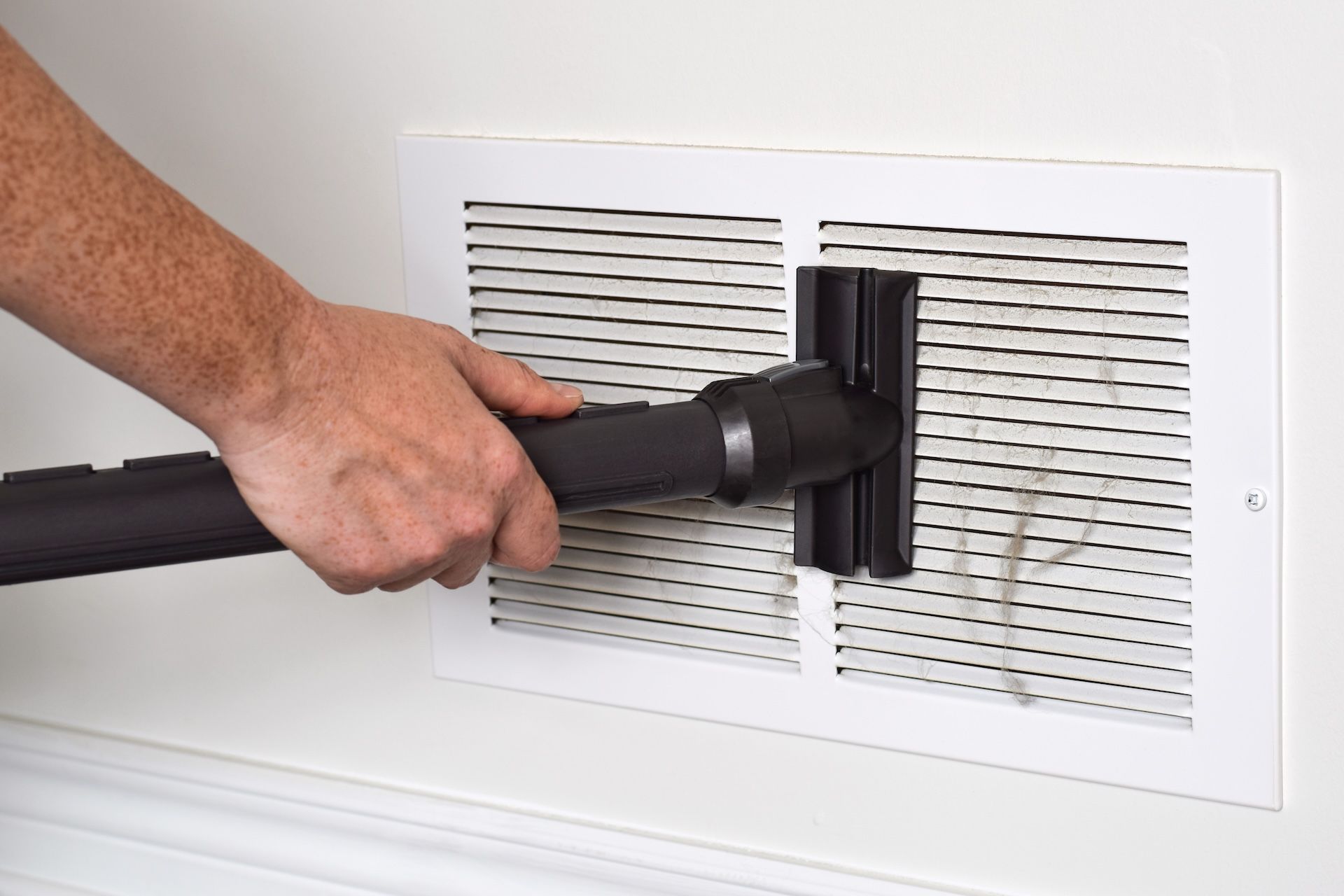
- Dust or debris near vents
- Increased indoor humidity
- Dark spotting around air vents
- Reduced airflow or uneven cooling
These signs often indicate moisture or contamination inside ducts or air handlers.
Addressing these symptoms early helps prevent larger remediation work later.
Hidden Areas Mold Often Develops
Mold inside HVAC systems frequently grows in locations that are difficult to see.
Inspectors often find mold in:
- Air handler compartments
- Evaporator coils
- Duct insulation
- Return ducts
- Attic ductwork exposed to humid air
Because these areas are enclosed, mold may spread for weeks before becoming noticeable.
Moisture detection tools and duct inspections help identify these hidden issues accurately.
Why DIY Cleaning Rarely Solves AC Mold Problems
Many property owners attempt to clean vents or replace filters when odors appear. While these steps are helpful for maintenance, they usually do not remove mold inside the system.
DIY cleaning often misses:
- Mold inside duct interiors
- Moisture sources causing condensation
- Humidity imbalances
- Contaminated insulation
Without addressing these factors, mold can return even after surface cleaning.
Professional cleaning focuses on both removal and prevention.
Professional AC Mold Cleaning Explained
A thorough AC mold cleaning service follows a structured process designed to restore both cleanliness and airflow.
Technicians typically:
- Inspect the HVAC system and ductwork
- Measure humidity and moisture levels
- Identify sources of condensation or water intrusion
- Clean and treat affected components
- Verify airflow and drying conditions
In Cocoa Beach and surrounding Brevard County communities, companies such as Palm Bay Mold Removal often combine AC mold cleaning with moisture detection and mold inspection to ensure the entire system is addressed properly.
This approach helps prevent mold from returning.
Repairs After AC Mold Cleaning
After cleaning, some repairs may be necessary to correct the conditions that caused mold growth.
Common repairs include:
- Replacing damp insulation
- Sealing or insulating ducts
- Repairing drain lines or pans
- Improving attic ventilation
Correcting these issues is essential to preventing future mold problems.
Professional Tips to Prevent Future AC Mold Problems
Property owners can take several practical steps to reduce the risk of mold developing after water damage.
Helpful tips include:
- Schedule HVAC inspections annually
- Clean condensate drain lines regularly
- Replace air filters on schedule
- Maintain attic ventilation
- Monitor indoor humidity levels
- Address water damage immediately
These preventive steps help reduce moisture buildup and extend the life of HVAC systems.
Water Damage Restoration and HVAC Systems
After flooding or leaks, HVAC systems should always be inspected as part of restoration.
Moisture can enter systems through:
- Damp attic insulation
- Wet ceilings near vents
- High indoor humidity after flooding
- Condensation buildup during drying
Inspecting ducts and air handlers ensures moisture is not circulating through the home after restoration.
Indoor Air Quality Benefits of AC Mold Cleaning
Cleaning mold from HVAC systems does more than remove odors. It also improves overall indoor air quality.
Benefits often include:
- Reduced airborne contaminants
- Improved airflow
- Better humidity control
- More consistent indoor comfort
For rental properties and frequently occupied homes, these improvements can significantly enhance living conditions.
Why Local Experience Matters
AC mold problems in coastal Florida differ from those in drier climates. High humidity, salt air, and long cooling seasons create conditions where moisture accumulates quickly and drying takes longer.
Professionals working in Cocoa Beach, Palm Bay, and Rockledge understand:
- Typical duct layouts in local homes
- Seasonal humidity patterns
- Common condensation points in HVAC systems
- Effective drying and cleaning methods
Local experience helps ensure cleaning and repairs are effective and long-lasting.
A Practical Next Step for Property Owners
Water damage can leave hidden moisture inside HVAC systems long after visible repairs are complete. Ignoring this moisture increases the risk of mold growth, odors, and indoor air quality problems.
AC mold cleaning helps restore clean airflow, protect HVAC equipment, and prevent future damage. With regular inspections, proper ventilation, and timely maintenance, homes in Cocoa Beach can remain comfortable, efficient, and free from recurring mold issues.