AC Mold Cleaning in West Melbourne in Humid Summers: Professional Tips for Property Owners
Humid summers in West Melbourne create ideal conditions for moisture-related problems inside homes, especially in air conditioning systems. Air conditioners run longer during hot months, and the combination of heavy use, high humidity, and condensation can allow mold to develop inside air handlers, ducts, and surrounding insulation.
AC mold cleaning becomes especially important during the summer because mold inside HVAC systems can spread odors and airborne particles throughout the entire home. Knowing the early warning signs and understanding how inspection and cleaning work can help property owners protect indoor air quality and avoid costly repairs.
Why AC Systems Are Vulnerable During Humid Summers
Air conditioning systems naturally remove moisture from indoor air. As warm air passes over cold evaporator coils, condensation forms and drains away through a condensate line. During humid summers, the amount of condensation increases, and any drainage or airflow problem can lead to moisture buildup.
Mold may develop when:
- Condensate drain lines become clogged
- Drain pans hold standing water
- Duct insulation becomes damp
- Air handlers are exposed to humid attic air
- Filters and coils collect dust and moisture
These conditions are more likely during extended periods of high humidity.
Why Homes in West Melbourne Face Higher Mold Risks
West Melbourne and nearby communities such as Palm Bay, Melbourne, and Satellite Beach share environmental factors that increase mold risks during summer.
High humidity levels
Moist air slows drying and allows condensation to remain longer.
Frequent afternoon storms
Storms increase indoor humidity and may introduce small roof or attic leaks.
Warm temperatures
Heat accelerates mold growth once moisture is present.
Continuous AC operation
Long cooling cycles increase condensation production and stress drainage components.
Because HVAC systems run almost constantly in summer, even small maintenance issues can quickly lead to mold growth.
Early Warning Signs You Should Not Ignore
Mold inside AC systems often develops gradually, and early warning signs may appear before visible contamination spreads.
Homeowners commonly notice:
- Musty odors when the AC starts running
- Reduced airflow or uneven cooling
- Increased indoor humidity
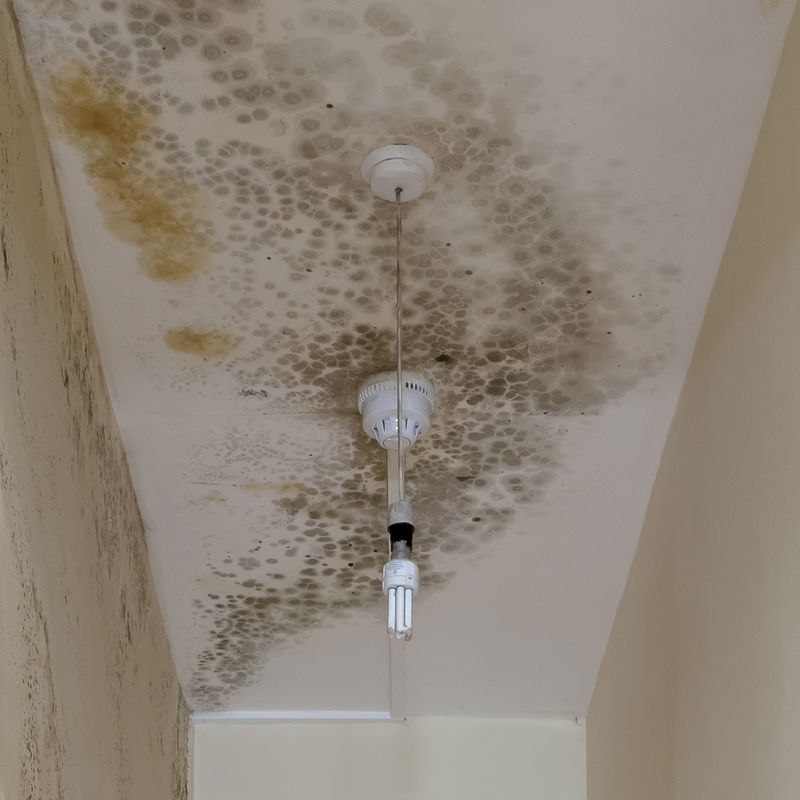
- Dark staining around vents
- Condensation forming near registers or ducts
These signs often indicate moisture buildup inside the HVAC system or nearby ductwork.
Hidden Areas Where Mold Develops in AC Systems
Many mold problems occur in areas that are not easily visible without inspection.
Evaporator coils and drain pans
Standing water and dust can create ideal conditions for mold growth.
Duct interiors
Condensation and debris inside ducts allow mold to develop and spread.
Attic duct insulation
Ducts exposed to humid attic air may sweat, dampening insulation.
Air handler compartments
Moisture buildup can affect internal components and insulation.
Professional inspections often reveal mold in these hidden areas even when vents appear clean.
Why DIY Cleaning Usually Doesn’t Solve the Problem
Some homeowners attempt to clean visible mold around vents or wipe accessible parts of the AC system. While this may improve appearance temporarily, it rarely resolves the underlying issue.
DIY cleaning often fails because:
- Internal components remain untreated
- Moisture sources are not corrected
- Household cleaners cannot safely clean coils or ducts
- Mold may continue growing in hidden areas
Professional cleaning focuses on removing contamination and correcting moisture conditions.
Professional AC Mold Inspection and Cleaning
A professional AC mold cleaning service begins with a thorough inspection to determine where moisture and contamination are present.
Technicians typically:
- Inspect air handlers, coils, and drain pans
- Check condensate lines for blockages or slow drainage
- Examine ducts and insulation for moisture
- Measure indoor humidity levels
- Inspect attic areas and surrounding structures
Cleaning may include removing debris, cleaning internal components, flushing drain lines, and drying affected areas. In some cases, wet insulation or filters may need replacement.
Professionals experienced in West Melbourne homes understand how humidity affects HVAC systems and can identify common problems quickly.
Water Damage and Moisture Sources That Contribute to AC Mold
AC mold problems often develop after small water events that increase indoor humidity.
Common contributing factors include:
- Roof leaks after storms
- Plumbing leaks near HVAC systems
- Poor attic ventilation
- High indoor humidity from poor airflow
Addressing these issues early helps prevent mold from returning after cleaning.
Palm Bay Mold Removal and similar regional specialists often emphasize that correcting moisture sources is essential for long-term results.
HVAC Maintenance and Indoor Air Quality
Air conditioning systems play a major role in maintaining indoor air quality. When mold develops inside ducts or air handlers, odors and airborne particles can circulate throughout the home.
Routine HVAC maintenance helps prevent these problems by:
- Keeping coils and filters clean
- Ensuring condensate drains function properly
- Maintaining proper airflow
- Reducing dust and debris buildup
Regular inspections also help detect early signs of moisture problems.
Preventing AC Mold During Humid Summers
Homeowners in West Melbourne can reduce the risk of mold growth by taking preventive steps:
- Schedule annual HVAC inspections
- Replace filters regularly
- Keep condensate drain lines clear
- Monitor indoor humidity levels
- Improve attic ventilation
- Inspect duct insulation periodically
Preventive maintenance is often the most effective way to avoid mold problems.
Why Local Experience Matters
AC mold cleaning in coastal Florida requires an understanding of local weather patterns, humidity cycles, and building design. Homes in West Melbourne, Rockledge, Titusville, and Merritt Island often face similar environmental challenges.
Professionals familiar with the region understand:
- How humidity affects HVAC performance
- Where condensation commonly forms
- Which preventive steps work best in Florida homes
Palm Bay Mold Removal and other experienced local providers often tailor inspections and cleaning methods to these conditions, helping homeowners achieve reliable, long-lasting results.
A Practical Next Step for Property Owners
If you notice musty odors, condensation, or airflow issues during the summer, scheduling an AC inspection is a practical step. Early cleaning and maintenance help prevent mold from spreading, protect indoor air quality, and keep cooling systems operating efficiently.
With proper inspections, timely repairs, and routine maintenance, homeowners in West Melbourne can reduce the risk of AC mold—even during the most humid parts of the year.