
AC Mold Cleaning in Rockledge After Plumbing Leaks: A Local Homeowner Guide
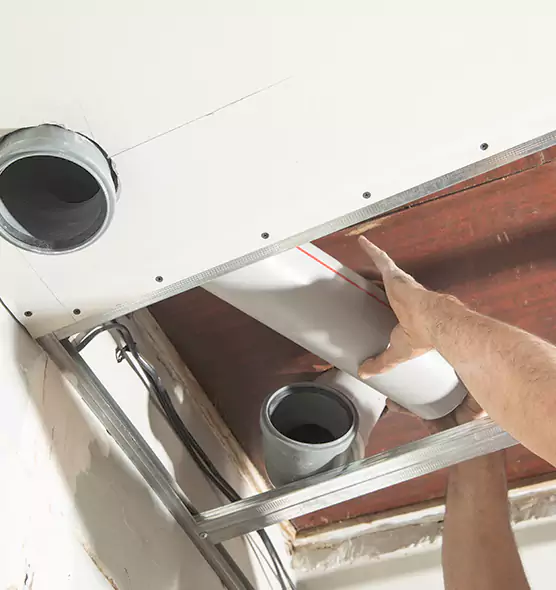
Plumbing leaks in Rockledge homes often lead to hidden moisture problems that can affect heating, ventilation, and air conditioning (HVAC) systems. One of the most common yet overlooked consequences is mold growth inside air conditioning units and ductwork. Moisture from leaks can accumulate in coils, drain pans, or duct systems, creating the perfect environment for mold spores to thrive.
For homeowners, AC mold cleaning is a critical step in restoring indoor air quality, protecting HVAC performance, and preventing health issues. This guide provides a step-by-step explanation of AC mold cleaning in Rockledge, highlighting causes, warning signs, professional processes, and preventive strategies.
Understanding AC Mold After Plumbing Leaks
Mold thrives in dark, damp, and nutrient-rich environments. AC systems can provide all three conditions after a plumbing leak:
- Condensation accumulation: Even small leaks or high indoor humidity can cause moisture to settle in the AC system.
- Air circulation: Ducts can distribute mold spores throughout the home.
- Organic material: Dust, insulation fibers, and debris provide a food source for mold.
Left untreated, mold growth can reduce HVAC efficiency, cause unpleasant odors, and affect indoor air quality.
Why Rockledge Homes Are Susceptible
Several local factors contribute to mold growth in AC systems after plumbing leaks:
- High Humidity: Coastal Florida humidity increases moisture retention in HVAC systems.
- Older Plumbing Systems: Leaks or slow drips behind walls and under sinks are common in older homes.
- Poor Ventilation: Inadequate airflow in ducts allows moisture to stagnate.
- HVAC Maintenance Gaps: Units with clogged filters, uncleaned coils, or blocked drainage are more likely to harbor mold.
- Storms and Heavy Rain: Rainwater infiltration can exacerbate plumbing issues and indoor moisture.
Understanding these conditions helps homeowners prioritize AC inspections and mold cleaning after leaks.
Early Warning Signs
Homeowners should watch for indicators of mold in AC systems:
- Musty or mildew odors when the HVAC system runs
- Visible black or green mold around vents, registers, or AC coils
- Reduced airflow or unusual HVAC noises
- Increased allergy or respiratory symptoms among residents
- Water pooling in the AC drain pan or around duct connections
Prompt attention prevents the spread of spores and protects indoor air quality.
Hidden or Overlooked Mold Sources
Mold can grow in areas that are difficult to access or see:
- Air Handler Units: Coils, drip pans, and internal components often harbor moisture.
- Ductwork: Horizontal ducts and joints can trap condensation and debris.
- Return Air Vents: Moisture carried from plumbing leaks can settle here unnoticed.
- Flexible Ducts: Collapsible ducts may hold water or trap mold spores inside.
Professional inspection with cameras and moisture sensors ensures thorough identification of contamination.
Why DIY AC Mold Cleaning Often Fails
Homeowners sometimes attempt to clean AC systems themselves using household cleaners or vacuum attachments. While these methods may remove superficial dust, they often fail to:
- Reach all affected areas within the ductwork
- Eliminate mold growing in coils or drain pans
- Properly remove spores without spreading them
- Restore safe indoor air quality
Improper cleaning can worsen contamination and damage HVAC components.
Professional AC Mold Cleaning Process
AC mold cleaning involves a structured, multi-step approach:
Step 1: Inspection and Assessment
- Technicians inspect HVAC units, ductwork, and registers using cameras and moisture meters
- Identify affected areas and moisture sources, including plumbing leaks
Step 2: Containment
- Isolate contaminated sections to prevent mold spores from spreading to other areas
- Use negative air pressure and HEPA filtration during cleaning
Step 3: Cleaning and Removal
- Specialized brushes and vacuum systems remove mold and debris from ducts
- Coils, drip pans, and air handler components are cleaned and disinfected with antimicrobial solutions
Step 4: Drying
- Industrial air movers and dehumidifiers dry ducts and AC components thoroughly
- Ensures mold does not return due to residual moisture
Step 5: Verification
- Technicians re-inspect ducts and HVAC components to confirm mold removal
- Airflow and indoor air quality are tested before returning the system to normal operation
Preventive Measures for Rockledge Homeowners
Preventing mold in AC systems reduces the need for frequent cleanings and protects indoor air quality:
- Regular HVAC Maintenance: Clean filters, inspect coils, and ensure proper drainage.
- Prompt Leak Repairs: Address plumbing leaks immediately to prevent moisture accumulation.
- Improve Ventilation: Use exhaust fans and maintain proper airflow in ducts.
- Monitor Humidity: Keep indoor humidity below 50% using dehumidifiers if needed.
- Periodic Professional Inspections: Schedule routine inspections of ductwork and air handlers, especially after water events.
Proactive steps minimize the risk of mold growth and enhance system efficiency.
Costs of AC Mold Cleaning
Costs vary depending on several factors:
- Size and complexity of the duct system
- Extent of mold contamination
- Accessibility of air handlers and ductwork
- Additional repairs needed to address plumbing leaks or HVAC issues
Professional assessments help homeowners prioritize cleaning and ensure a thorough, safe process.
Why Local Expertise Matters
Rockledge homeowners face specific challenges:
- High humidity and heavy rainfall during the rainy season
- Older homes with aging plumbing and HVAC systems
- Risk of hidden mold in ducts, coils, and crawl spaces
Local professionals understand these conditions, providing tailored inspection, cleaning, and prevention strategies suited to Rockledge homes.
Calm, Trust-Based Call to Action
Plumbing leaks can create hidden mold problems in AC systems, compromising indoor air quality and HVAC efficiency in Rockledge homes. Professional AC mold cleaning, including inspection, drying, and disinfection, ensures safe airflow and prevents further contamination. Timely intervention protects both your property and the health of your household.