AC Mold Cleaning in Merritt Island in Commercial Buildings: Inspection and Repair Guide
Commercial buildings in Merritt Island depend heavily on air conditioning systems. Offices, medical suites, retail stores, and mixed-use properties run HVAC systems almost year-round to keep indoor spaces comfortable. When moisture builds up inside these systems, mold growth can develop in coils, drain pans, ducts, and air handlers.
Unlike residential problems, mold in commercial AC systems can spread quickly because air circulates through larger duct networks and multiple zones. That’s why inspection and proper cleaning are essential—not just for cleanliness, but for protecting the building, equipment, and indoor air quality.
This guide explains how AC mold problems are inspected, cleaned, and repaired in commercial buildings across Merritt Island and nearby Brevard County communities.
Understanding AC Mold in Commercial Properties
Mold in HVAC systems usually develops when three conditions are present:
- Moisture from condensation
- Dust or organic debris inside the system
- Limited airflow or poor drainage
In Merritt Island’s coastal climate, high humidity makes condensation unavoidable. When drain lines clog or insulation deteriorates, moisture stays inside the system long enough for mold to grow.
Commercial systems are especially vulnerable because:
- Units operate longer hours
- Duct systems are larger and harder to inspect
- Maintenance schedules are sometimes delayed
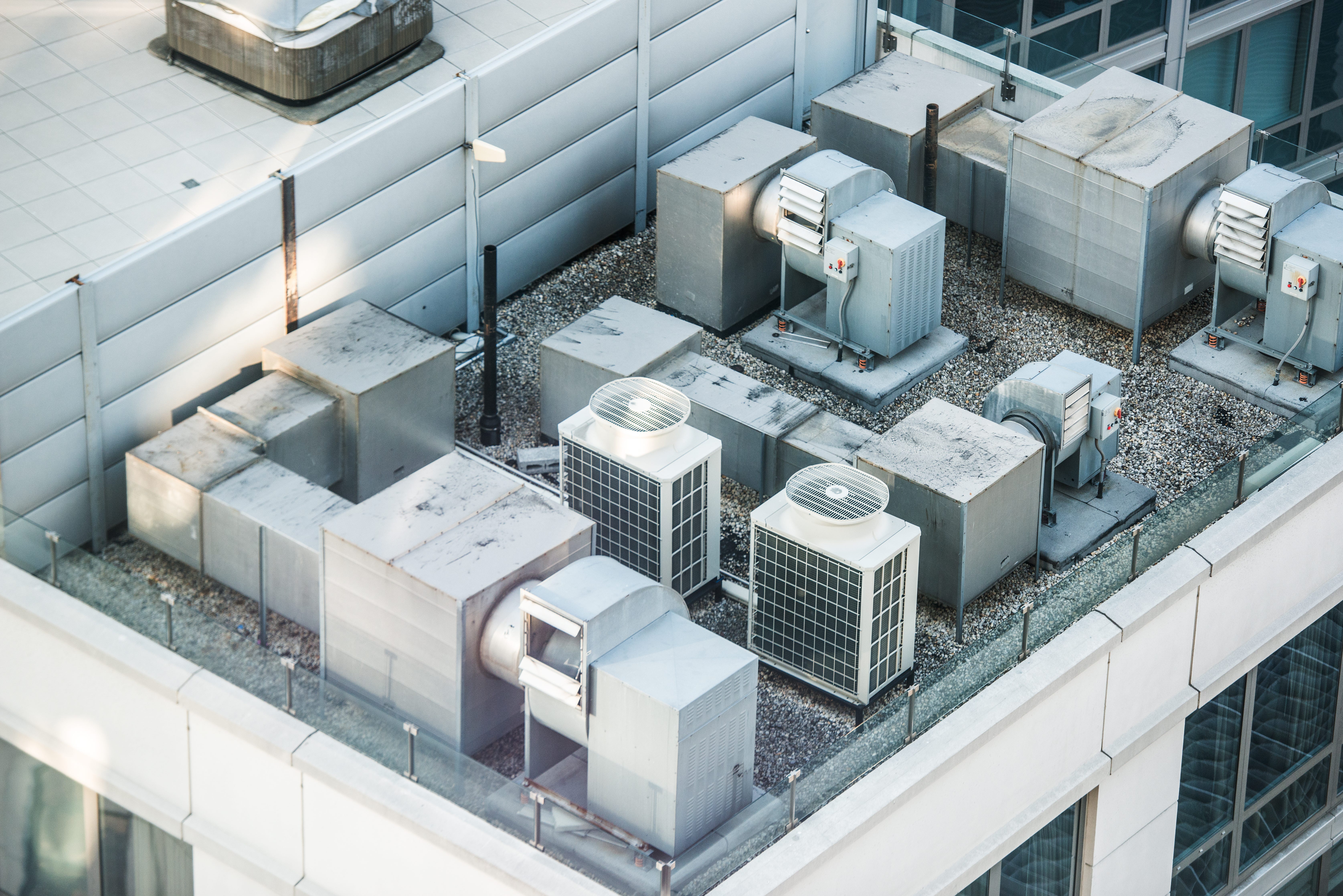
- Rooftop units are exposed to heavy rain and heat
Over time, mold can affect airflow, efficiency, and indoor comfort.
Why Mold Develops So Often in Merritt Island
Buildings in Merritt Island, Cocoa Beach, Rockledge, and Satellite Beach face similar environmental challenges:
- High humidity year-round
- Salt air affecting equipment and metal components
- Heavy seasonal rains and storms
- Warm temperatures that accelerate microbial growth
In commercial structures, roof penetrations, aging insulation, and rooftop HVAC units can also allow moisture intrusion. Even a small drainage issue can create a damp environment inside an air handler or duct system.
Early Signs Building Owners and Managers Notice
Mold in HVAC systems often shows subtle warning signs before it becomes obvious:
- Musty odors when the AC starts
- Uneven cooling or airflow
- Increased humidity indoors
- Dark buildup near vents or diffusers
- Complaints about air quality in certain areas
Because commercial spaces are larger, the problem may appear in only one zone at first, which sometimes delays investigation.
Recognizing these early indicators helps prevent contamination from spreading.
Hidden Sources of Moisture in Commercial HVAC Systems
A proper inspection focuses on the causes of moisture, not just visible mold. Common hidden sources include:
- Clogged condensate drain lines
- Cracked or rusted drain pans
- Dirty evaporator coils holding moisture
- Poorly insulated ductwork in humid attics or ceiling cavities
- Air leaks pulling humid outdoor air into the system
In larger commercial buildings, duct connections and rooftop units are frequent problem areas, especially after storms.
Why Surface Cleaning Alone Doesn’t Work
Some building maintenance teams attempt to wipe visible mold or spray disinfectants inside accessible areas. While this may improve appearance temporarily, it rarely solves the problem because:
- Mold often exists deeper in coils or duct lining
- Moisture sources remain unresolved
- Spores spread through airflow
True AC mold cleaning requires inspection, moisture correction, and cleaning methods designed for HVAC systems.
Without addressing the cause, mold usually returns.
Step-by-Step HVAC Mold Inspection Process
Professional inspection follows a systematic approach to identify both contamination and the source of moisture.
1. Visual System Evaluation
Air handlers, coils, and accessible duct sections are inspected for visible growth, corrosion, or standing water.
2. Moisture Measurement
Technicians check humidity levels, drain function, and condensation patterns.
3. Airflow and Ventilation Assessment
Restricted airflow can cause coils to stay damp longer, increasing mold risk.
4. Duct and Vent Inspection
Supply and return ducts are examined for debris, buildup, or insulation damage.
5. Identification of Contributing Factors
Roof leaks, insulation gaps, or mechanical issues may be contributing to the problem.
This inspection helps determine whether cleaning alone is sufficient or if repairs are necessary.
The AC Mold Cleaning Process
Once the inspection is complete, cleaning can begin. The goal is to remove contamination safely without damaging sensitive HVAC components.
Typical steps include:
- Cleaning coils and drain pans
- Removing buildup inside accessible ductwork
- Cleaning blower components and air handler interiors
- Clearing and flushing drain lines
- Applying appropriate antimicrobial treatments where needed
In commercial buildings, containment measures may be used to prevent spores from spreading during cleaning.
Cleaning restores airflow and helps prevent odors from circulating through the system.
Repair Work That May Be Needed
In many cases, mold growth is a symptom of a mechanical or structural issue. Repairs may include:
- Replacing damaged insulation around ducts
- Repairing or replacing rusted drain pans
- Sealing duct leaks
- Improving condensate drainage
- Correcting airflow imbalances
Without these repairs, even a thoroughly cleaned system can develop mold again.
The Role of Water Damage Restoration
Sometimes HVAC mold is linked to larger moisture problems in the building, such as:
- Roof leaks affecting ceiling cavities
- Flooding or plumbing leaks saturating insulation
- Condensation forming in poorly ventilated spaces
When this occurs, water damage restoration may be necessary to dry surrounding materials and prevent recurring contamination.
Drying and dehumidification are critical steps before repairs are completed.
Preventing Mold in Commercial HVAC Systems
Regular maintenance is the most effective way to reduce mold risk. Building owners and managers can help by:
- Scheduling routine HVAC inspections
- Cleaning or replacing filters regularly
- Flushing condensate lines
- Monitoring indoor humidity levels
- Checking rooftop units after storms
Preventive maintenance costs far less than large-scale remediation or equipment replacement.
Why Local Experience Matters
Commercial HVAC systems in Merritt Island operate under conditions very different from inland buildings. Salt air, high humidity, and intense summer heat all affect how equipment performs and how moisture behaves.
Companies familiar with Brevard County properties understand where moisture typically develops and how to correct it efficiently. Palm Bay Mold Removal has experience working with commercial buildings throughout Merritt Island, Melbourne, Rockledge, and nearby communities, focusing on thorough inspections and practical solutions rather than temporary fixes.
Local knowledge helps identify issues quickly and minimize disruption to business operations.
A Practical Next Step for Building Owners
If you notice musty odors, airflow changes, or recurring moisture near vents, scheduling a professional HVAC inspection is a sensible first step. Early cleaning and repairs can prevent larger problems, improve system efficiency, and protect indoor air quality.
AC mold cleaning is not just about appearance—it’s about correcting moisture conditions, restoring airflow, and maintaining a healthy environment for everyone who uses the building.