
AC Mold Cleaning in Merritt Island During Rainy Season: Step‑by‑Step Process Explained
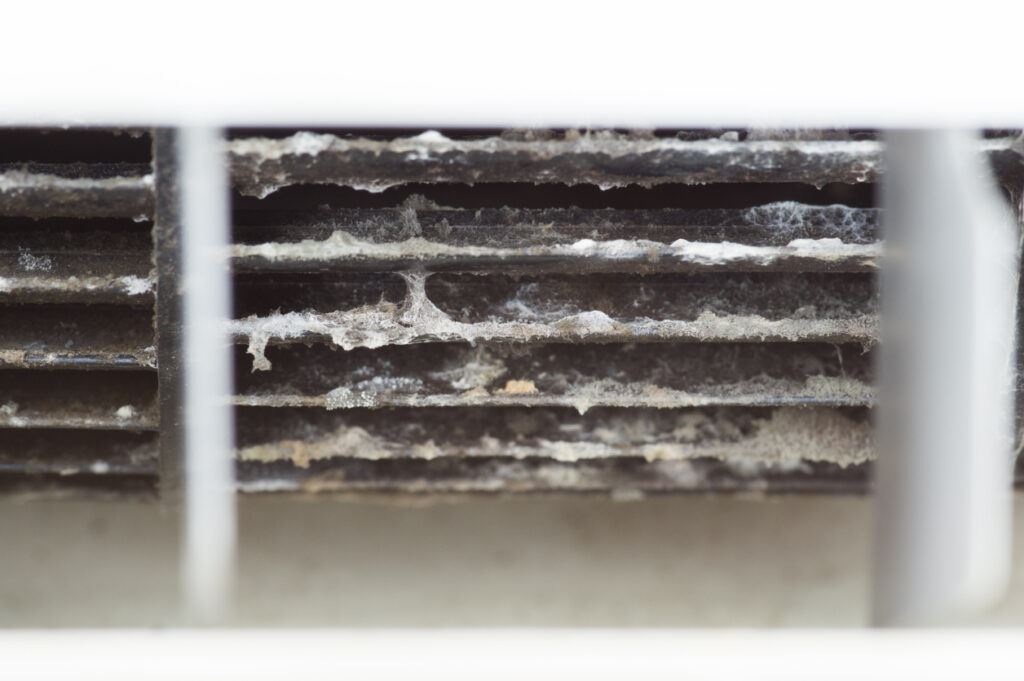
The rainy season in Merritt Island brings increased humidity, frequent storms, and heavy rainfall. While many homeowners focus on potential water leaks or roof damage during this time, one issue that often goes unnoticed is mold growth in air conditioning systems. AC units and ductwork provide a warm, moist environment that allows mold spores to thrive, affecting indoor air quality, health, and system efficiency.
Regular AC mold cleaning is essential during the rainy season to prevent contamination, maintain performance, and protect your home from mold-related problems. This guide explains the causes of AC mold, the risks it poses, the step-by-step cleaning process, costs, and preventive strategies for homeowners in Merritt Island.
Why AC Units Are Susceptible to Mold
Air conditioning systems in humid climates like Merritt Island are naturally prone to mold for several reasons:
- Condensation Build-Up: Evaporator coils cool air, causing moisture to condense. If drainage is slow or blocked, water accumulates.
- High Humidity Levels: Rainy season brings elevated humidity, which promotes microbial growth inside ducts and on AC components.
- Limited Airflow: Poorly maintained ducts or clogged filters reduce airflow, creating stagnant areas that are ideal for mold.
- Organic Debris: Dust, pollen, and other organic particles inside ducts act as a food source for mold.
Even a small amount of trapped moisture can quickly lead to mold colonization, sometimes within 24–48 hours under optimal conditions.
Risks of Mold in AC Systems
Mold growth in AC units and ducts has several consequences:
- Health Risks: Exposure to airborne mold spores can trigger allergies, asthma, respiratory irritation, and other health problems. Children, the elderly, and those with respiratory conditions are particularly vulnerable.
- Reduced Air Quality: Contaminated ducts circulate spores and odors throughout the home.
- System Inefficiency: Mold accumulation on coils and filters reduces airflow and cooling efficiency.
- Structural Damage: Excessive condensation can drip into walls, ceilings, or insulation, causing damage.
- Unpleasant Odors: Musty smells often indicate microbial growth within the system.
Warning Signs of AC Mold
Homeowners should be aware of common indicators:
- Persistent musty or mildew odor when the system runs
- Visible mold growth around vents or air returns
- Increased allergy or respiratory symptoms among household members
- Reduced airflow or unusual noises
- Water stains near the AC unit or ductwork
Early identification allows homeowners to address mold before it spreads throughout the home.
Step‑by‑Step AC Mold Cleaning Process
Cleaning AC systems requires specialized equipment and expertise to remove mold safely and effectively. Here is a detailed step-by-step process:
Step 1: System Inspection
Technicians inspect the entire AC system, including:
- Air handler and evaporator coils
- Condensate drain pans and lines
- Ductwork and air vents
- Filters and blower components
This assessment identifies areas affected by mold and determines the cleaning approach.
Step 2: Turn Off the System
The AC system is powered down to prevent spores from circulating during the cleaning process.
Step 3: Containment and Safety Measures
Technicians use protective equipment such as gloves, masks, and eye protection. Containment barriers may be installed to prevent spores from spreading into living spaces.
Step 4: Remove and Replace Filters
Air filters are removed and replaced. If reusable filters are present, they are cleaned with antimicrobial solutions to remove mold.
Step 5: Clean Coils and Drain Pans
Evaporator coils and condensate pans are carefully cleaned with antimicrobial and disinfectant solutions. Proper drainage is ensured to prevent future moisture accumulation.
Step 6: Air Duct Cleaning
Specialized brushes, vacuums, and compressed air tools remove dust, debris, and mold from ducts. HEPA-filtered vacuum systems prevent spores from re-entering the home.
Step 7: Apply Antimicrobial Treatments
After cleaning, technicians apply EPA-approved antimicrobial solutions to ducts, coils, and other susceptible components to inhibit mold regrowth.
Step 8: System Testing
The AC system is restarted to ensure proper airflow, cooling efficiency, and that odors have been eliminated. Moisture levels are checked in critical areas.
Step 9: Post-Cleaning Verification
Technicians may perform air sampling or visual inspection to confirm that mold has been effectively removed and that the system is safe for occupancy.
Costs of AC Mold Cleaning in Merritt Island
Cleaning an AC system during the rainy season can vary in cost depending on the size of the system and severity of contamination:
- Basic duct cleaning: $400–$800
- Full system cleaning with coils and drain pans: $600–$1,200
- Antimicrobial treatment: $150–$400
- HEPA air scrubbers for severe contamination: $200–$600
While costs can add up, cleaning AC units prevents health risks, improves system efficiency, and avoids expensive mold remediation later.
Preventive Strategies for Homeowners
Preventing AC mold is just as important as cleaning. Homeowners can reduce the risk with the following strategies:
- Regular Maintenance: Schedule annual HVAC inspections and cleanings.
- Replace Air Filters Frequently: Check filters every 1–3 months and replace as needed.
- Ensure Proper Drainage: Keep condensate pans and lines clear to prevent standing water.
- Maintain Humidity Levels: Use dehumidifiers during the rainy season to maintain indoor humidity below 60%.
- Seal Duct Leaks: Prevent outside moisture from entering the system.
- Use UV Lights: Installing ultraviolet lights in the air handler can inhibit microbial growth on coils and drain pans.
Real-Life Example
A Merritt Island homeowner noticed a musty smell coming from their AC system during peak rainy season. A professional inspection revealed mold on the evaporator coils and inside ductwork. The cleaning process included coil disinfection, duct cleaning, filter replacement, and antimicrobial treatment. After the service, the homeowner reported improved air quality, elimination of odors, and better cooling efficiency. Early intervention prevented further contamination and costly repairs to ceiling and insulation damage that could have resulted from unchecked mold growth.
Choosing a Professional AC Mold Cleaning Service
When selecting a service provider in Merritt Island, consider:
- Licenses and certifications specific to HVAC and mold remediation
- Experience with humid, coastal climates
- Advanced cleaning equipment (HEPA vacuums, antimicrobial solutions, UV lights)
- Post-cleaning verification and air quality testing
- Transparent pricing and detailed reports
Avoid DIY cleaning for severe mold infestations, as improper handling can spread spores and worsen contamination.
Long-Term Benefits of AC Mold Cleaning
Investing in professional AC mold cleaning provides multiple long-term advantages:
- Healthier indoor air quality
- Reduced allergy and asthma symptoms
- Increased HVAC efficiency
- Prevention of costly structural and duct damage
- Improved comfort during Florida’s rainy season
- Protection against musty odors and microbial contamination
Conclusion
Mold growth in AC systems is a serious concern for homeowners in Merritt Island, especially during the rainy season. Hidden moisture in ducts, coils, and drain pans creates ideal conditions for microbial growth, which can affect health, reduce system efficiency, and cause property damage.
Professional AC mold cleaning, performed using a systematic, step-by-step approach, ensures that all contaminated components are thoroughly cleaned, treated, and verified. Coupled with preventive maintenance strategies such as regular filter changes, humidity control, and duct inspections, this approach keeps homes safe, comfortable, and mold-free throughout the humid season.
Addressing AC mold promptly protects both the health of your household and the longevity of your HVAC system, making professional cleaning a critical part of home maintenance in Merritt Island.