
AC Mold Cleaning in Melbourne in Rental Properties: Early Signs You Should Not Ignore
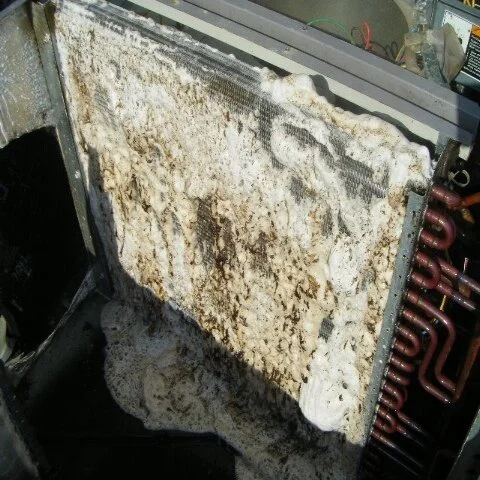
Rental properties in Melbourne face unique maintenance challenges due to Florida’s coastal climate. Heat, humidity, and year-round air conditioning use create conditions where moisture problems can easily develop inside HVAC systems. One of the most common issues in rental homes and apartments is mold growth caused by AC condensation and poor airflow.
Because tenants may not immediately recognize warning signs, mold contamination inside air conditioning systems often goes unnoticed until indoor comfort declines or odors appear. For landlords and property managers, early detection and proper AC mold cleaning help prevent tenant complaints, property damage, and costly repairs.
This guide explains how mold develops inside AC systems, the early signs property owners should watch for, and how professional cleaning prevents long-term problems in Melbourne rental properties.
Understanding AC Mold Problems in Rental Homes
Air conditioning systems cool indoor air by removing both heat and moisture. As warm air passes over cooling coils, condensation forms and drains through the system’s drain line.
When drainage or ventilation problems occur, moisture remains trapped inside the system. Dust and debris naturally accumulate in ducts and HVAC components, and when combined with moisture, mold can begin growing.
Once mold develops inside the system, spores circulate through air ducts and spread into living spaces. In rental properties, this often leads to complaints about odors or indoor discomfort rather than visible mold.
Because HVAC systems are hidden from view, contamination may continue for months before being discovered.
Why AC Mold Issues Are Common in Melbourne Rentals
Homes and rental units in Melbourne and surrounding communities like Palm Bay, Viera, Rockledge, and Satellite Beach face ongoing humidity challenges due to Florida’s coastal climate.
Several local factors increase mold risks:
- High humidity levels most of the year
- Heavy seasonal rainstorms
- Frequent AC operation
- Older duct insulation in some properties
- Poor attic ventilation
- Crawl spaces with moisture buildup
- Tenant airflow restrictions from closed vents
- AC systems not regularly maintained
Rental properties may experience additional risks when HVAC maintenance is delayed between tenants or when airflow patterns change due to occupancy habits.
Even newer rental homes can develop condensation problems if systems are improperly sized or poorly ventilated.
Early Warning Signs Property Owners Should Not Ignore
AC mold contamination rarely becomes obvious right away. Instead, small signs gradually appear.
Property owners and tenants commonly report:
- Musty smells when the AC runs
- Rooms feeling humid or stuffy
- Increased dust accumulation around vents
- Allergy irritation indoors
- Visible staining near air vents
- Uneven cooling between rooms
- Condensation forming around vents
- Frequent AC cycling
In many cases, tenants simply complain that the home smells unpleasant or feels uncomfortable without knowing the cause.
Responding early prevents widespread contamination.
Hidden Areas Where Mold Often Develops
Mold caused by AC condensation frequently spreads into areas that tenants and owners rarely inspect.
Common hidden problem areas include:
- Inside air ducts
- Air handler compartments
- Insulation surrounding ducts
- Attic spaces where ducts run
- Crawl space ductwork
- Return air pathways
- Closet areas housing HVAC equipment
Moisture from condensation may also affect ceilings or walls near ducts.
Without inspection, contamination continues to grow unnoticed.
Why DIY Cleaning Rarely Solves the Problem
When tenants complain about odors or dust, some property owners attempt quick fixes. Unfortunately, these rarely address the root issue.
Common DIY attempts include:
- Cleaning visible vent covers
- Replacing filters frequently
- Spraying disinfectants into vents
- Running portable dehumidifiers
- Cleaning accessible surfaces only
While these actions may temporarily improve conditions, they do not remove buildup deep inside ducts or fix condensation problems.
In some cases, improper cleaning spreads mold spores further.
Professional cleaning ensures contamination is removed safely.
Professional Inspection Before Cleaning Begins
Proper mold cleaning starts with inspection, not immediate cleaning.
Technicians evaluate:
- Drain line performance
- Air handler condition
- Coil cleanliness
- Duct insulation quality
- Airflow balance
- Attic ventilation
- Humidity levels
- Signs of mold or debris buildup
Moisture detection tools help identify damp areas causing contamination.
This inspection ensures the real cause is corrected before cleaning begins.
Step-by-Step AC Mold Cleaning Process
Once contamination is confirmed, professionals follow a structured cleaning process.
Step 1: Moisture Source Correction
Drainage or airflow problems must be fixed first to prevent mold from returning.
Step 2: System Shutdown
HVAC systems are temporarily shut down to prevent contaminant spread.
Step 3: Containment Setup
Duct sections may be isolated to control dust movement.
Step 4: Vacuum Extraction
High-powered equipment removes debris and contaminants from ducts.
Step 5: Mechanical Cleaning
Specialized tools loosen buildup attached to duct surfaces.
Step 6: HVAC Component Cleaning
Air handlers, coils, and drain pans are cleaned thoroughly.
Step 7: Sanitization
If mold is present, safe antimicrobial treatments may be applied.
Step 8: System Testing
Airflow and humidity performance are tested before completion.
This process restores cleaner airflow and reduces contamination risks.
Additional Problems Linked to AC Mold
AC mold contamination often signals broader moisture issues.
Professionals may also address:
- Attic ventilation problems
- Crawl space humidity buildup
- Water intrusion near ceilings
- Mold remediation in walls
- Insulation replacement
- Moisture detection services
- AC system performance issues
Ignoring surrounding issues allows mold to return.
Preventing Future AC Mold Problems in Rentals
Rental property owners in Melbourne can reduce future mold risks through preventive maintenance.
Recommended steps include:
- Scheduling annual HVAC inspections
- Cleaning AC drain lines regularly
- Replacing filters between tenants
- Checking attic ventilation
- Sealing duct leaks
- Maintaining insulation around ducts
- Using dehumidifiers during humid months
- Inspecting systems after storms
- Monitoring tenant airflow habits
Routine maintenance prevents emergency repairs and tenant dissatisfaction.
Why Local Experience Matters
HVAC moisture problems in coastal Florida differ from those in inland regions.
Professionals familiar with Melbourne and Brevard County understand:
- Coastal humidity patterns
- Common attic ventilation challenges
- Storm-related moisture intrusion
- Construction styles affecting airflow
- AC performance challenges in Florida homes
Local companies such as Palm Bay Mold Removal regularly serve rental property owners across Melbourne and nearby communities, allowing them to quickly identify hidden moisture problems and recommend solutions suited to local properties.
Local expertise helps avoid recurring maintenance issues.
Acting Early Protects Rental Investments
Ignoring early warning signs of AC mold contamination often leads to larger restoration costs and tenant complaints. Addressing problems early protects both property value and indoor comfort.
If tenants report musty odors or humidity concerns, a professional inspection can help identify hidden moisture before serious contamination develops. Proper cleaning and preventive maintenance help rental properties remain comfortable and efficient despite Florida’s demanding climate.
Taking proactive action ensures rental homes in Melbourne continue providing safe, healthy living conditions while avoiding long-term repair expenses.
Image Prompt 1:
Realistic residential HVAC air handler and duct system in Melbourne rental property attic being professionally cleaned after mold contamination, natural lighting, clean environment, no people, no logos or text.
Image Prompt 2:
Interior ceiling air vent and ductwork undergoing professional cleaning after AC condensation mold buildup in rental property, realistic home environment, no people, no branding.
Image Prompt 3:
Attic ductwork with professional drying and cleaning equipment addressing moisture and mold contamination after ventilation problems, realistic textures, natural lighting, no people, no logos or text.