
AC Mold Cleaning in Cocoa Beach from AC Condensation: Early Signs You Should Not Ignore
In Cocoa Beach, air conditioning is not optional. It runs most of the year, especially during humid summer months when coastal air feels heavy even at night. While AC systems are designed to remove moisture from the air, they can also become a hidden source of mold problems when condensation is not properly managed.
AC mold cleaning in Cocoa Beach is most commonly needed when condensation builds up inside air handlers, drain pans, or duct systems. The challenge is that the early warning signs are easy to ignore. A faint odor. A little extra dust. Slightly higher humidity indoors. By the time visible staining appears, moisture has often been present for weeks.
Understanding the early signs of AC-related mold growth helps homeowners act before damage spreads.
Why AC Condensation Is a Bigger Issue in Cocoa Beach
Cocoa Beach sits directly along the Atlantic coastline. Humidity levels remain elevated almost year-round. Air conditioning systems work constantly to cool and dehumidify indoor air.
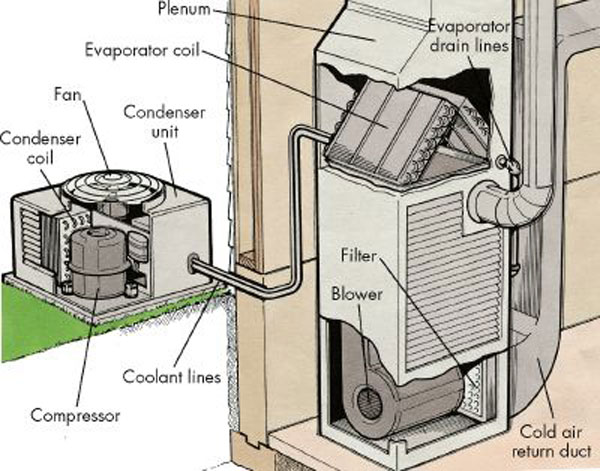
As warm, humid air passes over the evaporator coils inside the air handler, condensation forms naturally. That water should drain safely through a condensate line.
Problems begin when:
Drain lines clog
Drain pans overflow
Duct insulation deteriorates
Airflow becomes restricted
Attic heat increases condensation risk
In beachside homes, salt air exposure can accelerate wear on HVAC components, making regular inspection even more important.
Homes in nearby Satellite Beach and Merritt Island experience similar humidity patterns, but direct ocean exposure in Cocoa Beach adds extra stress on mechanical systems.
Early Warning Sign #1: Musty Odor When the AC Turns On
One of the earliest signs of AC-related mold is a musty smell when the system cycles on.
This odor often comes from:
Damp insulation inside ductwork
Standing water in the drain pan
Microbial buildup on evaporator coils
Moisture accumulation inside the air handler
If the smell fades after the system runs for a while, it is still worth investigating. Mold growth inside HVAC components can circulate particles throughout the home.
Early Warning Sign #2: Visible Staining Around Vents
Dark discoloration around supply vents may indicate moisture inside ductwork.
When condensation forms inside ducts, damp surfaces attract dust. Over time, staining appears around vent edges.
This is especially common in attic-installed duct systems where hot attic air meets cool conditioned air.
Ceiling staining beneath vents should never be dismissed as cosmetic.
Early Warning Sign #3: Elevated Indoor Humidity
If indoor humidity consistently stays above 60 percent despite the AC running, condensation problems may be developing.
Possible causes include:
Restricted airflow from dirty filters
Improperly sized HVAC systems
Clogged drain lines
Duct leakage in attic spaces
High indoor humidity increases condensation on duct surfaces and around vents, accelerating moisture buildup.
Early Warning Sign #4: Water Stains Near the Air Handler
Air handlers located in closets or garages may develop drain line clogs.
When condensate lines back up, water can overflow from the drain pan and leak into surrounding drywall or flooring.
Small stains near the air handler often signal a drain issue.
Ignoring these signs can lead to structural damage and mold growth inside walls.
Early Warning Sign #5: Increased Allergy-Like Symptoms Indoors
While mold concerns should never be overstated, some homeowners notice increased irritation indoors when HVAC contamination is present.
If symptoms improve when away from the home but return after the AC runs, inspection may be warranted.
Air circulation can distribute particles throughout living spaces.
Professional evaluation provides clarity and avoids assumptions.
What AC Mold Cleaning Involves
AC mold cleaning is not simply wiping down visible surfaces.
The process typically includes:
Inspecting evaporator coils
Cleaning and disinfecting drain pans
Clearing condensate drain lines
Evaluating duct insulation
Inspecting air handler components
Replacing filters
If mold contamination is extensive, containment and HEPA filtration may be used during cleaning.
Palm Bay Mold Removal often emphasizes that moisture correction is the first step. Cleaning without solving condensation problems leads to recurrence.
The Role of Moisture Detection
Moisture detection tools help identify hidden dampness inside walls or around duct systems.
Moisture meters measure drywall and insulation levels. Thermal imaging may reveal temperature differences indicating trapped moisture.
Even if no visible mold is present, elevated moisture readings can signal a developing issue.
Addressing moisture early prevents more complex remediation later.
Preventing Future AC Mold Problems
Prevention in Cocoa Beach requires consistent maintenance.
Inspect and clear drain lines regularly.
Replace air filters every 1–3 months.
Ensure attic duct insulation is intact.
Maintain indoor humidity below 60 percent.
Schedule annual HVAC inspections.
Upgrading attic ventilation can reduce extreme heat buildup, which contributes to condensation formation on duct surfaces.
In humid summer months, supplemental dehumidifiers may provide additional moisture control.
After Storm Season: Extra Precautions
Hurricanes and heavy storms increase attic humidity and may introduce roof leaks.
After major weather events, inspect attic spaces and HVAC components.
Moisture introduced during storms can compound existing condensation problems.
Routine post-storm inspection helps prevent hidden mold development.
Why Local Experience Matters
Coastal HVAC systems behave differently than inland units. Salt exposure, heavy humidity, and year-round AC use create unique stress patterns.
Professionals familiar with Cocoa Beach construction styles understand common duct placements, attic conditions, and drainage configurations.
Palm Bay Mold Removal has worked extensively throughout Cocoa Beach and neighboring coastal communities, addressing condensation-related mold concerns specific to this region.
Protecting Indoor Air in Coastal Homes
AC condensation is normal. Persistent moisture buildup is not.
By recognizing early warning signs — musty odors, vent staining, elevated humidity, and drain pan overflow — homeowners can address problems before mold spreads.
In Cocoa Beach’s humid environment, proactive HVAC maintenance protects both indoor air quality and structural integrity.
Acting early is always easier than correcting long-term moisture damage.