
A Local Homeowner Guide: Water Leak Detection in Satellite Beach After Plumbing Leaks
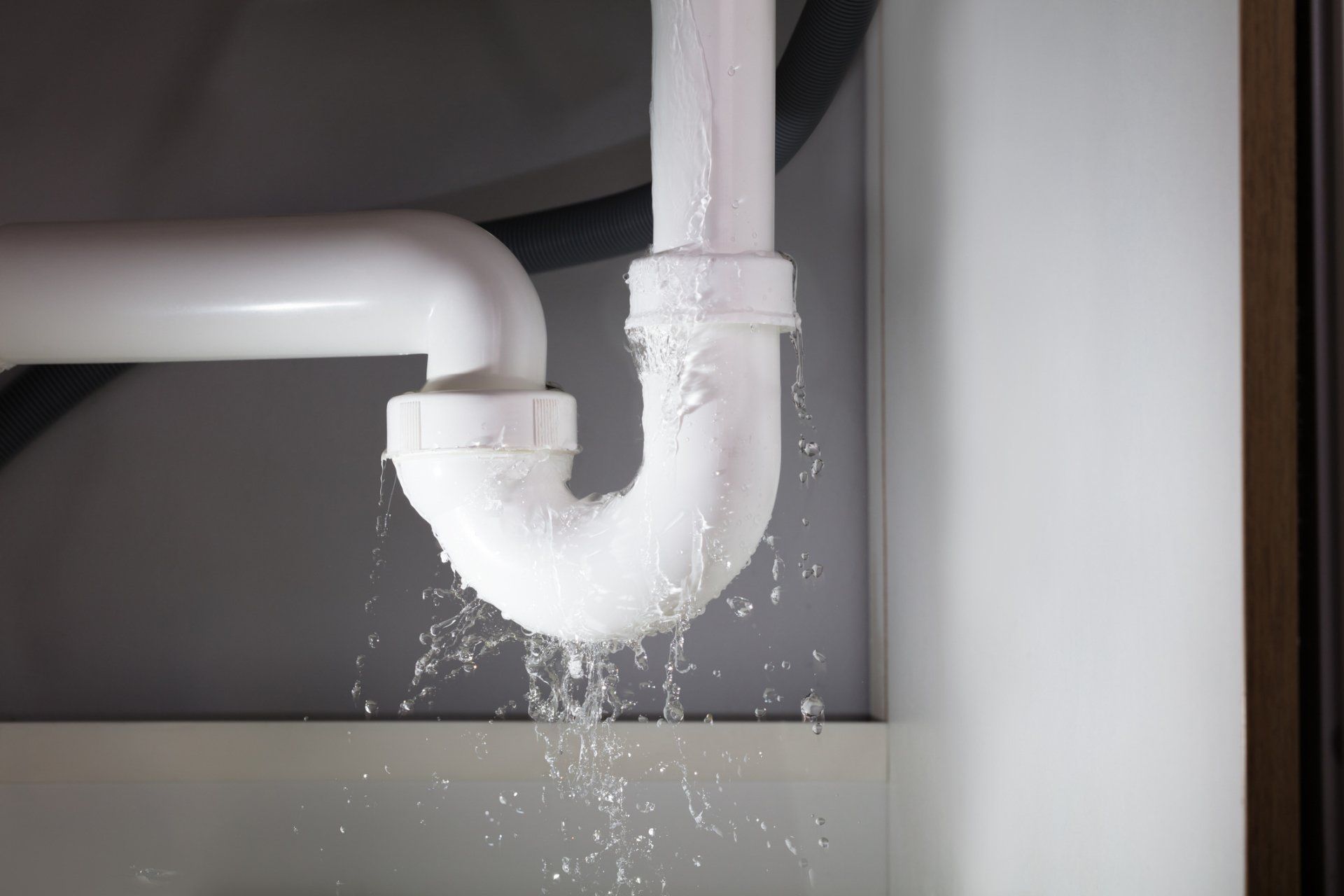
Plumbing leaks in Satellite Beach don’t always start with flooding. Many begin quietly — a loose fitting under a bathroom sink, a slow drip behind a washing machine, or a small slab leak beneath tile flooring. In Florida’s humid coastal climate, even minor leaks can spread moisture quickly through walls, flooring, and insulation.
Because humidity is already high in Satellite Beach, damp materials do not dry on their own the way they might in drier climates. What seems like a small plumbing issue can turn into a larger structural problem if moisture remains trapped.
Water leak detection after plumbing leaks is about more than finding the broken pipe. It’s about identifying how far moisture has traveled and preventing long-term damage.
Here’s what local homeowners should understand about the process.
Why Plumbing Leaks Are a Bigger Issue in Satellite Beach
Satellite Beach sits directly along the Atlantic coast. Coastal air brings constant humidity, and summer storms keep soil and foundations damp for extended periods.
When a plumbing leak occurs, added indoor moisture combines with:
High outdoor humidity
Warm temperatures
Limited natural drying
Coastal salt exposure affecting fittings
Homes in nearby Indian Harbour Beach and Cocoa Beach experience similar conditions. However, each property’s plumbing layout, slab design, and ventilation system determine how moisture spreads.
In slab-built homes common in Satellite Beach, plumbing often runs beneath flooring. When leaks occur below the surface, water can migrate upward before becoming visible.
Early Warning Signs You Should Not Ignore
Plumbing leaks rarely announce themselves loudly at first.
Watch for:
Musty odors in bathrooms or kitchens
Warped or soft baseboards
Tile flooring that feels warm in one area
Peeling paint near plumbing fixtures
Ceiling stains beneath upstairs bathrooms
Unexplained increases in water bills
Indoor humidity above 60 percent
Even small changes in wall texture or floor firmness may indicate hidden moisture.
Early detection significantly reduces restoration costs.
Step-by-Step Water Leak Detection Process
Step 1: Confirm the Plumbing Source
Before moisture detection begins, the plumbing issue must be fully repaired.
This may include:
Replacing damaged supply lines
Repairing slab leaks
Resealing toilet bases
Replacing water heater components
Tightening loose fittings
Leak detection should not begin until active water flow has stopped.
Palm Bay Mold Removal often verifies plumbing stabilization before performing full moisture mapping in Satellite Beach homes.
Step 2: Structured Visual Inspection
Inspection begins with a careful walkthrough.
Areas evaluated include:
Cabinet interiors
Baseboards
Floor transitions
Ceilings beneath bathrooms
Laundry rooms
Garage water heater areas
Visible staining helps guide deeper testing.
Water often travels farther than expected.
Step 3: Non-Invasive Moisture Scanning
Moisture meters scan drywall and flooring without opening walls.
This step:
Defines wet and dry boundaries
Identifies hidden dampness
Prevents unnecessary demolition
Surface dryness does not guarantee internal dryness.
Mapping provides a clear picture of moisture spread.
Step 4: Pinpoint Moisture Testing
Pin-type meters measure internal saturation levels in drywall and framing.
This determines:
If materials can be dried
If removal is necessary
How deeply water has penetrated
Accurate readings guide cost-effective repair decisions.
Step 5: Thermal Imaging
Thermal imaging detects temperature variations caused by hidden moisture.
This is especially helpful for:
Tracing slab leaks
Identifying damp insulation
Following water pathways behind walls
Thermal imaging narrows down precise areas requiring attention.
What Happens After Moisture Is Identified
Controlled Drying
If moisture remains, professional drying may include:
Commercial dehumidifiers
High-velocity air movers
Humidity monitoring
Airflow balancing
In Satellite Beach’s humid climate, dehumidification is essential.
Indoor humidity should remain below 60 percent.
Verification readings confirm stability before reconstruction begins.
Selective Material Removal
If drywall or insulation cannot dry effectively, selective removal may be required.
Removing only affected sections limits repair costs.
Leaving saturated materials increases mold risk.
Slab Leak Considerations
Many Satellite Beach homes are built on concrete slabs.
When plumbing leaks occur beneath the slab, moisture can migrate upward into:
Tile flooring
Lower drywall sections
Baseboards
Professional moisture detection confirms whether slab-related dampness remains after repairs.
Ignoring slab moisture can lead to long-term flooring damage.
Mold Risk After Plumbing Leaks
Florida’s warm, humid climate creates ideal conditions for mold if materials remain damp beyond 24 to 48 hours.
Prompt moisture detection and drying reduce this risk significantly.
If drying is delayed, further inspection may be recommended.
Early response prevents larger remediation projects.
Preventing Future Plumbing-Related Moisture Issues
Satellite Beach homeowners can reduce future risk by:
Inspecting supply hoses annually
Replacing aging plumbing proactively
Installing water detection sensors under sinks
Monitoring water bills monthly
Maintaining consistent water pressure
Checking water heater connections regularly
Encouraging quick response to even small moisture signs protects long-term property value.
Routine maintenance costs far less than structural restoration.
Why Local Experience Matters
Satellite Beach homes vary in age and plumbing layout. Some properties have older copper lines, while others use newer flexible connectors.
Florida’s coastal humidity slows natural drying and increases condensation risk.
Professionals familiar with Brevard County construction understand slab foundations, coastal corrosion patterns, and HVAC configurations common in Satellite Beach neighborhoods.
Palm Bay Mold Removal has worked extensively throughout Satellite Beach and surrounding communities, addressing water leak detection challenges specific to Florida’s climate.
Protecting Your Coastal Home
Water leak detection in Satellite Beach after plumbing leaks is not simply about finding a wet spot. It’s about understanding how moisture moved, correcting the source, and preventing future structural damage.
Ignoring early warning signs such as musty odors or warped baseboards increases repair costs over time.
By combining accurate moisture mapping, prompt plumbing repair, controlled drying, and preventative maintenance, homeowners can protect their properties effectively.
In Florida’s humid coastal environment, early detection remains one of the most reliable strategies for preventing long-term water damage.