
A Local Homeowner Guide: Water Damage Restoration in Viera in Older Homes
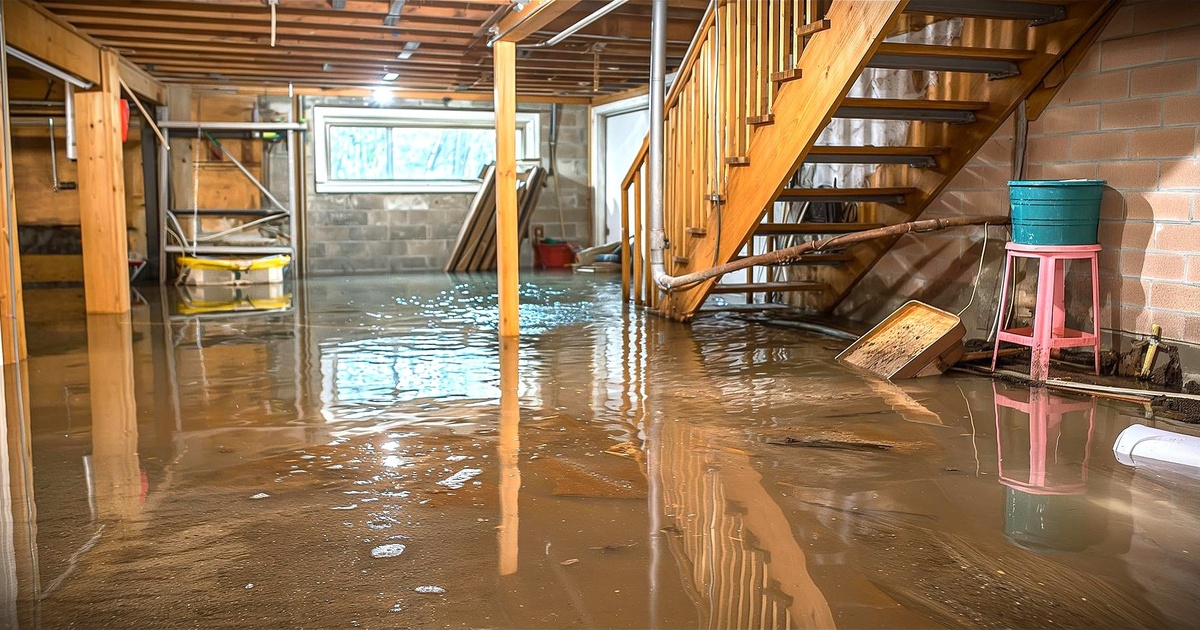
Older homes in Viera are known for their charm, solid construction, and unique architectural features. However, they also come with challenges, especially when it comes to water damage. Aging plumbing, outdated roofing, and general wear and tear make older homes particularly vulnerable during Florida’s rainy season or after storms.
Water damage restoration in these properties requires specialized knowledge and careful handling to prevent structural deterioration, mold growth, and long-term repair costs. This guide provides Viera homeowners with a detailed overview of water damage causes in older homes, early warning signs, the restoration process, cost considerations, and preventive strategies.
Understanding Water Damage in Older Homes
Water damage occurs when unwanted moisture infiltrates a home’s structure. In older homes, the following factors exacerbate the problem:
- Aging Plumbing Systems – Old pipes, joints, and fittings can leak or burst, causing water intrusion.
- Outdated Roofing and Flashing – Roof shingles, tiles, and flashing may no longer provide adequate protection against heavy rain.
- Foundation and Grading Issues – Improper grading or aging foundations may allow water to pool near basements, crawlspaces, or slab edges.
- Worn Seals on Windows and Doors – Gaps and deteriorated caulking let rainwater seep indoors.
- Natural Material Vulnerability – Wooden framing, plaster walls, and older insulation are more susceptible to water absorption and rot.
Prompt identification and restoration are essential to minimize structural damage and maintain indoor air quality.
Common Causes of Water Damage in Viera’s Older Homes
1. Storms and Heavy Rain
Viera experiences frequent summer storms and occasional tropical weather systems. Heavy rainfall can overwhelm gutters, roofs, and drainage systems, leading to leaks and flooding in attics, crawlspaces, or living areas.
2. Aging Plumbing Systems
Old pipes made from galvanized steel, cast iron, or early copper can corrode, crack, or develop loose joints. Even minor leaks under sinks, behind walls, or in utility rooms may result in long-term water damage if unnoticed.
3. Roof Leaks and Flashing Failure
Shingles or tiles may degrade over time, and flashing around chimneys or vents can fail. Water penetration can affect ceilings, insulation, and wooden structural elements.
4. Poor Drainage and Grading
Older landscaping may not properly direct water away from the home. Soil erosion or compacted ground can channel rainwater toward the foundation, increasing the risk of basement or crawlspace flooding.
5. HVAC and AC Condensation
Older HVAC units may have clogged condensate lines or malfunctioning drip pans. Condensation leaks can saturate floors, walls, or ducts, creating moisture-prone areas.
Early Warning Signs of Water Damage
Homeowners should monitor for the following indicators in older homes:
- Musty or Damp Odors – Often a sign of hidden moisture or mold growth.
- Visible Stains or Discoloration – Brown or yellow marks on walls, ceilings, or floors indicate water intrusion.
- Warped or Buckled Flooring – Wood, laminate, or vinyl may deform due to moisture absorption.
- Peeling Paint or Wallpaper – Moisture behind walls causes surfaces to separate or blister.
- Sagging Ceilings or Soft Spots – Prolonged water exposure weakens structural components.
- Health Symptoms – Allergic reactions, coughing, or respiratory irritation may indicate mold or microbial growth.
Early detection is critical, especially in older homes where hidden leaks can cause extensive damage over time.
Water Damage Restoration Process
Professional restoration for older Viera homes follows a structured approach to ensure safety, effectiveness, and preservation of historic or unique features.
Step 1: Assessment and Inspection
- Inspect the property for visible water damage, leaks, and structural vulnerabilities.
- Use moisture meters and thermal imaging to detect hidden water in walls, ceilings, and floors.
- Identify potential health hazards, such as mold or bacterial contamination.
Step 2: Water Extraction
- Industrial pumps and wet vacuums remove standing water quickly.
- Rapid extraction reduces the risk of further structural damage or microbial growth.
- Moisture measurements guide the restoration team on drying requirements.
Step 3: Drying and Dehumidification
- Air movers, fans, and dehumidifiers are used to remove residual moisture.
- Proper drying prevents mold formation and warping of wooden structural elements.
- Monitoring continues until safe moisture levels are confirmed.
Step 4: Cleaning and Disinfection
- Contaminated surfaces, especially in cases of flooding or gray/black water exposure, are sanitized.
- HVAC systems, ductwork, and affected furniture may be cleaned to prevent microbial spread.
- Non-porous materials are thoroughly cleaned with antimicrobial solutions.
Step 5: Repair and Restoration
- Replace or repair damaged drywall, insulation, flooring, or structural elements.
- Preserve original architectural features whenever possible.
- Ensure all systems, including plumbing, electrical, and HVAC, are functional.
Step 6: Post-Restoration Verification
- Moisture readings confirm all areas are fully dry.
- Final inspection ensures structural integrity and safe indoor air quality.
- Homeowners receive documentation of completed restoration and remediation work.
Costs of Water Damage Restoration in Older Homes
Restoration costs depend on the extent of damage, property size, and level of contamination:
- Minor Damage (Single Room, Small Leak) – $500–$1,500
- Moderate Damage (Multiple Rooms, Moderate Flooding) – $1,500–$5,000
- Severe Damage (Whole Home, Structural or Extensive Flooding) – $5,000–$20,000+
Older homes may require additional attention to preserve original features, which can increase restoration costs.
Preventive Measures for Older Homes
- Regular Roof and Gutter Maintenance – Inspect shingles, flashing, and gutters before rainy season.
- Plumbing Inspections – Identify leaks or weak points in older pipes and fixtures.
- Foundation and Grading Checks – Ensure water is directed away from the home.
- HVAC Maintenance – Clean condensate lines, drip pans, and ducts to prevent moisture buildup.
- Seal Windows and Doors – Replace worn caulking and weather-stripping.
- Install Sump Pumps or Backflow Valves – Protect basements and crawlspaces from flooding.
- Monitor Moisture Levels – Use moisture meters or sensors in attics, crawlspaces, and basements.
Benefits of Prompt Water Damage Restoration
- Protects Structural Integrity – Prevents rot, warping, and weakening of foundations and framing.
- Reduces Mold Risk – Timely drying and cleaning prevent microbial growth.
- Preserves Home Value – Maintaining structural soundness and aesthetics protects resale value.
- Improves Indoor Air Quality – Reduces allergens, spores, and lingering odors.
- Minimizes Long-Term Costs – Early intervention reduces the need for extensive repairs.
Local Expertise Matters
Viera homeowners benefit from professionals who understand:
- The unique construction characteristics of older homes
- Florida’s humid climate and rainy season patterns
- Effective water extraction, drying, and restoration techniques
- Strategies to prevent mold and future water damage
Local experience ensures restoration is both effective and sensitive to the home’s unique architectural features.
Conclusion
Water damage is a significant concern for older homes in Viera, especially during the rainy season or after storms. Aging plumbing, roofs, and structural elements make these properties more susceptible to leaks, flooding, and subsequent mold growth.
Professional water damage restoration involves a careful process of assessment, extraction, drying, cleaning, and repair. Early detection, timely restoration, and preventive maintenance help homeowners protect their investment, maintain indoor air quality, and preserve the structural integrity of their homes.
By understanding the causes of water damage, recognizing early warning signs, and working with local experts, Viera homeowners can ensure that their older homes remain safe, comfortable, and resilient for years to come.