
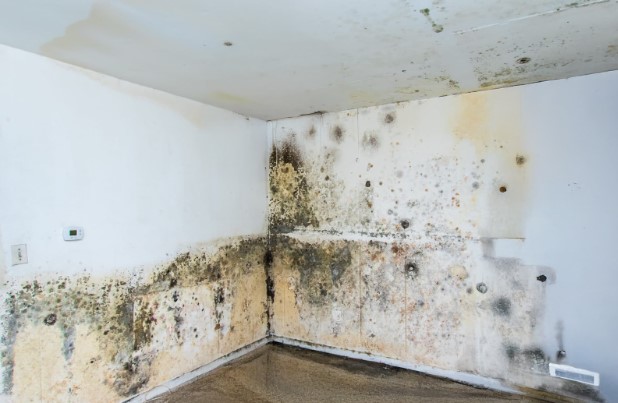
A Local Homeowner Guide: Mold Removal in West Melbourne in Commercial Buildings
If you own or manage a commercial building in West Melbourne, mold is not just a maintenance issue — it’s a business interruption risk.
Office spaces, retail units, medical suites, warehouses, and mixed-use buildings across West Melbourne, Melbourne, Palm Bay, and Rockledge all deal with the same environmental reality: heat, humidity, heavy rains, and long AC seasons.
When moisture enters a commercial structure and isn’t addressed quickly, mold follows. The key is understanding how it starts, what proper removal involves, and how to prevent it from affecting operations again.
This guide breaks it down clearly — from causes to solutions — specifically for commercial properties in Brevard County.
Why Commercial Buildings in West Melbourne Are Vulnerable
Commercial structures behave differently than residential homes.
Common characteristics include:
- Large flat roofs
- Rooftop HVAC units
- Drop ceilings with plenum space
- Multiple tenant plumbing systems
- High-traffic restrooms
- Limited after-hours monitoring
Combine that with West Melbourne’s coastal humidity and heavy storm cycles, and you get consistent moisture exposure.
Flat roofs are especially prone to ponding water. Even minor drainage issues can lead to slow roof membrane failures, allowing moisture into insulation and ceiling cavities.
Common Causes of Mold in Commercial Buildings
1. Roof Leaks After Storms
West Melbourne sees strong rain bands and wind-driven storms. Commercial roofs often experience:
- Membrane seam separation
- Flashing failure around penetrations
- HVAC curb leaks
- Blocked drainage systems
Water enters ceiling cavities and soaks insulation above drop ceilings — often unnoticed for weeks.
2. HVAC System Condensation
Rooftop HVAC units are common in commercial buildings. In Florida’s humidity:
- Drain lines clog
- Condensate pans overflow
- Duct insulation sweats
- Negative air pressure pulls humid air into cavities
HVAC-related moisture issues are one of the most common commercial mold triggers.
3. Plumbing Failures in Multi-Tenant Spaces
In retail plazas and office complexes, one tenant’s plumbing leak can affect neighboring units.
Typical sources include:
- Restroom supply lines
- Water heater failures
- Break room sink leaks
- HVAC drain backups
Commercial drywall and insulation absorb moisture quickly.
4. Poor Ventilation in Storage Areas
Warehouses and storage rooms often lack sufficient airflow. High humidity combined with limited circulation creates ideal mold conditions.
Early Warning Signs in Commercial Properties
Unlike homes, commercial buildings often show subtle operational clues first.
Watch for:
- Ceiling tiles staining or sagging
- Musty odor in one section of the building
- Employees reporting allergy-like irritation
- Warped baseboards in offices
- Condensation near vents
- Increased HVAC runtime
- Discoloration around restroom walls
If ceiling tiles show staining, assume the insulation above may also be wet.
Why Immediate Action Matters in Commercial Settings
In commercial buildings, delays increase:
- Tenant complaints
- Liability concerns
- Insurance complications
- Structural damage
- Business downtime
Quick moisture detection prevents larger remediation scopes.
Step-by-Step Mold Removal Process in Commercial Buildings
Mold removal in West Melbourne commercial properties follows a structured approach designed to minimize operational disruption.
Step 1: Moisture Source Identification
Before removal begins, the moisture source must be confirmed.
This includes:
- Roof inspection
- HVAC system evaluation
- Moisture mapping in ceiling cavities
- Plumbing inspection
- Infrared scanning where needed
Without correcting moisture, remediation becomes temporary.
Step 2: Containment Setup
In occupied commercial spaces, containment is critical.
This may involve:
- Temporary plastic barriers
- Negative air systems
- Isolating affected rooms
- After-hours work scheduling
The goal is to protect unaffected tenant areas.
Step 3: Removal of Affected Materials
Porous materials typically removed include:
- Wet ceiling tiles
- Damp insulation
- Contaminated drywall sections
- Water-damaged carpeting
- Swollen base trim
Selective removal reduces downtime.
Step 4: Cleaning Structural Surfaces
After damaged materials are removed, structural elements are cleaned using appropriate professional methods.
This step focuses on removing contamination rather than masking odor.
Step 5: Drying and Dehumidification
Commercial drying equipment is used to:
- Reduce humidity
- Dry framing and subfloor areas
- Stabilize interior conditions
Moisture levels are monitored to confirm dryness before rebuild.
Step 6: Repairs and Restoration
Repairs may include:
- Replacing ceiling tiles
- Reinstalling insulation
- Drywall patching
- Flooring replacement
- Repainting
Work is typically staged to minimize tenant impact.
Costs of Commercial Mold Remediation in West Melbourne
Costs vary widely depending on:
- Size of affected area
- Roof involvement
- HVAC contamination
- Number of tenant spaces affected
- Accessibility of ceiling cavities
- Required containment level
- Reconstruction scope
Small localized issues (single office or restroom wall) fall into lower cost ranges. Multi-suite roof-related contamination with insulation replacement falls into higher ranges.
Early detection significantly reduces total cost.
HVAC Systems and Mold in Commercial Buildings
Commercial HVAC systems deserve special attention.
Problems often include:
- Condensation buildup inside duct runs
- Wet insulation in return plenums
- Poorly sealed duct connections
- Humid air infiltration during off-hours
Routine duct inspection and maintenance prevent recurring mold.
How to Prevent Future Mold Problems in West Melbourne Commercial Properties
Prevention strategies include:
- Scheduled roof inspections after major storms
- Routine HVAC drain line cleaning
- Indoor humidity monitoring
- Rapid response to ceiling tile staining
- Annual plumbing checks in tenant spaces
- Ensuring proper grading and exterior drainage
Proactive maintenance costs far less than reactive remediation.
Why Local Experience Matters
Commercial mold remediation in West Melbourne requires understanding:
- Florida’s storm patterns
- Coastal humidity behavior
- Flat roof vulnerabilities
- Rooftop HVAC system design
- Multi-tenant building layouts
Professionals working regularly in West Melbourne, Melbourne, Palm Bay, and Rockledge understand how moisture travels in these building types.
Palm Bay Mold Removal handles commercial inspections and remediation throughout Brevard County with a focus on moisture control first and containment precision second.
Because in Florida, moisture doesn’t take a day off — and neither should building maintenance planning.
A Practical Next Step for Commercial Property Owners
If you manage or own a commercial property in West Melbourne and notice ceiling staining, musty odors, or unexplained humidity changes, schedule a structured inspection immediately.
Commercial mold problems grow quietly.
Handled early, they’re manageable.
Ignored, they interrupt business operations and increase repair costs.
Moisture control is not optional in Florida commercial buildings — it’s part of ownership.