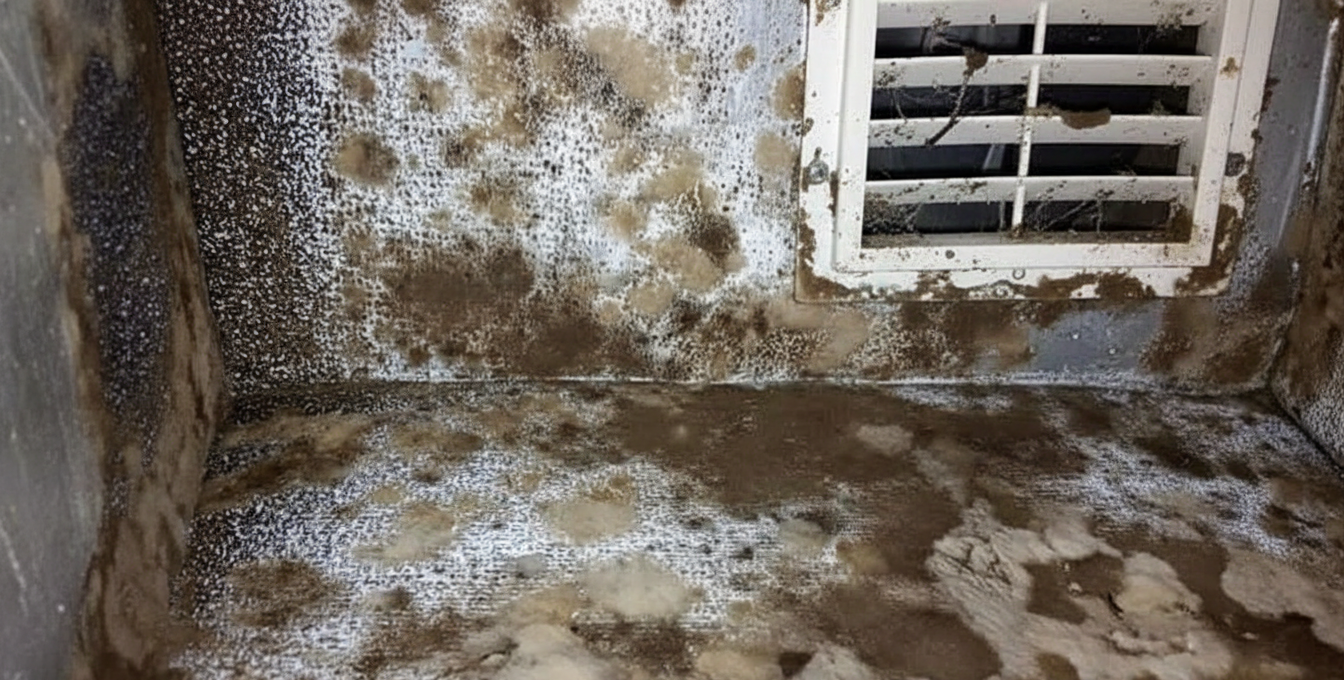
A Local Homeowner Guide: Mold Removal in Cocoa Beach from Poor Ventilation
If you live in Cocoa Beach, you already know that humidity is part of everyday life. Open a door in the morning, and you can feel it in the air. While most homeowners worry about storms or plumbing leaks, one of the most common causes of mold in coastal homes is something much quieter—poor ventilation.
When air can’t circulate properly, moisture builds up. That trapped humidity often leads to mold growth in attics, ductwork, closets, and even inside walls. The good news is that with proper inspection, removal, and prevention, ventilation-related mold problems can be handled effectively.
This guide explains how mold develops from poor ventilation, how removal works, and what homeowners in Cocoa Beach can do to prevent future damage.
What Mold from Poor Ventilation Really Is
Mold needs only two things to grow: moisture and a surface. Poor ventilation creates ideal conditions because humid air becomes trapped in certain areas of the home.
Common places where this happens include:
- Attics with limited airflow
- Closets or storage rooms with little circulation
- Bathrooms without effective exhaust fans
- HVAC ducts and air handlers
- Rooms where furniture blocks air movement
Unlike mold caused by flooding, ventilation-related mold often develops slowly, sometimes over months, before homeowners notice it.
Why Ventilation Problems Are Common in Cocoa Beach
Homes in Cocoa Beach face environmental conditions that make ventilation especially important:
- High year-round humidity
- Warm temperatures that encourage condensation
- Air conditioning running frequently
- Coastal air carrying moisture indoors
- Attics that trap heat and humid air
Nearby communities like Satellite Beach, Merritt Island, and Melbourne experience similar issues, especially in homes where attic ventilation or duct sealing isn’t ideal.
Even newer homes can develop ventilation imbalances if airflow isn’t properly maintained.
Warning Signs Homeowners Often Notice
Mold caused by poor ventilation usually shows subtle warning signs first.
Homeowners may notice:
- Musty or damp odors
- Dark spots near ceiling vents
- Peeling paint or bubbling drywall
- Condensation on vents or windows
- Rooms that feel humid or stale
- Mold appearing in closets or corners
These signs usually indicate excess moisture, even if mold isn’t immediately visible.
Early inspection helps prevent more extensive damage.
Hidden Areas Where Ventilation Mold Develops
Some of the most common mold locations are rarely seen during daily life.
Inspectors frequently find mold in:
- Attic insulation and roof decking
- Inside air ducts
- Behind drywall in poorly ventilated rooms
- Around air handlers and drain pans
- Inside wall cavities near bathrooms
Attics are particularly vulnerable. Warm humid air rises and remains trapped if ventilation isn’t adequate, creating ideal conditions for mold growth.
Moisture detection tools help locate these hidden damp areas before damage spreads.
Why DIY Mold Removal Often Doesn’t Work
It’s understandable to want to clean visible mold with household products, but surface cleaning rarely solves ventilation-related mold problems.
DIY cleaning often fails because it doesn’t address:
- Hidden moisture sources
- Mold inside ducts or insulation
- Humidity imbalances
- Ventilation deficiencies
Without correcting the cause, mold often returns in the same area.
Professional removal focuses on both eliminating mold and improving conditions that allowed it to grow.
Professional Mold Inspection and Testing Explained
A thorough inspection is the first step in proper mold removal.
Technicians typically:
- Inspect attics and ventilation systems
- Measure moisture levels in walls and ceilings
- Check HVAC systems and ducts
- Identify areas with poor airflow
- Evaluate humidity levels throughout the home
These steps help determine where mold is present and what conditions are contributing to growth.
In Cocoa Beach and surrounding Brevard County communities, companies such as Palm Bay Mold Removal often combine mold inspection, moisture detection, and ventilation evaluation to ensure the root cause is addressed—not just the symptoms.
Mold Removal and Remediation Process
When mold is confirmed, removal follows a structured process designed to prevent recurrence.
Typical steps include:
- Identifying and correcting ventilation or moisture issues
- Isolating affected areas when necessary
- Removing contaminated materials such as insulation or drywall
- Cleaning and treating surfaces
- Drying and verifying moisture levels
Proper remediation ensures mold is removed safely and the environment is stabilized.
Repairs After Mold Removal
After remediation, minor repairs may be needed depending on the extent of damage.
Common repairs include:
- Replacing insulation
- Repairing drywall or ceilings
- Sealing ductwork
- Improving attic ventilation
These repairs help prevent moisture from accumulating again.
Air Ducts, HVAC Systems, and Ventilation
HVAC systems play a major role in indoor air circulation. When ducts contain dust or moisture, airflow can be restricted, and humidity can increase.
Common ventilation-related HVAC issues include:
- Condensation inside ducts
- Clogged drain lines
- Poor attic airflow
- Leaky ducts pulling humid air
Regular duct inspections and maintenance help reduce these risks and improve indoor air quality.
How to Prevent Mold from Poor Ventilation
Preventive maintenance is one of the most effective ways to avoid mold problems.
Homeowners can:
- Ensure attic vents are clear and functioning
- Use exhaust fans in kitchens and bathrooms
- Keep air filters clean
- Schedule annual HVAC maintenance
- Monitor indoor humidity levels
- Arrange periodic mold or moisture inspections
Even small steps can significantly reduce mold risk in coastal homes.
Why Local Experience Matters
Mold problems caused by ventilation behave differently in Florida than in drier regions. High humidity, salt air, and long cooling seasons all affect how moisture builds and how quickly mold can develop.
Professionals working in Cocoa Beach, Palm Bay, and Rockledge understand:
- Local building materials and construction methods
- Typical attic ventilation challenges
- Coastal humidity patterns
- Effective drying and remediation techniques
Local experience helps ensure mold removal is thorough and long-lasting.
A Practical Next Step for Homeowners
Mold from poor ventilation often develops slowly, but ignoring it can lead to structural damage, persistent odors, and costly repairs. Early inspection and proper removal help protect both the home and indoor air quality.
With regular maintenance, improved ventilation, and timely inspections, homeowners in Cocoa Beach can prevent mold problems and keep their homes comfortable, dry, and healthy for years to come.