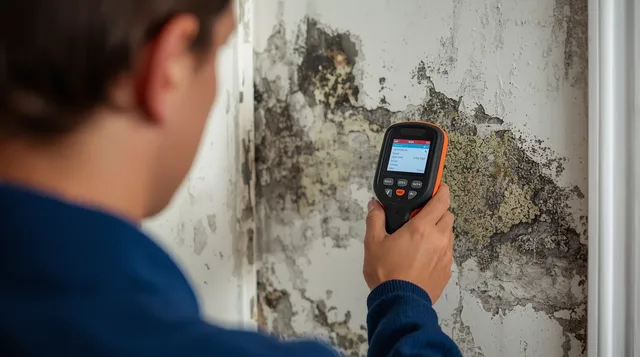
A Local Homeowner Guide: Mold Inspection in Cocoa Beach in Commercial Buildings
Mold in commercial buildings in Cocoa Beach, Florida is a serious concern due to the coastal climate, high humidity, and frequent storms. For building owners and property managers, mold growth can lead to structural damage, compromised air quality, health hazards, and legal liabilities. Conducting regular mold inspections is critical to identify issues early and prevent costly repairs or tenant complaints.
This guide provides commercial property owners with a comprehensive overview of mold inspection, common problem areas, detection methods, and preventive measures for Cocoa Beach commercial buildings.
Why Mold Inspection Is Crucial in Commercial Buildings
- Health Protection
- Mold exposure can cause respiratory problems, allergies, and asthma for employees, tenants, or visitors.
- Preservation of Property
- Moisture and mold can weaken walls, ceilings, insulation, and flooring, leading to structural damage.
- Legal Compliance
- Landlords and building managers are responsible for maintaining safe, habitable workspaces, avoiding potential lawsuits.
- Improved Indoor Air Quality
- Early identification of mold prevents musty odors and allergens from spreading through HVAC systems.
- Cost Management
- Detecting mold early reduces expensive remediation, reconstruction, and lost business due to building closure.
Common Areas for Mold Growth in Commercial Buildings
- HVAC Systems
- Air ducts, drip pans, and cooling coils can accumulate moisture and foster microbial growth.
- Roofs and Ceilings
- Leaks from heavy rains or storm damage can penetrate ceilings, creating damp areas.
- Basements and Crawlspaces
- Poor drainage and high humidity encourage mold growth in low-lying areas.
- Bathrooms and Kitchens
- Frequent water usage and condensation contribute to hidden mold.
- Walls and Insulation
- Moisture trapped in walls, behind paneling, or in insulation promotes mold colonization.
- Storage Areas
- Cardboard boxes, papers, and fabrics can retain moisture and harbor mold spores.
Early Signs of Mold Infestation in Commercial Buildings
- Musty Odors
- Persistent, damp smells often indicate hidden mold.
- Visible Growth
- Black, green, or white patches on walls, ceilings, or HVAC vents.
- Water Damage
- Stains, bubbling paint, or warped surfaces suggest moisture intrusion.
- Health Complaints
- Tenants or employees reporting frequent coughing, sneezing, or respiratory irritation.
- Condensation
- Water droplets on windows, pipes, or walls can signal high humidity and mold risk.
Professional Mold Inspection Methods
Step 1: Visual Inspection
- Inspect ceilings, walls, floors, HVAC systems, and basements for signs of water damage or mold.
Step 2: Moisture Detection
- Use moisture meters to measure dampness in walls, floors, and insulation.
Step 3: Air Sampling
- Collect air samples to detect the presence and concentration of mold spores.
Step 4: Surface Sampling
- Swab suspect areas to identify mold species and determine contamination levels.
Step 5: Thermal Imaging
- Infrared cameras detect temperature and moisture anomalies behind walls and ceilings.
Step 6: Documentation
- Record all findings for remediation planning, insurance purposes, and compliance with regulations.
Steps Following a Mold Inspection
- Assessment and Reporting
- Professionals provide a detailed report of mold locations, severity, and recommended actions.
- Remediation Plan
- Develop a strategy for containment, removal, cleaning, and drying based on inspection results.
- Implementation
- Carry out mold removal using EPA-approved disinfectants and safety protocols to protect building occupants.
- Verification
- Post-remediation testing ensures mold levels are safe and conditions are dry.
- Preventive Measures
- Recommendations may include humidity control, HVAC maintenance, roof repairs, and better drainage.
Preventive Tips for Commercial Property Owners in Cocoa Beach
- Regular Inspections
- Schedule annual or bi-annual mold inspections, especially after storms or water events.
- HVAC Maintenance
- Clean and inspect ducts, coils, and condensate pans to prevent microbial growth.
- Moisture Control
- Use dehumidifiers, proper ventilation, and repair leaks immediately.
- Structural Upkeep
- Seal cracks, maintain roofing, and ensure gutters and downspouts function properly.
- Tenant Awareness
- Encourage occupants to report water leaks, damp spots, or musty odors promptly.
- Quick Response to Water Events
- Address flooding, plumbing leaks, or storm damage quickly to prevent mold colonization.
Benefits of Regular Mold Inspections
- Health and Safety Assurance
- Protects tenants, employees, and visitors from mold-related illnesses.
- Cost Efficiency
- Early detection prevents extensive remediation and structural repairs.
- Property Preservation
- Maintains building integrity and prolongs the lifespan of materials.
- Regulatory Compliance
- Ensures commercial buildings meet safety and habitability standards.
- Peace of Mind
- Confirms a safe, clean, and healthy environment for all occupants.
Conclusion
Mold growth in Cocoa Beach commercial buildings is a serious issue due to the area’s high humidity and storm activity. Early detection through professional mold inspections is critical for protecting the building, tenants, and property value.
Following a thorough inspection, assessment, and remediation plan, combined with preventive measures like proper ventilation, humidity control, and maintenance, ensures commercial properties remain safe, healthy, and resilient against mold growth. Regular mold inspections are a proactive approach that safeguards both health and investment in the long term.