A Local Homeowner Guide: Indoor Air Quality Improvement in Titusville After Hurricanes
After a hurricane passes through Titusville, most homeowners focus on the visible damage first—roof shingles, fences, fallen branches, or water intrusion. But there’s another issue that often develops quietly in the days and weeks afterward: indoor air quality problems.
Even when a home looks dry, moisture and humidity can linger inside walls, duct systems, insulation, and flooring. That trapped moisture can affect the air you breathe, cause musty odors, and eventually lead to mold growth if conditions aren’t corrected.
Improving indoor air quality after hurricanes isn’t complicated, but it does require understanding what causes the problem and how to fix it properly.
What Indoor Air Quality Means After a Hurricane
Indoor air quality refers to how clean and balanced the air inside your home is. After hurricanes, air quality can be affected by:
- Increased humidity
- Damp building materials
- Dust and debris pulled into ventilation systems
- Contaminants carried in by floodwater
- Mold spores developing in moist areas
Even small amounts of lingering moisture can change indoor air conditions, making the home feel humid, stale, or uncomfortable.
In Titusville, where warm temperatures and humidity are already high, these conditions can develop quickly after a storm.
Why Hurricanes Affect Indoor Air So Easily in Titusville
Homes in Titusville and nearby communities like Merritt Island, Cocoa, and Palm Bay face environmental factors that make indoor air quality more vulnerable after storms:
- Heavy rain and wind-driven moisture
- High humidity that slows drying
- AC systems working harder after power outages
- Attic spaces trapping heat and moisture
- Flooding or minor water intrusion
Even homes that don’t experience major flooding may still have moisture buildup in attics, ducts, or wall cavities.
That’s why indoor air quality often declines gradually in the weeks following a hurricane rather than immediately.
Warning Signs Your Indoor Air Quality Needs Attention
Indoor air quality problems usually appear through subtle symptoms.
Watch for:
- Musty or damp odors
- Rooms that feel humid or heavy
- Dust collecting faster than usual
- Uneven temperatures between rooms
- Odors that become stronger when the AC runs
Another common sign is air that feels sticky even when the thermostat is set normally. This often indicates excess humidity or moisture inside the home.
If these symptoms appear after a storm, it’s a good idea to investigate early.
Hidden Moisture That Affects Air Quality
After hurricanes, moisture often settles in areas homeowners don’t regularly inspect.
Common hidden sources include:
- Attic insulation dampened by roof leaks
- Duct insulation absorbing moisture
- Wall cavities near windows or doors
- Carpet padding and subfloors
- Closets and storage areas with poor airflow
In Titusville homes, attic moisture is particularly common because warm air rises and becomes trapped, slowing drying.
Moisture detection tools help locate these hidden damp areas so they can be dried properly.
Why Indoor Air Quality Often Declines Days After a Storm
One thing many homeowners notice is that air quality problems don’t always appear right away.
Here’s why:
- Materials absorb moisture during the storm
- Humidity remains high for days afterward
- HVAC systems begin circulating air again
- Odors and particles start spreading through ducts
This delayed effect is why indoor air may seem fine immediately after a hurricane but develop musty smells later.
Addressing moisture early prevents these problems from getting worse.
How Indoor Air Quality Is Evaluated
Improving indoor air quality starts with identifying the source of moisture or contamination.
A typical evaluation may include:
- Visual inspection of affected areas
- Moisture readings in walls, ceilings, and flooring
- Inspection of HVAC systems and ductwork
- Checking humidity levels inside the home
This process helps determine whether drying, cleaning, or ventilation improvements are needed.
Identifying the root cause ensures the problem doesn’t return.
Solutions for Improving Indoor Air Quality After Hurricanes
Once the cause is identified, several steps can improve indoor air quality.
Drying and Dehumidification
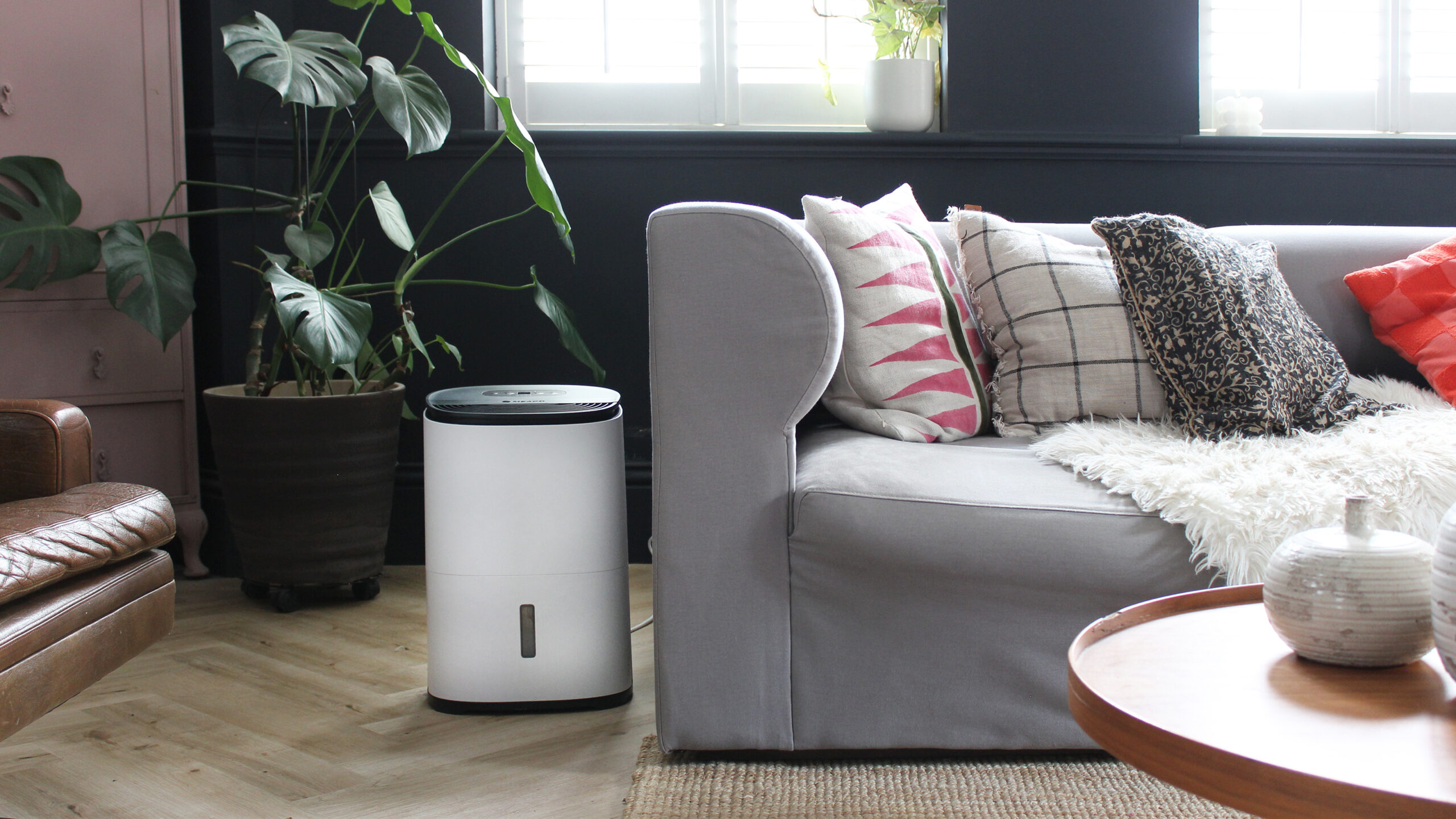
Removing excess moisture is the first priority. Dehumidifiers and airflow equipment help dry building materials and reduce humidity levels.
Cleaning and Sanitizing
Surfaces affected by storm debris or moisture may need cleaning to remove residues and odors.
Air Duct Cleaning
If moisture or debris entered the HVAC system, duct cleaning can help remove contaminants and improve airflow.
HVAC Inspection
Air handlers, coils, and condensate lines are checked to ensure the system is removing humidity effectively.
Mold Inspection and Testing
If odors persist or moisture levels remain high, mold inspection may be recommended to confirm whether growth has begun.
Each step works together to restore healthy indoor air conditions.
Mold Risks After Hurricanes
One of the biggest concerns after a storm is mold growth.
Mold can begin developing in as little as 24 to 48 hours when materials remain damp. Areas most at risk include:
- Carpet padding
- Attic insulation
- Ceiling cavities
- Closet corners
Mold inspection helps identify problems early before growth spreads.
Preventing mold usually comes down to one key step: drying the structure thoroughly and controlling humidity.
The Role of HVAC Systems in Air Quality
Air conditioning systems play a major role in maintaining indoor air quality.
After hurricanes, HVAC systems may develop issues such as:
- Condensation buildup
- Damp duct insulation
- Clogged condensate lines
- Dust and debris entering ducts
If musty odors appear when the AC runs, duct inspection or cleaning may be recommended.
Homes in Rockledge and Palm Bay often experience similar issues after storms due to prolonged humidity.
Keeping HVAC systems clean and dry helps maintain consistent airflow and comfort.
How Homeowners Can Prevent Air Quality Problems
Preventive steps can make a big difference after hurricanes.
Helpful tips include:
- Running dehumidifiers after storms
- Checking attics for moisture or leaks
- Replacing HVAC filters
- Addressing leaks immediately
- Scheduling inspections if humidity or odors persist
Drying affected areas within the first few days after a storm significantly reduces the risk of long-term air quality problems.
Staying proactive is one of the most effective ways to protect your home.
Why Local Experience Matters
Indoor air quality challenges in coastal Florida are different from those in cooler or drier climates. Homes in Titusville and surrounding Brevard County communities face:
- Long humid drying periods
- Frequent storms and heavy rainfall
- Continuous AC usage
- Coastal moisture exposure
Professionals familiar with local conditions understand how moisture behaves in Florida homes and how to restore indoor air quality effectively.
Palm Bay Mold Removal has assisted homeowners across Titusville, Merritt Island, Cocoa, and Palm Bay, helping identify moisture issues and improve indoor air quality after hurricanes and severe storms.
A Practical Next Step for Homeowners
After a hurricane, improving indoor air quality is just as important as repairing visible damage. If your home feels humid, smells musty, or seems less comfortable than usual, it may be time to have moisture levels and ventilation checked.
Early action helps prevent mold growth, protects your home’s structure, and keeps indoor air clean and comfortable.
Taking care of moisture quickly is one of the simplest ways to ensure your home in Titusville stays safe, healthy, and comfortable long after the storm has passed.