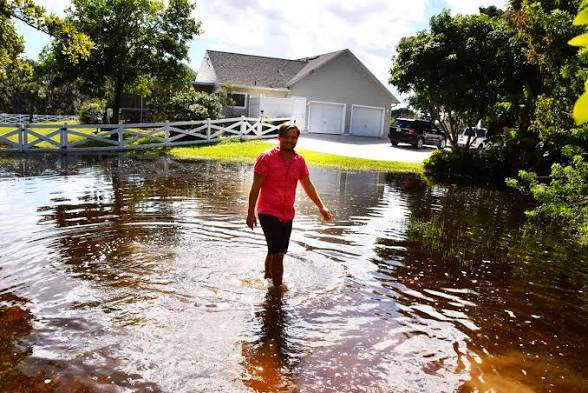
A Local Homeowner Guide: Flood Restoration in Merritt Island After Flooding
Flooding is one of the most challenging events a homeowner can face, especially in coastal and low-lying communities like Merritt Island. Surrounded by water and exposed to heavy seasonal rains, tropical storms, and hurricanes, homes in this area are particularly vulnerable to water intrusion.
When floodwaters enter your home, the damage goes far beyond what you can see. Floors may be soaked, drywall may be stained, and belongings may be displaced—but the most serious threats often remain hidden inside walls, under flooring, and within structural components. Proper flood restoration is essential to protect your home, your health, and your long-term investment.
This comprehensive local homeowner guide explains what flood restoration involves, why it is critical in Merritt Island, and how you can make informed decisions after flooding.
Why Flooding Is a Serious Concern in Merritt Island
Merritt Island’s geography makes it uniquely susceptible to flooding. Contributing factors include:
- Proximity to the Indian River Lagoon
- Low elevation in certain neighborhoods
- Storm surge during hurricanes
- Intense rainfall during tropical systems
- Poor drainage during prolonged storms
Even homes that have never flooded before may experience water intrusion during unusually heavy weather events.
Understanding the Types of Floodwater
Not all floodwater is the same, and the category of water affects how restoration must be handled.
1. Clean Water
Water from broken pipes or rain intrusion without contamination.
2. Gray Water
Water containing some contaminants, such as overflow from appliances.
3. Black Water
Highly contaminated water from sewage backups, storm surge, or river overflow.
Flooding in Merritt Island often involves gray or black water due to stormwater mixing with debris and organic materials. This increases health risks and requires professional restoration.
What Happens to a Home During Flooding
Water begins affecting materials almost immediately:
Within Minutes
- Carpets absorb water
- Wood floors start swelling
- Drywall begins soaking up moisture
Within Hours
- Insulation becomes saturated
- Electrical systems may be compromised
- Structural framing absorbs moisture
Within 24–48 Hours
- Mold growth begins
- Odors develop
- Materials weaken significantly
Understanding this timeline emphasizes why rapid flood restoration is critical.
The Step-by-Step Flood Restoration Process
Flood restoration is a structured process designed to remove water, dry materials, prevent mold, and restore your home safely.
Step 1: Emergency Assessment
Professionals first inspect:
- Depth and extent of flooding
- Type of water contamination
- Affected materials
- Structural integrity
- Electrical safety
Moisture meters and infrared cameras detect hidden water in walls and flooring.
Step 2: Water Extraction
Industrial pumps and vacuums remove standing water quickly. Rapid extraction:
- Minimizes further absorption
- Reduces structural stress
- Limits mold growth
Time is critical—every hour counts.
Step 3: Removal of Damaged Materials
Some materials cannot be salvaged, especially after contaminated flooding:
- Carpet padding
- Wet insulation
- Severely damaged drywall
- Warped laminate flooring
Removing compromised materials prevents long-term issues.
Step 4: Structural Drying
Industrial air movers and dehumidifiers are strategically placed to:
- Pull moisture from walls and subfloors
- Reduce indoor humidity
- Accelerate evaporation
In Merritt Island’s humid climate, professional drying equipment is essential.
Step 5: Cleaning and Sanitizing
Floodwater may carry:
- Bacteria
- Debris
- Organic waste
- Chemicals
Thorough cleaning and disinfecting ensure a safe living environment.
Step 6: Mold Prevention
Because mold thrives in Florida’s warm climate, restoration often includes:
- Antimicrobial treatments
- Monitoring moisture levels
- Air filtration
Preventing mold is far easier than remediating it later.
Step 7: Repairs and Reconstruction
Once drying is complete, restoration professionals:
- Replace drywall
- Install new flooring
- Repair cabinetry
- Repaint affected areas
The goal is to restore the home to pre-flood condition.
Common Hidden Damage After Flooding
Many Merritt Island homeowners underestimate hidden damage. Watch for:
- Warped baseboards
- Soft drywall
- Musty odors
- Elevated humidity
- Electrical flickering
- Buckling floors
Even if surfaces appear dry, hidden moisture may remain.
Why DIY Drying Is Often Insufficient
Homeowners sometimes rely on:
- Household fans
- Open windows
- Shop vacuums
While helpful initially, these methods:
- Do not remove deep moisture
- Cannot control humidity effectively
- May allow mold to develop
Professional drying ensures moisture levels return to safe standards.
Health Risks of Improper Flood Cleanup
Untreated flood damage can cause:
- Respiratory irritation
- Allergic reactions
- Asthma flare-ups
- Skin infections (from contaminated water)
- Persistent odors
Children, elderly residents, and pets are particularly vulnerable.
The Importance of HVAC Inspection After Flooding
Floodwater and humidity can contaminate:
- Air handlers
- Ductwork
- Insulation
If not cleaned properly, HVAC systems can circulate mold spores throughout the home.
Insurance Considerations in Merritt Island
Flood damage coverage depends on:
- Flood insurance policies
- Cause of water intrusion
- Timeliness of reporting
Professional restoration companies provide documentation, including:
- Moisture readings
- Photos
- Damage reports
This documentation is valuable during claims processing.
Long-Term Prevention Strategies
After restoration, homeowners should consider:
1. Improving Drainage
Ensure gutters and downspouts direct water away from the foundation.
2. Sealing Entry Points
Check windows, doors, and roof areas for vulnerabilities.
3. Elevating HVAC Systems
If possible, elevate air handlers in flood-prone zones.
4. Installing Sump Pumps
Useful in areas with recurring groundwater issues.
5. Monitoring Indoor Humidity
Keep levels between 45–55% to prevent mold growth.
Why Acting Quickly Matters
Delays in restoration often lead to:
- Mold remediation costs
- Structural wood rot
- Full flooring replacement
- Extensive drywall removal
Quick action reduces overall damage and cost.
Emotional and Financial Recovery
Flooding is emotionally stressful. A structured restoration process:
- Restores a sense of control
- Protects long-term property value
- Ensures your home is safe for your family
- Reduces uncertainty about hidden damage
Knowing your home has been properly restored provides peace of mind.
Why Local Expertise Is Essential
Flood restoration in Merritt Island requires understanding:
- Coastal flood patterns
- Florida humidity behavior
- Local building materials
- Storm surge risks
Local professionals are familiar with these unique challenges and tailor restoration strategies accordingly.
Lessons from Merritt Island Homes
Homeowners who:
- Act immediately
- Use professional drying equipment
- Inspect hidden spaces
- Monitor humidity
tend to avoid long-term complications.
Those who delay often face:
- Mold outbreaks
- Recurrent moisture problems
- Higher repair expenses
Final Thoughts
Flooding in Merritt Island is a serious but manageable challenge. While the initial damage may feel overwhelming, professional flood restoration provides a clear path forward. By removing water, drying structural components, preventing mold, and restoring damaged areas, you can protect your home and your family.
Flood restoration is not just about cleanup—it is about ensuring your home remains structurally sound, healthy, and safe long after the water recedes. In a coastal Florida community, being proactive and informed is your strongest defense against long-term flood damage.