
A Local Homeowner Guide: Flood Restoration in Melbourne After Plumbing Leaks
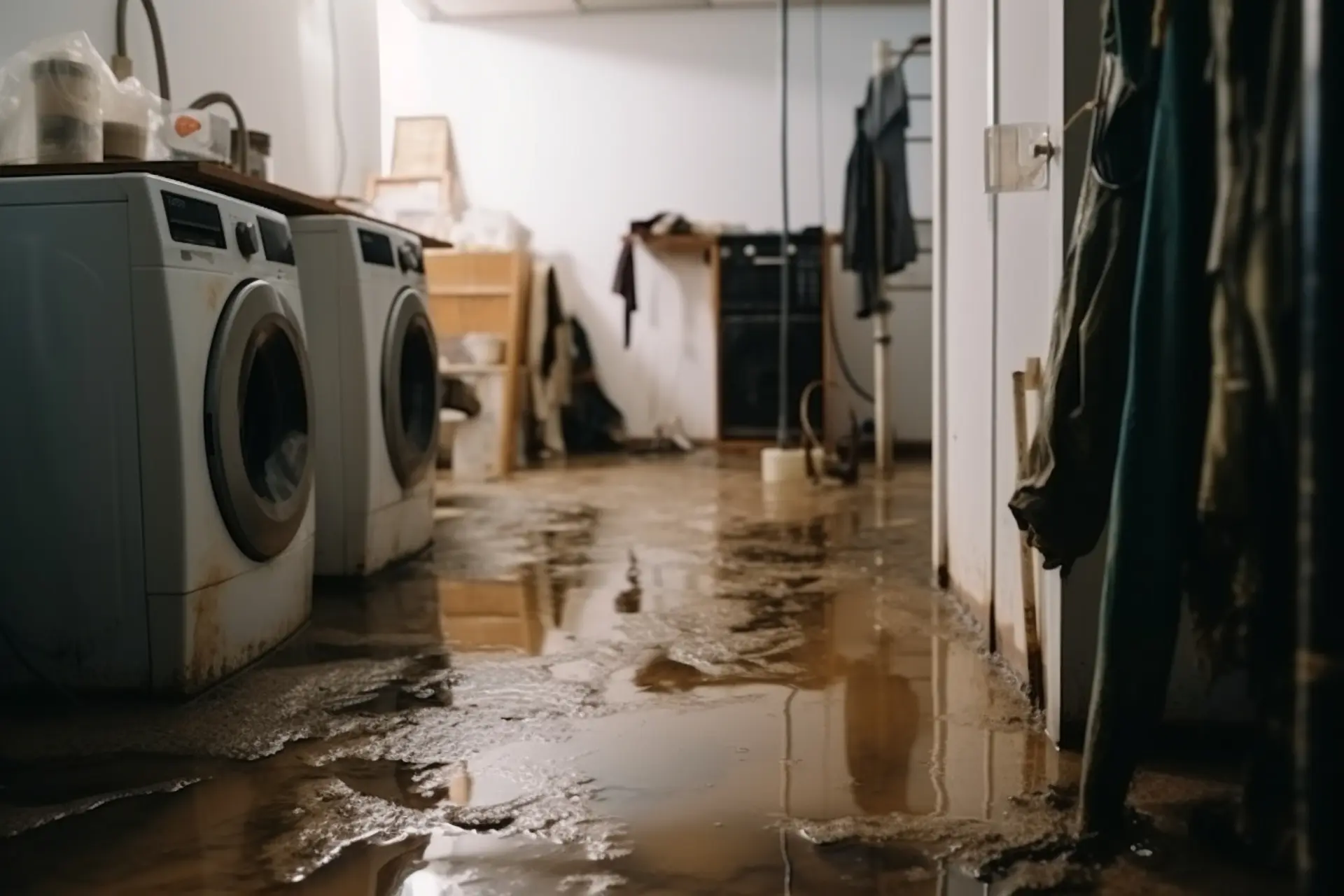
Homeowners in Melbourne, Florida, often prepare for flooding from storms or hurricanes, but many restoration projects in the area actually begin with indoor plumbing leaks. A burst supply line, slow pipe leak behind a wall, or overflowing fixture can release large amounts of water into a home in a short period of time. When these events happen, quick and proper flood restoration becomes critical to prevent long-term damage.
In coastal communities like Melbourne and surrounding Brevard County neighborhoods, humidity makes water damage more complicated. Moisture does not dry quickly, and hidden dampness can lead to structural problems and mold growth if not addressed properly. Understanding how flood restoration works after plumbing leaks helps homeowners take the right steps and avoid costly mistakes.
This guide explains what happens after a plumbing leak, how restoration protects homes, and what Melbourne homeowners should know about recovery.
Why Plumbing Leaks Often Lead to Indoor Flooding
Plumbing systems run throughout a home, often hidden inside walls, ceilings, and floors. When a pipe fails, water can spread quickly before the problem is discovered. Common plumbing-related flooding sources include:
- Burst supply lines under sinks or behind appliances
- Broken washing machine hoses
- Leaking water heaters
- Overflowing toilets or bathtubs
- Refrigerator or dishwasher supply line failures
- Slab leaks beneath flooring
- Slow leaks inside walls going unnoticed for weeks
In many Melbourne homes, leaks happen while families are away or asleep, allowing water to spread through multiple rooms before being discovered.
Why Flood Damage Is Worse in Melbourne’s Humid Climate
Humidity is a major factor in how water damage behaves. In Melbourne’s coastal environment, moisture tends to linger in building materials. Even when surfaces appear dry, moisture may remain trapped inside walls or beneath flooring.
High humidity slows evaporation, which means:
- Wet drywall stays damp longer
- Carpet padding retains moisture
- Wood framing absorbs water
- Flooring adhesives weaken
- Mold growth becomes more likely
Homes near the coast or in older neighborhoods may also have ventilation limitations that worsen moisture problems.
Early Signs of Plumbing Leak Flood Damage
Some plumbing floods are obvious, but others develop slowly and may not be noticed right away. Homeowners often notice warning signs such as:
- Damp or musty odors in rooms
- Soft or warped flooring
- Bubbling paint or drywall
- Stains on ceilings or walls
- Carpet feeling wet or spongy
- Warped baseboards
- Increased humidity indoors
- Sudden spikes in water bills
These symptoms often appear after water has already spread through hidden spaces.
Hidden Moisture Is the Biggest Threat
One of the most misunderstood aspects of flood damage is how far water travels beyond what is visible. After a plumbing leak, moisture commonly spreads:
- Under carpet and padding
- Inside wall cavities
- Beneath tile or laminate flooring
- Inside insulation
- Under cabinets
- Through ceiling cavities
If moisture remains, mold and structural deterioration can develop quietly behind walls or beneath flooring.
Professional restoration focuses on removing hidden moisture, not just drying visible surfaces.
Why DIY Cleanup Often Isn’t Enough
Homeowners often try to handle plumbing floods themselves using fans, mops, or household wet vacuums. While these efforts help remove surface water, they usually fail to address moisture trapped inside materials.
DIY cleanup often leaves behind:
- Wet padding under carpet
- Damp drywall interiors
- Moist wood framing
- Trapped subfloor moisture
- Odor-causing bacteria
Without proper drying equipment and moisture detection tools, water remains and problems return later.
The Professional Flood Restoration Process Explained
Professional flood restoration teams follow a structured process to safely dry and restore homes after plumbing leaks.
Step 1: Inspection and Moisture Mapping
Technicians inspect the home and use moisture meters and infrared imaging to identify all wet areas, including hidden moisture pockets.
Step 2: Water Extraction
High-powered extraction equipment removes standing water from floors and carpets quickly to reduce further absorption.
Step 3: Removal of Damaged Materials
If drywall, insulation, or padding cannot be dried safely, these materials are removed to prevent future issues.
Step 4: Structural Drying
Industrial air movers and dehumidifiers are placed strategically to dry structures, floors, and walls thoroughly over several days.
Step 5: Cleaning and Sanitizing
Affected areas are cleaned and sanitized to eliminate contaminants and prevent odors or microbial growth.
Step 6: Repairs and Restoration
After drying is complete, damaged areas are repaired, restoring walls, flooring, and finishes.
This process ensures moisture does not remain hidden in the home.
Mold Risks After Plumbing Flooding
Humidity and wet materials create ideal conditions for mold growth. Mold can begin developing within 24–48 hours if materials remain damp.
Common mold-prone areas include:
- Behind drywall
- Under carpets
- Inside cabinets
- Inside HVAC systems
- Within insulation
Proper restoration removes moisture before mold becomes an issue, helping protect indoor air quality.
Costs Associated With Plumbing Leak Restoration
Costs vary depending on damage severity and how quickly restoration begins. Factors influencing restoration cost include:
- Size of affected area
- Duration materials stayed wet
- Flooring and wall damage
- Mold growth presence
- Necessary structural repairs
Early restoration often keeps costs manageable. Some homeowner insurance policies cover sudden plumbing leaks, but gradual leaks may fall under maintenance responsibility.
Preventing Plumbing Leak Flood Damage
While not all plumbing failures can be prevented, homeowners can reduce risks by taking preventative measures:
- Replace aging supply hoses on appliances
- Inspect plumbing connections annually
- Monitor water heater condition
- Install water leak detection sensors
- Shut off water supply during long vacations
- Address small leaks immediately
- Maintain proper home humidity levels
Regular maintenance helps reduce the chance of unexpected flooding.
Why Local Restoration Experience Matters
Homes across Melbourne and surrounding Brevard County communities share construction features and environmental conditions. Coastal humidity and storm patterns influence how moisture problems behave locally.
Restoration professionals familiar with the area understand how water spreads in local homes and can provide solutions tailored to regional conditions rather than generic approaches.
Palm Bay Mold Removal regularly assists homeowners throughout Melbourne and neighboring communities, applying local knowledge to resolve plumbing-related flood damage efficiently.
A Practical Next Step for Melbourne Homeowners
If your home experiences flooding from a plumbing leak, quick professional inspection can prevent long-term structural and moisture problems. Acting early helps limit damage, reduce repair costs, and restore normal living conditions faster.
Flood restoration after plumbing leaks isn’t just cleanup—it protects your home’s structure, comfort, and long-term value. By addressing water damage correctly and quickly, Melbourne homeowners can avoid future complications and keep their homes safe and dry year-round.