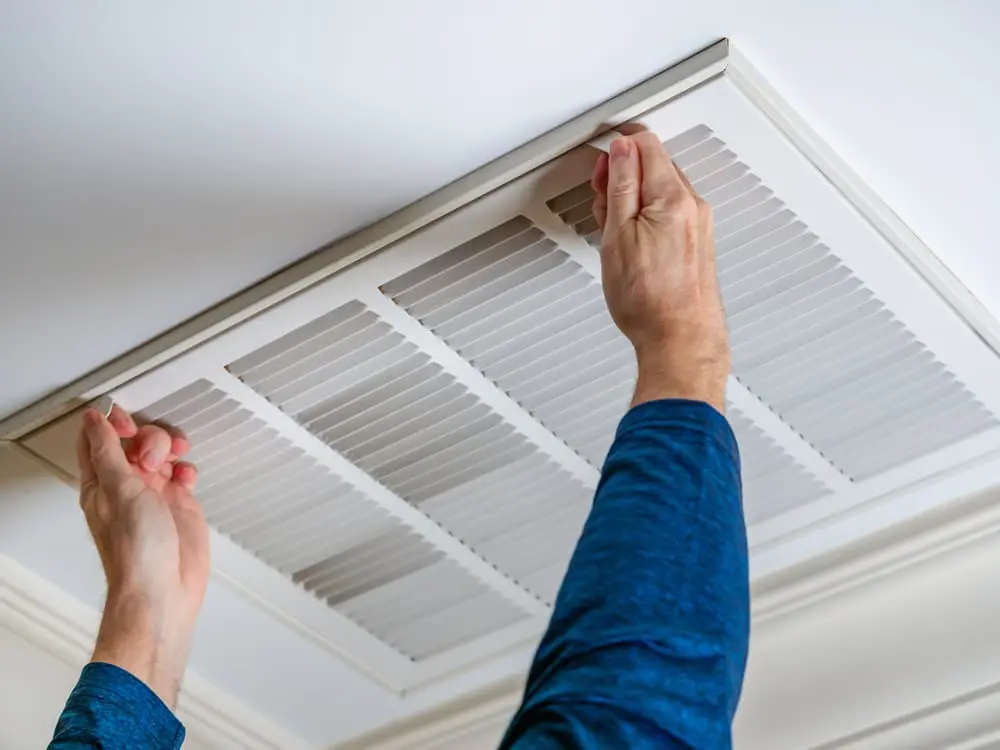
A Local Homeowner Guide: Duct Cleaning in Titusville in Residential Homes
Maintaining a clean and efficient HVAC system is essential for homeowners in Titusville. One often overlooked aspect of home maintenance is air duct cleaning, which can dramatically affect indoor air quality, energy efficiency, and the longevity of heating and cooling systems. Over time, dust, allergens, mold spores, and other contaminants accumulate in residential ductwork, reducing airflow and potentially posing health risks to residents. For homeowners in Titusville, understanding the importance of duct cleaning, the process involved, warning signs, costs, and preventive measures can help ensure a safe and comfortable living environment.
This guide provides a comprehensive overview of residential duct cleaning in Titusville, offering practical insights for homeowners.
Why Duct Cleaning Is Important in Residential Homes
Residential duct systems distribute heated or cooled air throughout the home. When these ducts become contaminated, several problems can arise:
- Improved Indoor Air Quality
- Dust, pollen, mold spores, and pet dander accumulate in air ducts.
- Cleaning ducts reduces airborne allergens, improving respiratory health for occupants.
- Energy Efficiency
- Blocked ducts force HVAC systems to work harder, consuming more energy.
- Clean ducts improve airflow, reducing utility costs and extending the system’s lifespan.
- Odor Removal
- Mold growth, mildew, or accumulated dust can cause musty or unpleasant odors in the home.
- Duct cleaning eliminates odor-causing debris.
- Allergen and Mold Prevention
- Moisture accumulation in ducts can foster mold growth.
- Regular cleaning reduces the risk of allergens circulating throughout the home.
- Fire Safety
- In rare cases, excessive dust buildup in heating ducts can increase fire hazards.
Common Causes of Dirty Ducts in Titusville Homes
Several factors contribute to duct contamination in residential properties:
- Environmental Factors
- Coastal humidity and frequent rainfall in Titusville create ideal conditions for dust and mold accumulation.
- Pets
- Pet hair, dander, and fur contribute to duct contamination.
- Renovations or Construction
- Remodeling projects introduce dust, sawdust, and debris that settle in ductwork.
- Poor Filtration
- Using low-quality air filters or neglecting regular replacement allows dust and debris to bypass filtration and enter ducts.
- High Occupancy
- Homes with multiple residents generate more dust, skin cells, and allergens, increasing contamination.
- Moisture Issues
- Leaks in HVAC systems or ductwork allow moisture to accumulate, encouraging mold growth.
Early Signs That Your Ducts Need Cleaning
Homeowners should watch for specific indicators that air duct cleaning may be necessary:
- Visible Dust and Debris
- Dust visibly accumulating near vents or registers may indicate duct contamination.
- Allergy Symptoms
- Increased sneezing, coughing, or respiratory irritation may signal allergens circulating in the home.
- Unpleasant Odors
- Musty or stale odors emanating from vents suggest dust or mold in ductwork.
- Reduced HVAC Efficiency
- Uneven airflow, longer heating/cooling cycles, or higher energy bills can indicate blocked ducts.
- Mold or Moisture
- Visible mold growth near vents or moisture condensation inside ducts requires immediate attention.
- Pest Activity
- Insects or rodents in ducts can leave droppings or debris that reduce air quality.
Step-by-Step Process of Residential Duct Cleaning
Professional duct cleaning follows a systematic approach to ensure thorough and safe results:
Step 1: Inspection
- Technicians assess the duct system using visual inspection and cameras.
- Identify areas with heavy dust, mold, or contamination.
Step 2: Preparation
- Cover furniture, floors, and HVAC components to protect from dust during cleaning.
- Turn off the HVAC system and disconnect power to prevent accidents.
Step 3: Debris Removal
- Use high-powered vacuums and air compressors to dislodge and extract dirt, dust, and debris from ducts.
- Brushes or specialized tools clean vent openings, registers, and air returns.
Step 4: Sanitization
- Apply EPA-approved disinfectants or antimicrobial treatments if mold or bacteria are detected.
- Ensure treatments are safe for indoor air quality and residents.
Step 5: Filter Replacement
- Replace HVAC filters to prevent dust re-entering the system.
- Upgrade to high-efficiency filters if necessary for improved protection.
Step 6: System Testing
- Test airflow and temperature to confirm the HVAC system operates efficiently.
- Inspect for any remaining debris or signs of mold.
Step 7: Documentation and Recommendations
- Provide homeowners with a detailed report of cleaning activities, findings, and any recommended maintenance.
- Schedule follow-up inspections or routine cleaning intervals.
Professional Tips for Titusville Homeowners
- Schedule Regular Cleaning
- Residential duct systems should be inspected every 3–5 years, or sooner if contamination is suspected.
- Monitor Air Quality
- Use indoor air quality monitors to detect dust, humidity, and mold levels.
- Upgrade Filters
- High-quality filters reduce dust and allergen accumulation in ducts.
- Replace filters every 1–3 months depending on usage and environmental conditions.
- Control Moisture
- Fix HVAC leaks, plumbing issues, or roof leaks to prevent moisture buildup in ducts.
- Professional Expertise
- Hire certified duct cleaning specialists with proper equipment and training.
- Avoid DIY methods that may push debris further into ductwork or damage systems.
- Vent and Register Maintenance
- Clean visible vent covers and registers regularly to reduce dust entering the system.
Costs of Residential Duct Cleaning in Titusville
The cost of duct cleaning varies depending on home size, duct length, and contamination levels:
- Small Homes (1–2 bedrooms): $300–$500
- Medium Homes (3–4 bedrooms): $500–$900
- Large Homes (5+ bedrooms or multiple HVAC units): $900–$1,500+
Additional services, such as mold remediation, sanitization, or HVAC component cleaning, may increase the total cost. Investing in professional duct cleaning improves air quality, reduces energy costs, and prolongs system life.
Preventive Measures for Homeowners
To minimize duct contamination and reduce the need for frequent cleaning:
- Routine HVAC Maintenance
- Schedule annual inspections for leaks, airflow issues, and system efficiency.
- Maintain Clean Living Spaces
- Regular vacuuming, dusting, and minimizing clutter reduces dust entering ducts.
- Humidity Control
- Use dehumidifiers or AC systems to maintain indoor humidity between 40–60%.
- Seal Duct Leaks
- Ensure duct connections are airtight to prevent dust infiltration.
- Immediate Mold Remediation
- Address mold growth promptly to prevent contamination from spreading through ducts.
- Educate Household Members
- Encourage everyone to report unusual odors, airflow issues, or allergy symptoms promptly.
Benefits of Professional Duct Cleaning
- Enhanced Indoor Air Quality
- Removes dust, allergens, and mold spores from the HVAC system.
- Energy Efficiency
- Improves airflow and reduces HVAC energy consumption.
- Longer HVAC Lifespan
- Clean systems experience less wear and tear, reducing repair and replacement costs.
- Health Benefits
- Reduces allergens and mold spores that can trigger respiratory issues.
- Odor Elimination
- Removes stale, musty, or chemical odors from indoor air.
Conclusion
For homeowners in Titusville, maintaining clean air ducts is an essential component of overall home care. Regular inspection, professional cleaning, and preventive maintenance ensure healthy indoor air, improved HVAC efficiency, and a safe living environment.
By recognizing early signs of contamination, understanding the duct cleaning process, investing in professional services, and implementing routine preventive measures, residential property owners can protect their homes from dust, allergens, mold, and energy inefficiency. Proper air duct care is not only an investment in comfort and health but also a strategic step toward preserving the long-term value of a home in Titusville.