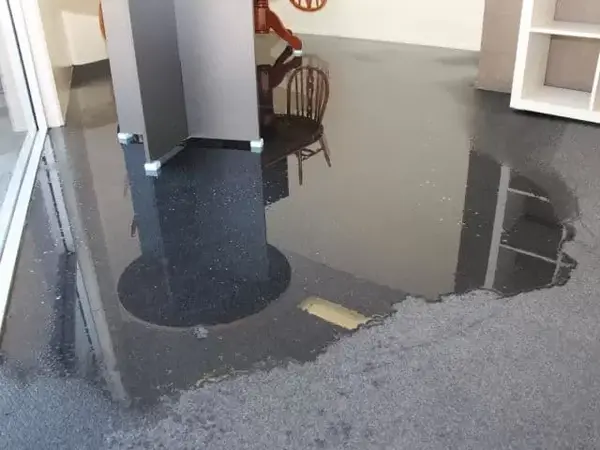
A Local Homeowner Guide: Carpet Cleaning After Flooding in Merritt Island in Older Homes
Flooding can be especially difficult for homeowners in Merritt Island, particularly in older homes where building materials, insulation, and flooring systems may not be as moisture-resistant as those in newer construction. Whether flooding is caused by heavy summer storms, plumbing failures, or roof leaks that spread into living areas, carpets are often one of the first materials affected.
Understanding how carpet cleaning after flooding works—and why proper drying is so important—can help homeowners protect their property and prevent long-term damage.
Why Older Homes Are More Vulnerable to Flood Damage
Older homes in Merritt Island often contain materials that absorb and retain moisture more easily. Wood subfloors, older carpet padding, and less efficient ventilation systems can allow moisture to linger longer than expected.
Several factors increase the risk in older properties:
- Carpet padding that absorbs large amounts of water
- Wooden subfloors that hold moisture
- Limited airflow in older layouts
- Aging plumbing systems
- Roofs or flashing that may allow minor leaks
In coastal communities like Cocoa Beach and Rockledge, high humidity further slows the drying process, making thorough cleaning and drying essential.
What Happens to Carpets After Flooding
When water enters a home, it quickly spreads through multiple layers of flooring:
- Carpet fibers
- Carpet padding
- Subflooring
- Baseboards and nearby drywall
Even after standing water is removed, moisture may remain trapped in padding or wood beneath the carpet. In Florida’s humid climate, this moisture can persist long enough to cause odors, staining, or structural weakening if not properly addressed.
Professional carpet cleaning after flooding focuses on removing moisture from all affected layers—not just the visible surface.
Early Signs Carpets Need Attention
Flood damage is not always obvious immediately. Many homeowners first notice subtle warning signs that indicate moisture is still present.
Common signs include:
- Musty or damp odors
- Carpet that feels cool or slightly damp
- Dark or discolored areas
- Warping baseboards or trim
- Increased indoor humidity
These symptoms often appear days after the flooding event and should be taken seriously.
Hidden Moisture Problems Beneath the Surface
One of the biggest challenges after flooding is moisture that remains out of sight. Carpet padding acts like a sponge, and subfloors can absorb water that is not visible from above.
Hidden problems may include:
- Damp padding that never fully dries
- Subfloor swelling or weakening
- Moisture migrating into nearby walls
- Persistent odors caused by trapped moisture
Moisture detection equipment is often used to identify these conditions before they lead to more serious repairs.
Why DIY Carpet Drying Often Falls Short
Many homeowners attempt to dry carpets using fans or household equipment. While this may help remove some surface moisture, it rarely dries deeper layers effectively.
DIY drying often fails because:
- Airflow is not strong enough to reach padding
- Humidity slows evaporation
- Moisture levels are not measured
- Hidden damp areas remain undetected
Without proper drying, carpets may appear dry but still contain moisture that can cause long-term damage.
How Professional Carpet Cleaning After Flooding Works
Professional services follow a structured process designed to restore carpets safely and thoroughly.
Typical steps include:
- Inspection and moisture detection to identify affected areas
- High-capacity water extraction
- Lifting carpets when necessary to dry padding and subfloor
- Placement of air movers to increase airflow
- Use of dehumidifiers to remove moisture from the air
- Monitoring moisture levels until materials reach safe ranges
Companies such as Palm Bay Mold Removal often perform these services in Merritt Island, Melbourne, and Titusville, particularly after heavy storms or plumbing failures.
Structural Drying and Water Damage Repair
Flooding rarely affects carpets alone. Water can spread into:
- Drywall and insulation
- Wooden framing
- Cabinets or built-in furniture
- Baseboards and trim
Structural drying helps prevent deterioration and prepares areas for repairs if necessary. Ensuring that surrounding materials are fully dry is essential for long-term stability.
Indoor Air Quality After Flooding
Flooding can also affect indoor air quality. Damp carpets and building materials may release odors and particles that circulate through the home.
Potential concerns include:
- Musty smells
- Increased humidity
- Dust sticking to damp surfaces
- Reduced airflow efficiency
Inspecting HVAC systems and ensuring proper ventilation often improves indoor comfort after restoration.
Preventing Future Carpet Damage
While flooding cannot always be avoided, homeowners can reduce the risk of long-term damage by taking preventive steps.
Helpful measures include:
- Removing standing water as quickly as possible
- Inspecting roofs and plumbing regularly
- Cleaning gutters and drainage systems
- Monitoring humidity levels indoors
- Scheduling moisture inspections after flooding
Routine maintenance in coastal areas like Satellite Beach and Palm Bay often helps identify small problems before they become serious.
Why Local Experience Matters
Flood restoration in Florida requires an understanding of local environmental conditions. High humidity, warm temperatures, and frequent storms all influence how moisture spreads and how long drying takes.
Local professionals understand:
- Construction methods common in Brevard County homes
- Typical moisture patterns in older properties
- Effective drying techniques in humid climates
- Areas where hidden moisture is most likely to remain
Palm Bay Mold Removal has experience working with homeowners in Merritt Island and surrounding communities, helping address both immediate water damage and long-term prevention.
A Practical Approach for Homeowners
Flooding in older homes can be stressful, but prompt action makes a major difference. Proper carpet cleaning, moisture detection, and structural drying help prevent long-term damage and protect indoor comfort.
By paying attention to early warning signs and responding quickly, homeowners in Merritt Island can keep their homes dry, comfortable, and structurally sound—even after unexpected flooding.