
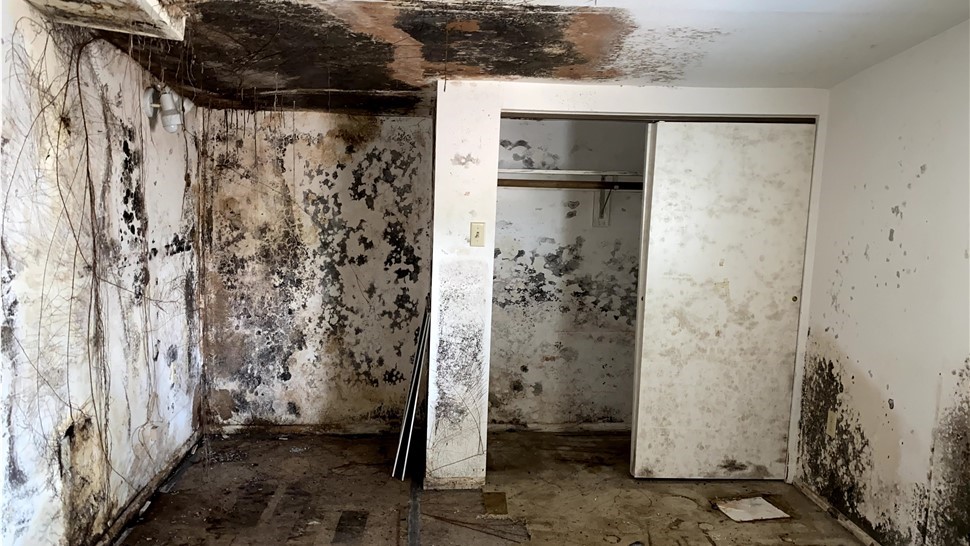
A Local Homeowner Guide: Black Mold Removal in Merritt Island in Coastal Homes
Living in Merritt Island means being surrounded by water — the Indian River Lagoon on one side, the Banana River on the other, and the Atlantic just minutes away. That coastal setting is beautiful, but it also creates constant humidity pressure on homes.
In this environment, black mold is rarely caused by one dramatic event. More often, it develops slowly after roof leaks, AC condensation problems, minor plumbing issues, or prolonged high humidity. Coastal air doesn’t need flooding to create mold conditions. It just needs trapped moisture and time.
For homeowners in Merritt Island, understanding how black mold removal works — and how to prevent it from coming back — is essential for protecting your property long-term.
Why Coastal Homes in Merritt Island Are More Vulnerable
Coastal humidity behaves differently than inland moisture. In Merritt Island, air remains humid for much of the year, even outside storm season. When indoor humidity rises above 60 percent, surfaces such as drywall, wood framing, and duct insulation can begin absorbing moisture.
Common contributing factors include:
Roof flashing leaks after storms
Sliding door seal failures
Clogged AC condensate lines
Attic ventilation imbalance
Plumbing seepage behind walls
Slab foundation moisture migration
Homes in nearby Cocoa Beach and Satellite Beach face similar humidity levels, but Merritt Island’s lagoon proximity keeps ambient moisture consistently elevated.
Older homes and tightly sealed newer homes can both experience mold issues — just for different reasons. Older homes may have ventilation gaps. Newer homes may trap humidity if airflow is not balanced properly.
Early Warning Signs of Black Mold
Black mold rarely appears overnight in large visible patches. It often begins subtly.
Watch for:
Musty or earthy odors
Dark spotting along drywall seams
Peeling or bubbling paint
Soft baseboards
Warped trim
Persistent indoor humidity
If the odor becomes stronger when the AC turns on, duct-related moisture may be involved.
Ignoring these signs allows mold to spread behind surfaces.
Where Black Mold Commonly Develops in Merritt Island Homes
In coastal homes, mold tends to appear in predictable zones:
Attics with poor ventilation
Behind bathroom walls
Under kitchen sinks
Inside HVAC air handlers
Around window frames
Beneath carpet padding after leaks
Attics are especially vulnerable. During summer, hot attic air meets cooler roof decking and duct surfaces. Condensation may form, creating damp insulation and framing.
Without inspection, these areas go unnoticed until staining appears on ceilings.
Step-by-Step Black Mold Removal Process
Step 1: Identify and Correct the Moisture Source
Before removal begins, the source must be fixed.
This may include:
Roof repair
Plumbing repair
Drain line clearing
Improving attic ventilation
Sealing windows and doors
Removing mold without addressing moisture leads to recurrence.
Palm Bay Mold Removal often begins Merritt Island projects with comprehensive moisture detection to confirm stabilization before remediation.
Step 2: Professional Mold Inspection
Inspection determines the full scope of contamination.
This includes:
Visual assessment
Moisture meter readings
Thermal imaging
Attic inspection
HVAC evaluation
Surface discoloration rarely reveals the entire affected area.
Hidden moisture inside insulation or framing must be identified before removal.
Step 3: Containment of Affected Areas
Containment prevents mold spores from spreading during removal.
Plastic barriers isolate impacted spaces. Negative air machines create controlled airflow.
HEPA filtration systems operate during remediation.
Containment is especially important in open floor plan coastal homes.
Step 4: Removal of Contaminated Materials
Porous materials heavily affected by mold typically require removal.
These may include:
Drywall
Insulation
Carpet padding
Ceiling panels
Baseboards
Structural framing can often be cleaned if contamination is limited to the surface.
Leaving saturated materials in place increases moisture retention and recurrence risk.
Step 5: Cleaning and Surface Treatment
After removal, structural components are thoroughly cleaned.
HEPA vacuuming removes residual particles.
Targeted cleaning methods are applied to framing and surfaces.
Odors usually improve significantly once contaminated materials are eliminated.
Step 6: Structural Drying and Humidity Stabilization
Drying is critical in Florida’s coastal climate.
Commercial dehumidifiers and air movers reduce moisture levels inside walls and ceilings.
Humidity should remain below 60 percent during and after remediation.
Moisture readings confirm that materials are stable before reconstruction begins.
Rebuilding too quickly can trap residual moisture.
HVAC and Duct Considerations in Coastal Homes
Black mold removal often includes evaluating HVAC systems.
Inspection may involve:
Clearing condensate drain lines
Replacing air filters
Checking duct insulation
Ensuring airflow balance
Damp duct insulation may require replacement.
Maintaining proper airflow reduces condensation buildup.
AC systems play a major role in long-term moisture control.
Slab Foundations and Ground Moisture
Many Merritt Island homes are built on slab foundations.
After heavy rain, groundwater levels may rise.
Moisture can migrate upward into flooring and lower drywall sections.
Professional moisture detection confirms slab-related dampness.
Improving exterior drainage reduces recurrence risk.
Preventing Black Mold in Merritt Island Coastal Homes
Prevention is ongoing.
Inspect roofing annually.
Replace aging plumbing components proactively.
Flush AC condensate lines regularly.
Monitor indoor humidity with a hygrometer.
Inspect attics after major storms.
Seal sliding doors and windows periodically.
Maintaining indoor humidity below 60 percent is critical.
Routine inspections prevent small moisture issues from becoming larger problems.
Why Local Experience Matters
Merritt Island homes face environmental pressures different from inland communities.
Lagoon humidity, storm exposure, and year-round AC use create consistent moisture stress.
Professionals familiar with Brevard County construction styles understand common attic layouts, slab behaviors, and HVAC configurations in coastal homes.
Palm Bay Mold Removal has worked throughout Merritt Island and surrounding communities, addressing black mold issues specific to Florida’s coastal climate.
Protecting Your Coastal Home Long-Term
Black mold removal in Merritt Island coastal homes requires more than cleaning visible spots. It demands moisture source correction, controlled containment, structural drying, and long-term humidity management.
Ignoring early warning signs often leads to recurring damage and higher repair costs.
By combining professional inspection, targeted remediation, ventilation improvements, and preventative maintenance, homeowners can protect their properties effectively.
In Florida’s humid coastal environment, proactive moisture management remains the strongest defense against black mold.