
Duct Cleaning Services in Palm Bay After Roof Leaks: Complete Guide for Homeowners
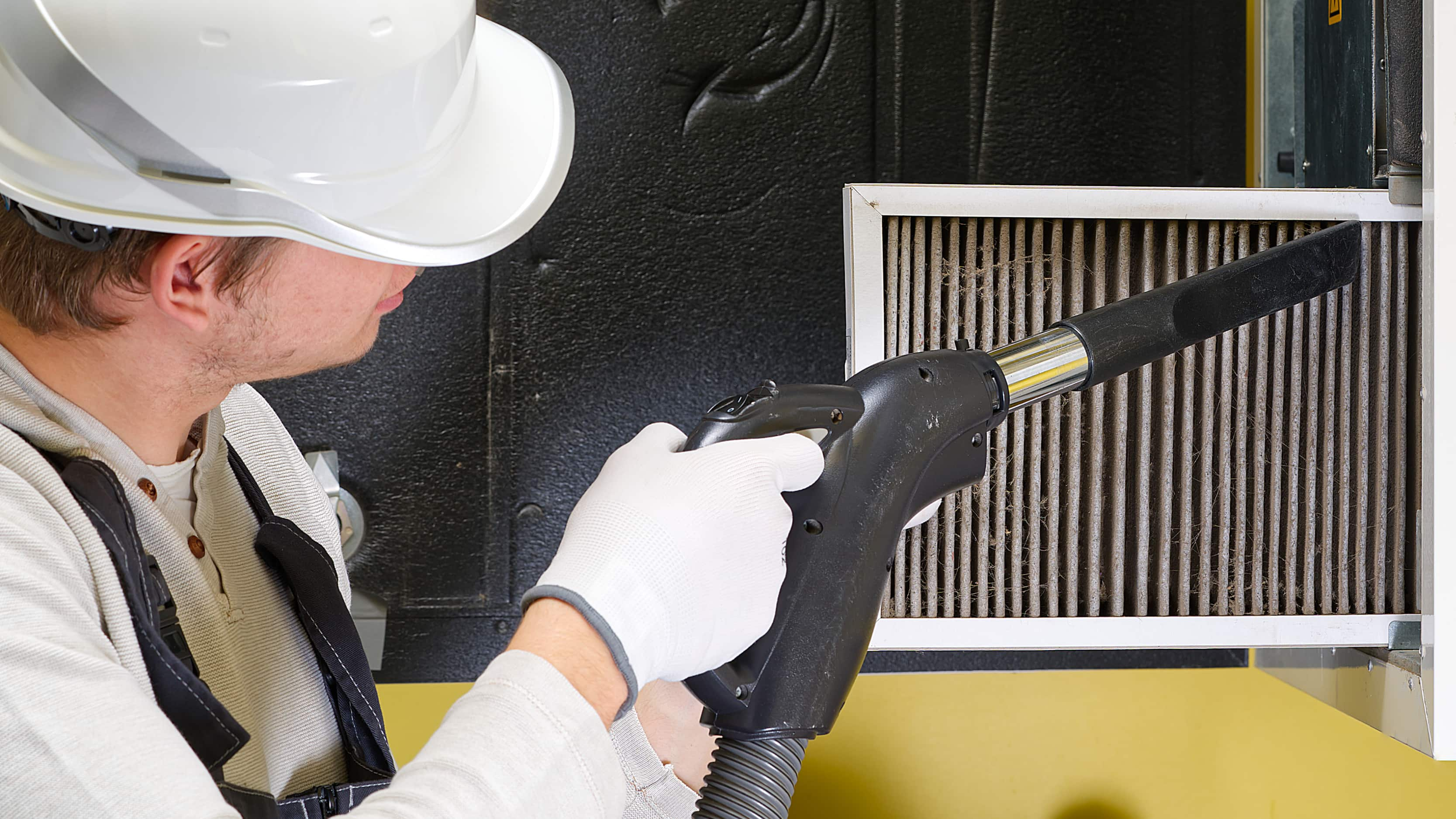
Roof leaks in Palm Bay rarely stay contained to just the ceiling. Water travels. It follows framing, drips along insulation, and sometimes finds its way into ductwork — especially in homes with attic-installed HVAC systems.
Once moisture reaches your ducts, the problem shifts from just structural repair to indoor air quality. Damp duct interiors combined with Florida humidity create the perfect environment for dust buildup, odors, and potential mold growth.
If your home recently experienced a roof leak, here’s what you need to know about duct cleaning services and why they matter.
How Roof Leaks Affect Duct Systems
In many Palm Bay homes, ductwork runs through the attic. When a roof leak occurs, water can:
- Drip onto flexible duct lines
- Soak insulation surrounding ducts
- Enter return plenums
- Pool near ceiling vent connections
Even minor leaks can introduce moisture into the system. If the AC continues running, humid air circulates through damp ducts, spreading odors and particles throughout the house.
The longer moisture sits inside duct materials, the greater the contamination risk.
Warning Signs Your Ducts Were Impacted
After a roof leak, watch for:
- Musty smells when the AC turns on
- Water stains around ceiling vents
- Reduced airflow
- Increased dust in living areas
- Visible condensation near vents
Sometimes the signs are subtle. In Palm Bay’s humid climate, moisture doesn’t always evaporate quickly.
If attic insulation was wet, there’s a good chance duct insulation was affected too.
Why Drying Alone Isn’t Always Enough
If ductwork was exposed to water, simply fixing the roof and waiting isn’t sufficient.
Moisture can:
- Stick to dust inside ducts
- Soften duct insulation
- Create hidden damp pockets
- Affect air handler components
Once dust and moisture combine, odors and microbial growth become more likely.
Duct cleaning removes debris that moisture clings to, reducing future contamination risk.
The Complete Duct Cleaning Process
Professional duct cleaning after roof leaks typically includes:
1. Inspection
Technicians evaluate duct lines, insulation, and vent connections for moisture damage.
2. Moisture Confirmation
Moisture meters confirm whether duct interiors are dry before cleaning begins.
3. Negative Air Setup
A high-powered vacuum system creates negative pressure to prevent debris from spreading.
4. Agitation and Debris Removal
Rotating brushes and air tools dislodge dust and contaminants.
5. HEPA Filtration
Captured debris is filtered to prevent recirculation.
6. Vent and Register Cleaning
Supply and return vents are cleaned thoroughly.
If duct insulation is severely water-damaged, sections may need replacement rather than cleaning.
When Duct Replacement May Be Necessary
In some cases, roof leak exposure causes:
- Collapsed flex ducts
- Mold-contaminated insulation
- Persistent odor even after cleaning
If duct materials are saturated or deteriorating, replacing affected sections is often the safer solution.
Professional evaluation determines whether cleaning is sufficient or replacement is required.
HVAC System Inspection Matters Too
Roof leaks sometimes affect more than ducts.
Water can reach:
- Air handlers
- Return plenums
- Condensate drain lines
- Attic-mounted units
If HVAC components are exposed to moisture, they should be inspected and serviced before continued operation.
Running air through damp components can spread contamination throughout the home.
Preventing Future Duct Contamination
After roof repairs and duct cleaning, prevention becomes the priority.
Palm Bay homeowners should:
- Schedule annual roof inspections
- Check attic insulation after storms
- Replace air filters regularly
- Monitor indoor humidity (45–55%)
- Inspect attic duct connections periodically
Routine maintenance reduces the likelihood of recurring problems.
Why Local Experience in Palm Bay Matters
Palm Bay’s climate presents unique challenges:
- High humidity
- Frequent summer storms
- Slab foundations with attic duct systems
- Year-round AC usage
Moisture behavior in Florida is different from drier climates. Ducts may take longer to dry, and humidity can prolong contamination.
Palm Bay Mold Removal works throughout Palm Bay and surrounding Brevard County communities, providing moisture detection, mold remediation, and duct cleaning services tailored to Florida homes.
Local knowledge helps identify how roof leak water typically spreads and where duct contamination is most likely.
Costs of Duct Cleaning After Roof Leaks
Costs vary depending on:
- Size of the home
- Number of vents
- Extent of contamination
- Accessibility of attic ductwork
- Need for partial replacement
While professional duct cleaning is an investment, ignoring contamination often leads to:
- Ongoing odors
- Reduced HVAC efficiency
- Higher energy bills
- Recurring mold issues
Addressing the issue early typically reduces long-term costs.
Final Thoughts for Palm Bay Homeowners
After a roof leak, focusing only on ceiling repairs can overlook hidden HVAC impacts.
Duct cleaning helps by:
- Removing moisture-bound debris
- Reducing odors
- Improving airflow
- Protecting indoor air quality
- Supporting long-term HVAC performance
If your Palm Bay home experienced a roof leak and you’ve noticed changes in airflow or air quality, inspecting your duct system is a smart next step.
In Florida’s humid environment, thorough evaluation and cleaning help ensure your home is truly restored — not just patched.