
How Flood Restoration Helps Homes in Melbourne Rental Properties
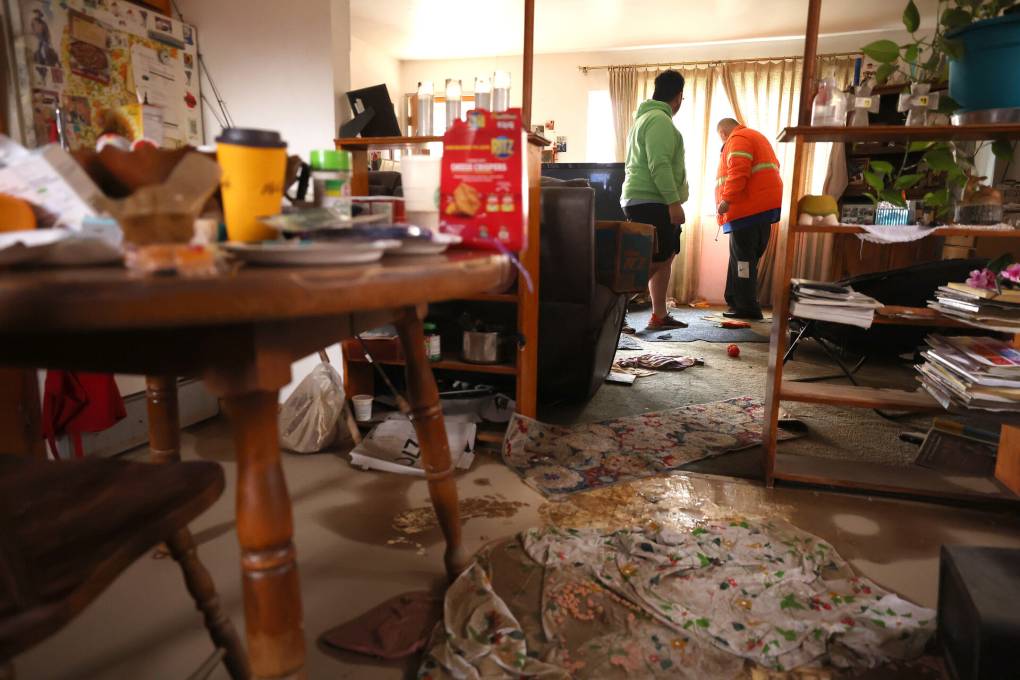
Rental properties in Melbourne face the same Florida weather risks as owner-occupied homes — heavy rain, tropical systems, plumbing failures, and constant humidity. The difference? Rental homes often experience delayed reporting and higher wear, which can make water damage worse before anyone steps in.
Flood restoration in rental properties isn’t just about drying floors. It protects your structure, preserves your investment, and prevents long-term mold issues that can affect tenants and property value.
If you own rental property in Melbourne, here’s how proper flood restoration helps.
Why Rental Properties in Melbourne Are Vulnerable
Melbourne’s climate brings:
- Heavy summer storms
- Hurricane season rain
- High year-round humidity
- Frequent AC usage
In rental properties, additional factors increase risk:
- Tenants may not report minor leaks immediately
- High plumbing usage
- Appliances under heavier wear
- Extended vacancy between tenants
Water damage spreads quietly. By the time it’s visible, moisture may already be inside walls, insulation, and flooring.
Immediate Water Extraction Protects the Structure
When flooding occurs — whether from a storm or a burst pipe — standing water must be removed quickly.
Professional extraction equipment:
- Removes water from carpet and padding
- Extracts moisture from hardwood or laminate
- Clears water from tile and slab surfaces
The faster water is removed, the less it penetrates structural materials.
In Melbourne’s humid environment, speed makes a major difference.
Moisture Detection Prevents Hidden Damage
After visible water is gone, hidden moisture often remains.
Common hidden areas in rental homes include:
- Behind baseboards
- Inside drywall
- Beneath vinyl plank flooring
- Under cabinets
- Around door frames
Professional moisture mapping uses meters and thermal imaging to detect damp areas that aren’t visible.
Skipping this step often leads to recurring mold complaints later.
Mold Prevention Is a Major Benefit
In Florida, mold can begin forming within 24–48 hours after water exposure.
Rental properties are especially vulnerable because:
- Humidity remains high
- AC systems may not run continuously during vacancy
- Moisture can linger unnoticed
Flood restoration includes controlled drying and dehumidification to reduce mold risk.
Preventing mold protects both tenant satisfaction and your long-term repair budget.
Drying Equipment and Controlled Environment
Simply opening windows in Melbourne rarely solves the problem. Outdoor air often carries high humidity.
Professional restoration uses:
- Industrial air movers
- Commercial dehumidifiers
- Moisture monitoring equipment
This creates a controlled drying environment that pulls moisture from structural materials efficiently.
Complete drying before repairs is critical.
Protecting Flooring in Rental Properties
Flooring is one of the most expensive components to replace.
Flood restoration helps salvage flooring when possible by:
- Extracting water quickly
- Reducing warping
- Preventing adhesive breakdown
- Monitoring subfloor moisture
However, if contamination is present (such as stormwater intrusion), some materials may need removal for safety reasons.
Early intervention increases the chance of saving materials.
HVAC System Inspection
Water damage in rental properties can affect HVAC systems.
Moisture may enter:
- Air returns
- Ductwork
- AC closets
- Condensate systems
If damp ductwork circulates air, odors and contamination can spread throughout the property.
Flood restoration includes evaluation of nearby HVAC components to prevent secondary issues.
Reducing Tenant Complaints and Downtime
Unresolved water damage often leads to:
- Musty smells
- Warped flooring
- Peeling paint
- Visible staining
These issues create dissatisfaction and can lead to tenant turnover.
Prompt restoration reduces downtime between tenants and keeps rental income stable.
Slab Construction and Moisture in Melbourne
Many Melbourne rental homes are built on slab foundations.
Water can spread across the slab and migrate under flooring before becoming noticeable.
Slab moisture detection ensures:
- No damp areas remain under finished floors
- Adhesives are not compromised
- Subflooring remains structurally sound
This step is especially important in Florida homes.
Restoration Before Reconstruction
One of the most common mistakes is rebuilding too soon.
If drywall or flooring is replaced before complete drying:
- Moisture becomes trapped
- Mold develops behind new materials
- Repairs must be repeated
Flood restoration ensures moisture levels are safe before reconstruction begins.
Why Local Experience Matters
Flood restoration in Melbourne requires understanding:
- Florida humidity patterns
- Slab-on-grade construction
- Storm-related intrusion patterns
- AC condensation behavior
Palm Bay Mold Removal has worked throughout Melbourne and surrounding Brevard County communities, assisting rental property owners with water damage and moisture control.
Local experience helps identify where hidden moisture typically collects and how to dry structures effectively in Florida’s climate.
Preventing Future Flood Issues in Rental Homes
Property owners can reduce risk by:
- Inspecting roofs annually
- Cleaning gutters regularly
- Checking plumbing connections during tenant turnover
- Servicing HVAC systems yearly
- Monitoring indoor humidity
Routine maintenance protects against large restoration projects later.
Final Thoughts for Rental Property Owners
Flooding in Melbourne rental properties isn’t just inconvenient — it’s a structural risk.
Proper flood restoration helps by:
- Removing water quickly
- Detecting hidden moisture
- Preventing mold growth
- Protecting flooring and framing
- Reducing tenant disruption
Acting quickly after water damage preserves both the property and your investment.
In Florida’s humid environment, thorough restoration is not optional — it’s essential.