
Carpet Cleaning After Flooding in Rockledge Commercial Buildings: What Homeowners Should Know
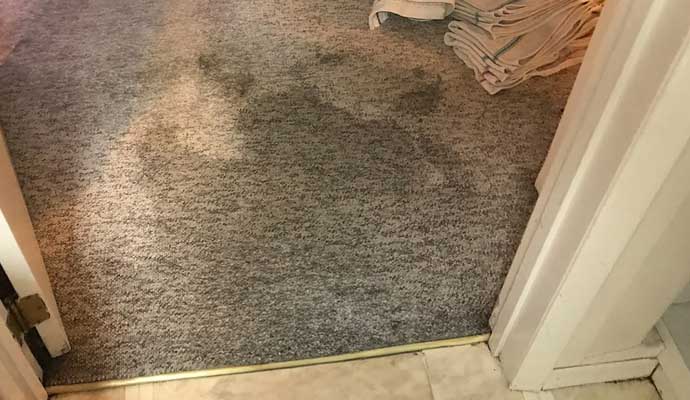
Flooding in Rockledge doesn’t just impact homes. Commercial buildings — offices, retail spaces, medical suites, and small business properties — are just as vulnerable. When floodwater soaks into commercial carpet, the clock starts ticking fast.
If you own a commercial property in Rockledge, or lease space to tenants, understanding how carpet cleaning after flooding works can save you from long-term damage, mold growth, and expensive flooring replacement.
Here’s what every property owner should know.
Why Commercial Carpet Is Different After Flooding
Commercial carpeting is built differently than residential carpet. It often includes:
- Glued-down carpet tiles
- Low-pile broadloom carpeting
- Heavy rubber or foam backing
- Moisture barriers
- Dense padding underneath
When floodwater enters a commercial space, it spreads quickly across wide, open floor plans. Offices and storefronts in Rockledge typically have fewer walls, which allows water to travel farther than in a home.
Worse, commercial carpets are frequently installed directly over concrete slabs. In Florida’s humid climate, that slab can hold moisture long after surface water is removed.
Not All Floodwater Is the Same
The cleaning process depends heavily on the source of the water.
In Rockledge, commercial flooding often comes from:
- Heavy rain intrusion during storms
- Roof leaks
- Overflowing drains
- Plumbing failures
- Storm surge during hurricanes
If floodwater is contaminated (for example, from outside runoff), the carpet may not be salvageable. Porous materials can absorb bacteria and debris, making replacement safer than cleaning.
A proper assessment is always the first step.
Why Immediate Extraction Matters
Time is critical.
Within 24–48 hours in Rockledge’s warm environment, damp carpet can begin developing mold. And once mold reaches the backing and padding, remediation becomes far more complex.
Professional water extraction equipment removes:
- Surface water
- Deep moisture within fibers
- Moisture trapped between carpet and slab
Shop vacs and household fans are rarely sufficient for commercial-scale damage.
Hidden Moisture Beneath the Surface
One of the biggest misconceptions property owners have is assuming the carpet is dry because it feels dry.
Commercial carpet systems trap moisture in:
- Padding layers
- Adhesives
- Subfloor cracks
- Expansion joints in slabs
If moisture remains underneath, mold can grow out of sight, eventually causing odor, staining, and indoor air quality issues.
Professional moisture meters and thermal imaging are often used to confirm complete drying.
When Carpet Can Be Saved — and When It Cannot
Not all flooded carpet needs replacement. In Rockledge commercial buildings, carpet may be salvageable if:
- Water intrusion was clean (like a supply line leak)
- Extraction began immediately
- Drying was thorough
- No contamination occurred
- Mold has not started forming
However, carpet typically must be removed if:
- Floodwater came from outside
- There is visible mold growth
- The backing is separating
- Odors persist after drying
- Padding is saturated and deteriorating
In commercial settings, it’s often more cost-effective to replace heavily contaminated sections rather than risk ongoing mold issues.
The Professional Carpet Cleaning Process After Flooding
When handling commercial carpet flooding in Rockledge, professionals typically follow these steps:
1. Inspection and Classification
Identify water type and extent of spread.
2. Water Extraction
Use high-powered extraction machines to remove standing and embedded water.
3. Carpet Lifting (If Necessary)
In some cases, carpet is partially lifted to allow direct slab drying.
4. Dehumidification and Air Movement
Industrial dehumidifiers and air movers are strategically placed.
5. Antimicrobial Treatment
Applied to reduce microbial growth risk when appropriate.
6. Monitoring Moisture Levels
Daily checks ensure drying goals are met before restoration is complete.
Skipping any of these steps increases the risk of recurring problems.
The Role of HVAC Systems in Commercial Spaces
Flooding doesn’t just affect floors.
In Rockledge commercial buildings, HVAC systems can:
- Pull in humid air
- Circulate mold spores
- Spread moisture into ductwork
After carpet flooding, it is often necessary to inspect nearby vents and returns. Air ducts in low-lying commercial units are particularly vulnerable.
If HVAC contamination occurs, cleaning the carpet alone will not resolve indoor air concerns.
Mold Risk in Rockledge’s Climate
Florida’s humidity makes drying more complicated than in other states.
Even after visible water removal, ambient humidity in Rockledge can slow drying times. Commercial properties left closed after flooding often trap moisture inside.
Without controlled dehumidification, carpet fibers can remain damp long enough to allow mold growth.
That is why professional drying equipment — not just open windows — is critical.
Protecting Tenants and Business Operations
For commercial property owners, flooding affects more than flooring. It impacts:
- Tenant operations
- Employee safety
- Customer experience
- Lease agreements
Delays in proper carpet cleaning can lead to odor complaints, visible staining, and indoor air quality concerns that disrupt business continuity.
Prompt professional response reduces downtime and protects your investment.
Preventing Future Carpet Flood Damage
While storms can’t be prevented, risk can be reduced.
Rockledge commercial property owners should:
- Inspect roofing systems annually
- Maintain exterior drainage
- Ensure door seals are intact
- Check plumbing lines regularly
- Monitor slab moisture in older buildings
Preventive maintenance lowers the likelihood of widespread carpet damage during the next heavy rain event.
Why Local Experience Matters
Flooding patterns in Rockledge differ from inland areas. Proximity to the Indian River Lagoon, seasonal storms, and Florida’s slab construction all influence how water behaves inside commercial properties.
Palm Bay Mold Removal has worked throughout Rockledge and surrounding Brevard County communities, addressing both residential and commercial water damage. Understanding local building styles and climate patterns allows faster identification of moisture risks beneath carpet systems.
That local insight helps ensure drying is complete — not just surface-level.
Final Thoughts for Property Owners
Commercial carpet flooding in Rockledge is not just a cosmetic issue. It is a structural and indoor air quality concern that requires fast, informed action.
The key takeaways:
- Act immediately
- Confirm the water source
- Use professional extraction
- Verify full drying
- Address HVAC exposure
- Replace materials when contamination is present
Handled correctly, commercial carpet can often be restored. Handled improperly, it becomes a recurring mold and odor problem.
Taking the right steps early protects both your property and the businesses that rely on it.