
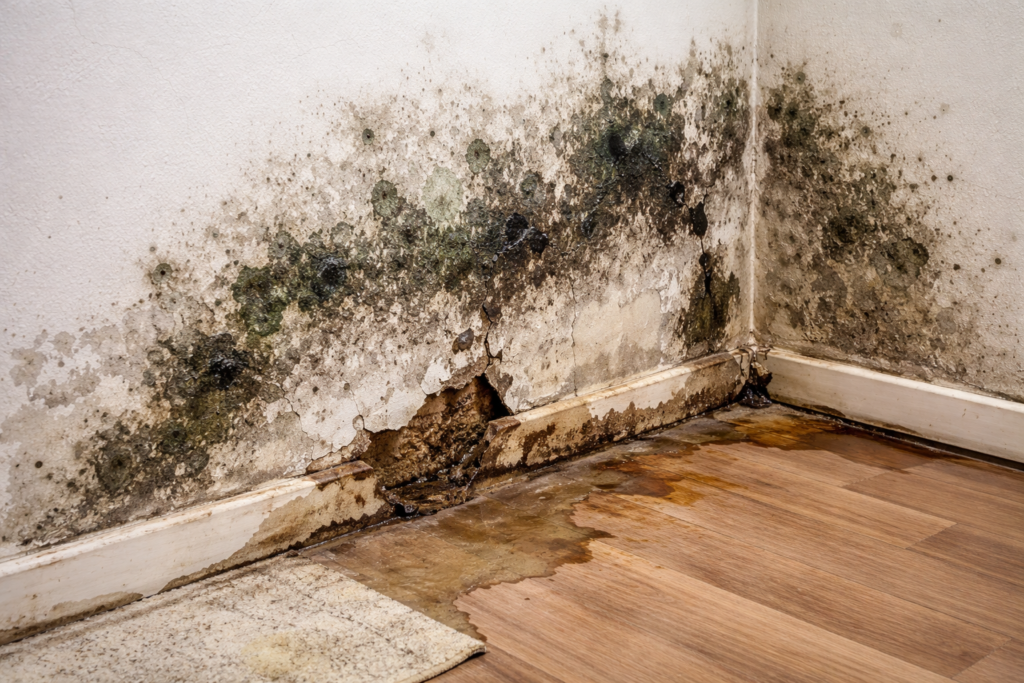
Professional Tips for Property Owners: Mold Removal in Viera After Flooding
Flooding in Viera is something property owners have learned not to take lightly. Between heavy summer storms, hurricanes pushing inland from the coast, and sudden downpours that overwhelm drainage systems, water intrusion can happen fast. The real problem, though, often starts after the water recedes.
Mold growth is one of the most common and costly consequences of post-flood conditions in Viera homes and rental properties. Acting quickly and correctly makes the difference between a manageable cleanup and a long-term structural issue.
Here are professional, practical tips every property owner in Viera should understand when dealing with mold after flooding.
Act Immediately — Time Is Critical
Mold can begin developing within 24 to 48 hours after water exposure. In Florida’s warm and humid climate, that timeline can move even faster.
After flooding:
- Remove standing water as quickly as possible.
- Extract water from carpets and flooring using proper equipment.
- Begin drying immediately with dehumidifiers and air movers.
- Remove soaked materials that cannot be salvaged.
The longer moisture remains trapped in drywall, insulation, baseboards, and flooring, the more extensive mold growth becomes. Quick action reduces both contamination and repair costs.
Understand Where Mold Hides After Flooding
Many property owners assume mold will be obvious. Sometimes it is. Often, it is not.
Common hidden post-flood mold locations in Viera homes include:
- Behind baseboards and inside wall cavities
- Under laminate, vinyl plank, or tile flooring
- Inside insulation
- Beneath cabinets
- Inside air ducts
- Around window frames and exterior walls
Floodwater doesn’t just sit on surfaces. It seeps into porous materials and remains there long after visible water disappears.
Professional moisture detection is critical to identify these hidden pockets.
Avoid Common DIY Mold Removal Mistakes
It is understandable to want to handle cleanup independently, especially in rental properties or investment homes. However, post-flood mold removal is not the same as wiping mildew off a bathroom tile.
Common mistakes include:
- Using bleach on porous materials
- Painting over mold-stained areas
- Failing to remove contaminated drywall
- Incomplete drying before rebuilding
- Not using containment during cleanup
Bleach may lighten surface stains but does not penetrate drywall or wood to eliminate mold roots. Improper cleanup can actually spread spores to unaffected areas.
When mold results from flooding, proper containment, HEPA filtration, and removal protocols are necessary.
Professional Mold Inspection Makes a Difference
After flooding in Viera, a detailed mold inspection should be one of the first steps.
A proper inspection includes:
- Moisture meter readings
- Thermal imaging scans
- Humidity assessment
- Evaluation of affected building materials
- Determining the source of moisture
The goal is not just to remove visible mold but to ensure the structure is fully dry and safe for rebuilding.
Skipping this step often leads to recurring mold problems months later.
Proper Mold Remediation Process
Professional mold remediation after flooding follows a structured process:
- Containment – Affected areas are isolated to prevent cross-contamination.
- Air Filtration – HEPA air scrubbers remove airborne spores.
- Removal of Damaged Materials – Contaminated drywall, insulation, and flooring are safely removed.
- Cleaning and Treatment – Structural framing and salvageable materials are cleaned and treated.
- Drying and Monitoring – Industrial drying equipment ensures complete moisture removal.
- Verification – Moisture levels are confirmed before reconstruction begins.
This process protects the rest of the property and ensures mold does not return.
Pay Attention to HVAC Systems
Flooding combined with Florida humidity can create problems inside HVAC systems.
Moisture can enter:
- Air ducts
- Return plenums
- Air handler units
- Insulation around ductwork
If contaminated air circulates through the property, mold spores can spread far beyond the original flooded area.
After flooding in Viera, it is important to inspect and, if necessary, clean ductwork and HVAC components before restoring normal air circulation.
Protect Rental Properties and Investment Homes
For landlords and property managers in Viera, flooding and mold issues carry additional responsibility. Beyond structural damage, prolonged mold exposure can impact tenant satisfaction and occupancy rates.
Best practices include:
- Documenting water damage immediately
- Scheduling professional inspection promptly
- Communicating clearly with tenants
- Avoiding cosmetic repairs that hide underlying problems
A thorough remediation protects both the property value and long-term rental income.
Address the Source of Flooding
Mold removal alone is not enough. The source of the water intrusion must be corrected.
In Viera, common flooding causes include:
- Poor exterior drainage
- Blocked gutters
- Slab seepage
- Storm-driven roof leaks
- Foundation cracks
- Plumbing failures
Correcting these vulnerabilities reduces the risk of future mold problems during the next heavy storm.
Monitor Humidity After Restoration
Even after proper drying and remediation, Florida’s climate demands continued vigilance.
Indoor humidity should ideally remain between 45% and 55%. Higher levels create favorable conditions for mold regrowth.
Simple preventive steps include:
- Using dehumidifiers during humid months
- Maintaining HVAC systems regularly
- Inspecting roofs and windows annually
- Checking for musty odors periodically
Ongoing maintenance protects the investment long after cleanup is complete.
Why Local Experience Matters
Flood-related mold problems in Viera differ from those in drier climates. The combination of coastal weather patterns, building styles, and year-round humidity requires specialized understanding.
Local professionals familiar with Viera and surrounding Brevard County communities recognize:
- Typical moisture intrusion patterns
- Slab foundation behavior
- Common roofing vulnerabilities
- Seasonal storm impacts
Working with a company experienced in Florida flood restoration ensures remediation aligns with local environmental conditions.
Palm Bay Mold Removal has worked extensively throughout Viera and neighboring communities, helping property owners restore homes properly after flooding events. The focus is always on accurate moisture detection, thorough remediation, and long-term prevention.
Final Thoughts for Property Owners
Flooding can feel overwhelming. But mold problems become manageable when addressed quickly and professionally.
The key principles are simple:
- Act fast.
- Inspect thoroughly.
- Dry completely.
- Remove contamination properly.
- Fix the source.
When handled correctly, mold removal after flooding protects both the structure and the value of your property.
Taking a careful, informed approach today prevents larger, more expensive problems tomorrow.