
Carpet Cleaning After Flooding in Palm Bay Residential Homes: Warning Signs and Prevention
Flooding in Palm Bay homes doesn’t always come from dramatic storm surge. Sometimes it’s a clogged AC drain line during a humid week. Sometimes it’s a burst washing machine hose. Other times, it’s heavy seasonal rain pushing water under a door.
No matter the source, flooded carpet is never just a surface issue.
In Palm Bay and nearby Melbourne, Rockledge, and West Melbourne, we regularly see residential carpet damage that looked minor at first — until odors, staining, or mold developed weeks later.
Here’s what homeowners should know about carpet cleaning after flooding, the warning signs to watch for, and how to prevent future problems.
Why Flooded Carpet Is a Bigger Problem in Florida
Florida’s climate changes everything.
After flooding in Palm Bay:
- Indoor humidity remains high
- Evaporation happens slowly
- Carpet padding traps moisture
- Subfloors absorb water quickly
Even if the carpet surface feels dry after a day or two, padding underneath often stays wet much longer.
That hidden moisture is what causes long-term damage.
Early Warning Signs After Carpet Flooding
Flooding damage doesn’t always show up immediately.
Watch for these signs in your Palm Bay home:
- Musty or damp odor that lingers
- Carpet that feels slightly cool or clammy
- Rippling or buckling in the carpet
- Dark discoloration along baseboards
- Increased indoor humidity
- Allergy-like irritation indoors
In many Palm Bay homes near Malabar Road and Babcock Street, we inspect carpets that “look fine” but still test wet underneath.
Ignoring subtle signs often leads to mold remediation later.
Why Standard Carpet Cleaning Is Not Enough
Traditional carpet cleaning removes dirt — not floodwater saturation.
After flooding, carpet restoration must address:
- Carpet fibers
- Carpet padding
- Subfloor materials
- Adjacent drywall
- Baseboards
Steam cleaning alone can actually introduce more moisture if not paired with structural drying.
If padding remains damp, mold can begin growing within 24–48 hours in Florida’s climate.
What Proper Carpet Restoration Looks Like
Professional carpet cleaning after flooding follows a structured process.
Step 1: Water Extraction
High-powered extraction equipment removes as much standing water as possible.
The faster water is removed, the better the chance of saving the carpet.
Step 2: Carpet Lifting (When Necessary)
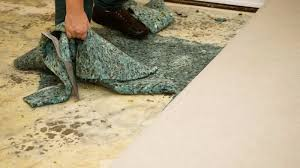
In many cases, carpet must be lifted to allow airflow directly to the padding and subfloor.
This prevents trapped moisture beneath the surface.
Step 3: Structural Drying
Industrial air movers and dehumidifiers dry:
- Carpet padding
- Subflooring
- Adjacent wall cavities
Moisture levels are monitored daily to confirm proper drying.
Step 4: Cleaning and Sanitizing
Once fully dry, carpet is cleaned to remove contaminants and odors.
This step restores indoor air quality and reduces microbial risk.
When Carpet Cannot Be Saved
In some cases, carpet removal is necessary.
Replacement is often required when:
- Water sat for several days
- Floodwater was contaminated
- Padding has deteriorated
- Mold growth is present
- Subfloor damage is extensive
In Palm Bay homes built on slab foundations, water can migrate laterally beneath carpet, making full drying more challenging.
Prompt response improves salvage chances.
The Role of Subfloor and Slab Moisture
Carpet isn’t the only concern.
After flooding, subfloor materials can retain moisture long after carpet feels dry.
In slab-on-grade homes common in Palm Bay and Merritt Island, water can spread under flooring before surfacing elsewhere.
Without moisture detection tools, hidden saturation often goes unnoticed.
That’s when long-term structural problems begin.
Mold Risk After Carpet Flooding
Flooded carpet creates ideal mold conditions:
- Warm indoor temperatures
- Trapped moisture
- Organic materials
Many mold remediation projects in Palm Bay, Melbourne, and Rockledge start with untreated carpet moisture.
Drying within the first 24–48 hours dramatically reduces this risk.
Waiting increases both cost and disruption.
AC Systems and Post-Flood Humidity
After flooding, AC systems often struggle to control rising indoor humidity.
Elevated humidity slows drying and increases mold risk.
Ensuring AC systems are functioning properly — and supplementing with dehumidifiers if needed — supports full restoration.
Humidity control is just as important as water removal.
Prevention Strategies for Palm Bay Homeowners
While flooding can’t always be prevented, risk can be reduced.
Palm Bay homeowners should:
- Replace aging plumbing supply lines
- Inspect washing machine hoses annually
- Flush AC drain lines twice per year
- Seal exterior doors properly
- Check roof flashing before storm season
- Monitor indoor humidity levels
Installing water detection alarms near appliances provides early warning.
Routine inspection prevents emergencies.
Why Local Experience Matters
Carpet cleaning after flooding in Palm Bay requires understanding:
- Florida humidity behavior
- Slab-on-grade construction
- Seasonal storm patterns
- AC-heavy home environments
Homes in Palm Bay behave differently than homes in dry regions.
Palm Bay Mold Removal regularly assists homeowners across Palm Bay, Melbourne, West Melbourne, Rockledge, Merritt Island, and Viera with water damage and carpet restoration.
Local familiarity ensures proper drying strategies for Florida conditions.
A Practical Next Step
If your Palm Bay home experienced carpet flooding — even if it seemed minor — early assessment is the safest approach.
Surface drying isn’t enough in Florida’s climate.
Prompt extraction, professional moisture detection, and controlled structural drying protect both your carpet and the materials beneath it.
In humid environments, small water problems rarely stay small. Acting early prevents larger restoration projects later.