
Palm Bay Mold Inspection in Coastal Homes: Inspection and Repair Guide
Living in a coastal part of Palm Bay has its perks — ocean breezes, water views, and warm weather year-round. But coastal homes also deal with something constant: moisture pressure.
Salt air, high humidity, heavy storms, and nonstop AC use create conditions where mold can develop quietly behind walls, in attics, or inside HVAC systems.
Mold inspection in coastal Palm Bay homes isn’t just about finding visible spots. It’s about identifying hidden moisture sources before structural damage spreads.
Here’s a practical inspection and repair guide for homeowners.
Why Coastal Palm Bay Homes Are More Vulnerable
Homes closer to the water — including areas near Micco, along the Indian River Lagoon, and throughout southeast Palm Bay — experience:
- Higher ambient humidity
- Salt air corrosion on roofing and HVAC components
- Wind-driven rain during storms
- Slab moisture migration
- Increased attic condensation
Even newer homes in nearby Melbourne and Satellite Beach face similar coastal conditions.
Moisture doesn’t need a major leak to cause problems. In Florida’s climate, small damp areas can turn into mold growth quickly.
What a Professional Mold Inspection Includes
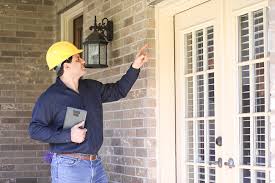
A proper mold inspection in Palm Bay coastal homes typically involves several steps:
1. Visual Assessment
Inspectors check:
- Ceiling corners
- Baseboards
- Window frames
- Under sinks
- Around sliding glass doors
- Attic access points
Coastal wind-driven rain often enters around window seals and roof penetrations.
2. Moisture Detection
Moisture meters identify elevated levels inside:
- Drywall
- Subfloors
- Cabinet bases
- Insulation
Hidden moisture is far more common than visible mold.
3. Attic Inspection
Attics are critical in coastal homes.
Inspectors check for:
- Wet insulation
- Roof decking staining
- Ventilation problems
- Condensation buildup
In Palm Bay and nearby Rockledge, attic mold is often discovered after minor storm leaks went unnoticed.
4. HVAC and Duct Evaluation
Because AC systems run heavily in coastal areas, inspectors examine:
- Condensate drain lines
- Air handler closets
- Return plenums
- Duct insulation
Moisture inside HVAC systems can circulate mold spores throughout the home.
5. Air Sampling (When Needed)
Air testing may be recommended if:
- Musty odors are present without visible growth
- There was recent storm or flood damage
- Indoor air concerns are reported
Testing provides data to guide next steps.
Early Warning Signs in Coastal Homes
Watch for these signs in your Palm Bay home:
- Persistent musty odors
- Ceiling stains after storms
- Peeling paint near windows
- Warped baseboards
- Excess indoor humidity
- Condensation on vents
Coastal humidity makes it easy to overlook subtle signs.
If moisture remains in the same area for days, it deserves inspection.
Common Coastal Mold Sources
In Palm Bay coastal homes, mold frequently originates from:
- Roof flashing failures
- Window frame intrusion
- Clogged gutters
- AC condensation issues
- Slab moisture migration
- Poor attic ventilation
Salt air can accelerate deterioration of roofing materials and HVAC components, increasing long-term moisture risk.
Routine inspections help identify these issues early.
What Happens If Mold Is Found
If mold is confirmed, the next step is identifying the moisture source and correcting it.
Repair and remediation may include:
- Roof repair or resealing
- Window resealing
- Drainage correction
- HVAC drain line cleaning
- Controlled removal of affected drywall or insulation
- Structural drying
Selective removal limits disruption while addressing the root problem.
Moisture correction always comes first.
Repair Considerations for Coastal Homes
After mold removal, coastal repair strategies should include:
- Upgrading roof materials when needed
- Improving attic ventilation
- Sealing exterior penetrations
- Replacing rusted HVAC components
- Adding dehumidification support
In Palm Bay, Viera, and Merritt Island homes near water, dehumidifiers often help maintain safe indoor humidity levels during peak summer months.
Prevention reduces recurrence.
Preventative Maintenance for Coastal Properties
Palm Bay homeowners can reduce mold risk by:
- Scheduling annual roof inspections
- Cleaning gutters quarterly
- Inspecting attic insulation after storms
- Flushing AC drain lines twice per year
- Monitoring indoor humidity (keep below 55%)
- Checking under sinks monthly
After hurricane season, a follow-up moisture check is especially important.
Small repairs prevent larger remediation later.
Why Local Experience Matters
Mold inspection in Palm Bay coastal homes requires understanding:
- Brevard County storm intensity
- Coastal wind-driven rain patterns
- Slab-on-grade moisture behavior
- Florida attic ventilation challenges
Homes near water behave differently than inland properties in Titusville or West Melbourne.
Palm Bay Mold Removal regularly performs mold inspections across Palm Bay, Melbourne, Rockledge, Merritt Island, Satellite Beach, and Viera.
Local familiarity allows faster identification of coastal-specific moisture risks.
A Practical Next Step
If you own a coastal home in Palm Bay and notice subtle moisture signs — or if your property recently experienced heavy storms — scheduling a professional mold inspection provides clarity.
Waiting for visible mold often means the issue has already spread.
Early detection, moisture correction, and targeted repairs protect your home’s structure and indoor environment.
In Florida’s coastal climate, prevention is always more effective than repair.