
A Local Homeowner Guide: Mold Inspection in Titusville Rental Properties
Rental properties in Titusville come with a different set of moisture risks than owner-occupied homes. Tenants may not notice early warning signs. Minor leaks can go unreported. AC systems run constantly. And Florida’s humidity does the rest.
If you own rental property in Titusville — whether near Garden Street, Port St. John, or closer to the Indian River Lagoon — understanding how mold inspection works can protect both your investment and your tenants.
Mold inspection isn’t about creating alarm. It’s about identifying moisture issues early, before they become expensive remediation projects.
Why Rental Properties in Titusville Face Higher Mold Risk
Several factors make rental properties more vulnerable:
- Delayed maintenance reporting
- Higher turnover between tenants
- Inconsistent HVAC use
- Storm-related roof leaks
- Plumbing issues under sinks or behind appliances
Titusville’s coastal humidity adds another layer of pressure. When moisture enters a property and isn’t dried quickly, mold can begin forming within 24–48 hours.
We often inspect rental homes where the tenant reported a “small stain,” but moisture had already spread inside walls.
What a Professional Mold Inspection Includes
A proper mold inspection goes beyond looking for visible spots.
In Titusville rental properties, inspection typically includes:
- Full visual assessment of interior and exterior
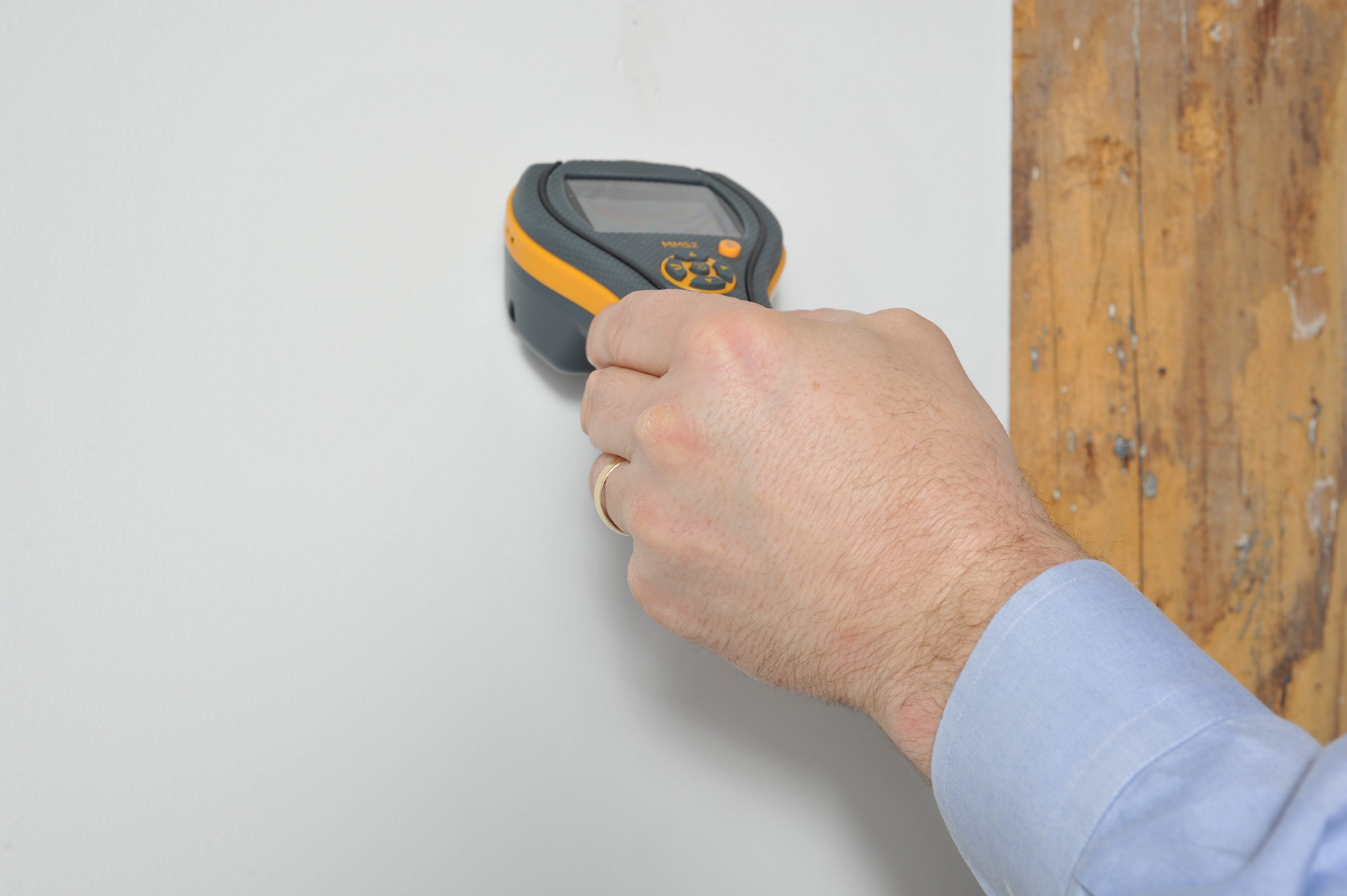
- Moisture meter readings on walls, flooring, and baseboards
- Attic inspection for storm-related moisture
- HVAC system and duct evaluation
- Air sampling when conditions warrant it
The goal is to identify whether mold is present and, more importantly, what is causing it.
Moisture is always the driver.
Common Mold Locations in Titusville Rentals
Across Titusville and nearby areas like Mims and Rockledge, we frequently find mold in:
- Attic insulation after roof leaks
- Bathroom drywall behind tile
- Under kitchen sinks
- Inside air handler closets
- Beneath carpet padding
- Around window frames
Slab-on-grade construction common in Titusville allows moisture to migrate beneath flooring after heavy rain.
Without moisture detection tools, these areas often go unnoticed.
Early Warning Signs Property Owners Should Watch For
Even if tenants don’t report obvious issues, landlords should look for:
- Persistent musty odors
- Ceiling discoloration
- Warped baseboards
- Peeling paint
- Condensation around vents
- High indoor humidity
In Titusville’s climate, subtle signs usually mean moisture has been present longer than expected.
Regular turnover inspections are a critical opportunity to check for these clues.
Why Mold Testing May Be Recommended
In some rental situations, mold testing helps clarify the extent of a problem.
Testing may include:
- Indoor air sampling
- Outdoor comparison samples
- Surface sampling of visible growth
Testing is especially useful when:
- Tenants report odor without visible mold
- There was recent storm damage
- The property is being sold or refinanced
- Insurance documentation is required
Testing provides data to guide next steps.
The Role of HVAC Systems in Rental Properties
HVAC systems are a common moisture source in Florida rentals.
Common issues include:
- Clogged condensate drain lines
- Wet duct insulation
- Dirty evaporator coils
- Poor airflow
In Titusville homes, AC systems run heavily during humid months. If drainage fails, moisture can accumulate inside air handlers or duct systems.
During inspections, HVAC areas are carefully evaluated to ensure condensation isn’t contributing to mold risk.
Routine HVAC maintenance reduces future problems significantly.
Storm Damage and Attic Inspections
Titusville properties frequently experience heavy storm activity.
After storms, rental property owners should:
- Check attic insulation for dampness
- Inspect roof decking for staining
- Look for displaced flashing
- Monitor ceiling areas below leak zones
Attics are one of the most overlooked mold areas in rental homes.
Even minor roof leaks can create long-term moisture conditions above ceilings.
What Happens If Mold Is Found
If mold is confirmed, the next step is identifying and correcting the moisture source.
Remediation may include:
- Containment of affected areas
- HEPA air filtration
- Controlled removal of damaged materials
- Surface cleaning and treatment
- Structural drying
The focus is always on solving the moisture issue first.
Selective removal minimizes disruption to tenants whenever possible.
Preventing Mold in Titusville Rental Properties
Prevention is far less costly than remediation.
Landlords can reduce mold risk by:
- Scheduling annual roof inspections
- Cleaning gutters regularly
- Flushing AC drain lines twice per year
- Monitoring indoor humidity
- Installing leak detection devices under sinks
- Conducting moisture checks between tenants
Routine inspections before and after Florida’s rainy season are especially valuable.
Proactive maintenance protects long-term property value.
Why Local Experience Matters
Mold inspection in Titusville requires understanding:
- Brevard County storm intensity
- Coastal humidity retention
- Slab-on-grade construction
- Common roofing systems in the area
Homes in Titusville behave differently than homes in dry regions.
Palm Bay Mold Removal regularly performs mold inspections across Titusville, Palm Bay, Melbourne, Rockledge, Merritt Island, and Viera.
Local familiarity allows faster identification of moisture patterns specific to Florida rental properties.
A Practical Next Step for Rental Property Owners
If you own a rental property in Titusville and notice subtle signs of moisture — or if the property recently experienced storm or plumbing issues — scheduling a professional mold inspection provides clarity.
Early detection prevents larger restoration projects.
In Florida’s humid climate, moisture problems rarely resolve on their own.
A structured inspection ensures your rental property stays safe, stable, and protected long term.