
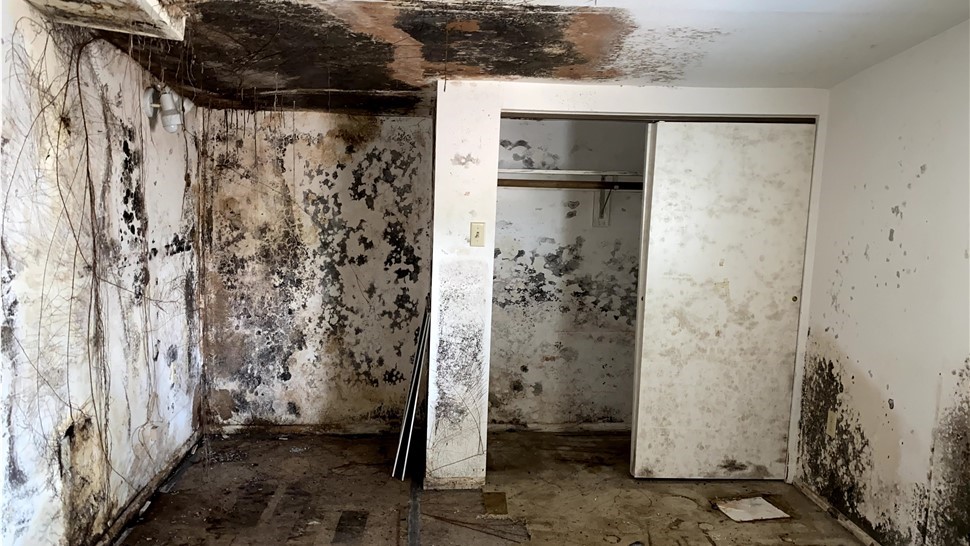
Black Mold Removal Services in Titusville After Storm Damage: Professional Tips for Property Owners
Storm season in Titusville doesn’t hold back. Heavy rain, wind-driven water intrusion, and prolonged humidity create the perfect conditions for black mold growth — especially when storm damage isn’t addressed immediately.
Whether you manage residential rentals near Garden Street, own property in Mims, or oversee commercial buildings closer to the Indian River Lagoon, storm-related mold issues require fast, structured response.
Black mold removal after storm damage isn’t just about cleaning surfaces. It’s about correcting moisture problems before structural damage spreads.
Here’s what property owners in Titusville should understand.
Why Storm Damage in Titusville Often Leads to Mold
Titusville properties face several storm-related risks:
- Wind-driven rain entering through roof gaps
- Flashing failures around vents and chimneys
- Window seal intrusion
- Flooding in low-lying areas
- Slab moisture migration after heavy rainfall
Storm water doesn’t always drip straight down. It can travel along rafters, behind siding, or inside wall cavities before becoming visible.
By the time staining appears, moisture may already be present inside structural materials.
In Florida’s warm, humid climate, mold can begin developing within 24–48 hours if materials remain damp.
Early Warning Signs After a Storm
After severe weather, property owners should watch for:
- Musty odors indoors
- Ceiling stains or discoloration
- Bubbling or peeling paint
- Soft drywall areas
- Warped baseboards
- Damp attic insulation
In Titusville and nearby Port St. John, we often inspect properties where minor roof leaks during storms led to hidden attic mold weeks later.
Ignoring small signs increases remediation scope.
Why Black Mold Is Common After Storm Events
Black mold thrives in:
- Warm temperatures
- Damp insulation
- Wet drywall
- Organic building materials
Storm damage creates exactly those conditions.
When roofing materials lift or gutters clog during heavy rainfall, water intrusion often goes unnoticed until mold growth becomes visible.
In nearby Rockledge and Merritt Island, similar patterns occur after extended rainy periods.
Prompt moisture control makes the difference.
Professional Mold Removal: Step-by-Step Approach
Step 1: Confirm and Stop the Moisture Source
Before removal begins, the storm-related damage must be repaired.
This may involve:
- Roof repair or temporary tarping
- Window resealing
- Flashing replacement
- Drainage correction
Without correcting the source, mold will return.
Step 2: Moisture Detection
Moisture meters and thermal imaging locate hidden water inside:
- Wall cavities
- Attic insulation
- Subfloors
- Ceiling assemblies
Storm water often spreads beyond visible damage.
Step 3: Containment
Affected areas are isolated to prevent spore spread into unaffected spaces.
Containment is especially important in occupied rental or commercial properties.
Step 4: Air Filtration
HEPA air scrubbers reduce airborne spores during removal.
This protects both occupants and surrounding areas.
Step 5: Controlled Material Removal
Heavily contaminated drywall, insulation, or ceiling materials may require selective removal.
Only affected sections are removed to limit disruption.
Step 6: Cleaning and Treatment
Remaining structural materials are cleaned and treated appropriately.
Drying begins immediately afterward.
Step 7: Structural Drying and Verification
Commercial dehumidifiers and air movers dry all affected materials.
Moisture levels are monitored until safe thresholds are reached.
Attic Mold After Storm Damage
Attics are one of the most common mold zones after storms.
Heavy wind can:
- Lift shingles
- Displace flashing
- Allow rain into insulation
Damp attic insulation combined with Florida heat creates ideal mold conditions.
Many Titusville properties show attic mold long before ceilings below show signs.
Post-storm attic inspections reduce this risk significantly.
HVAC Systems and Storm-Related Mold
After storms, HVAC systems may contribute to mold spread if:
- Attic insulation becomes damp
- Duct insulation is compromised
- Return plenums pull humid air
If mold is present near air handling equipment, air duct inspection may be recommended.
Moisture circulating through ductwork can distribute spores throughout the building.
Flooding and Slab Moisture Concerns
Low-lying areas in Titusville may experience localized flooding during tropical systems.
Flood-related mold risks include:
- Saturated drywall
- Wet subflooring
- Insulation deterioration
- Persistent humidity indoors
Immediate water extraction and drying reduce mold development significantly.
Delays allow contamination to spread.
Prevention Tips for Titusville Property Owners
Storm-related mold can often be prevented with proactive measures:
- Inspect roofs before and after storm season
- Clean gutters regularly
- Check attic insulation after heavy rain
- Maintain indoor humidity below 55%
- Flush AC drain lines routinely
- Address small leaks immediately
Regular inspection prevents small storm damage from turning into full remediation projects.
Why Local Experience Matters
Mold removal after storm damage in Titusville requires understanding:
- Brevard County storm intensity
- Coastal humidity patterns
- Slab-on-grade construction
- Older roofing systems common in the area
Properties in Titusville behave differently than buildings in dry regions.
Palm Bay Mold Removal regularly assists property owners across Titusville, Palm Bay, Melbourne, Rockledge, Merritt Island, and Viera after storm-related mold events.
Local familiarity ensures accurate diagnosis and efficient remediation.
A Practical Next Step
If your Titusville property experienced storm damage and you notice even minor signs of moisture or odor, early inspection is the safest move.
Black mold removal is most effective when moisture is corrected quickly and affected materials are addressed promptly.
In Florida’s humid climate, waiting rarely reduces the problem.
Fast action protects your property’s structure, indoor environment, and long-term value.