
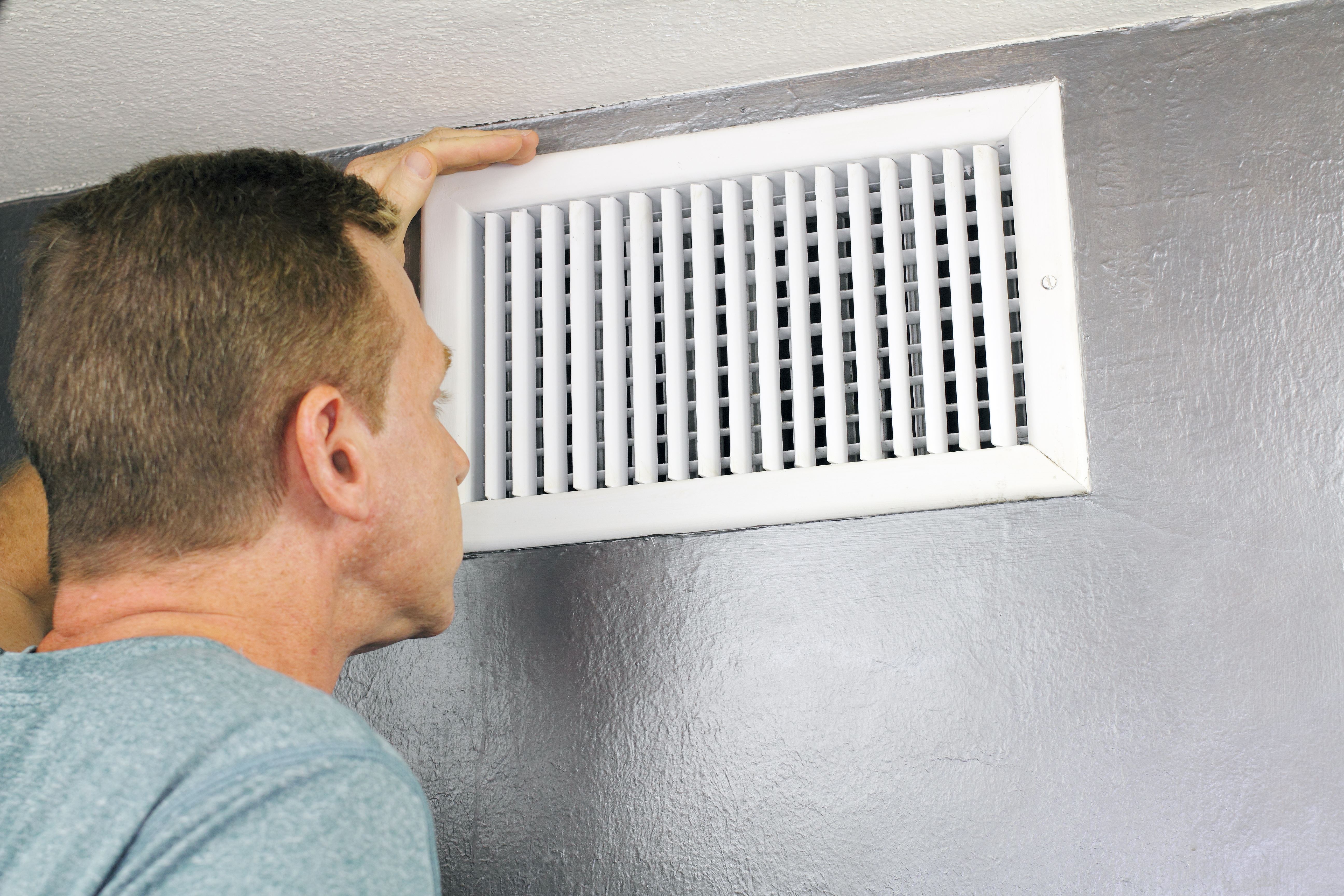
Duct Cleaning in Melbourne in Coastal Homes: Complete Guide for Homeowners
Living in Melbourne means dealing with heat, humidity, salty air, and long AC seasons. For most homeowners, the air conditioning system runs more months than it rests.
And in coastal homes, your ductwork quietly collects more than just dust.
Between humidity, attic heat, salt exposure, insulation fibers, and everyday household debris, ducts in Melbourne homes can become a hidden moisture and airflow issue over time.
This complete guide explains when duct cleaning makes sense, how it works, and what coastal homeowners should understand before scheduling service.
Why Coastal Melbourne Homes Have Unique Duct Challenges
Melbourne sits close enough to the coast that homes experience:
- High ambient humidity
- Salt-heavy air
- Frequent rain and storm cycles
- Long cooling seasons
- Attic temperatures that spike in summer
Most duct systems in the area are located in:
- Attics
- Garages
- Wall cavities
In humid environments, ducts can experience condensation, insulation breakdown, and airflow restrictions if not maintained properly.
Common Duct Issues in Melbourne Coastal Homes
1. Dust and Debris Buildup
Even in newer homes, ducts collect:
- Construction dust
- Insulation fibers
- Household debris
- Pet dander
Over time, buildup can restrict airflow and reduce system efficiency.
2. Humidity and Condensation
In coastal climates, temperature differences between conditioned air and hot attic air can cause duct sweating.
Moisture combined with dust creates conditions that may support odor or microbial growth inside duct insulation.
3. Salt Air Corrosion
Salt exposure accelerates wear on:
- Metal duct connections
- Fasteners
- Air handler components
- Drain pans
While ducts aren’t directly exposed to ocean spray, salt-laden air infiltrates homes over time.
4. AC Drain Line Issues
If condensate drain lines clog:
- Moisture can back up into the air handler
- Duct insulation near the unit can become damp
- Airflow may spread humid air through the system
Routine maintenance reduces this risk.
Signs Your Ducts May Need Cleaning
Homeowners in Melbourne often notice:
- Musty odor when AC starts
- Dust buildup near vents
- Uneven airflow between rooms
- Increased allergy-like irritation
- Higher indoor humidity
- Visible debris inside return vents
While not every symptom requires cleaning, combined signs often justify inspection.
What Professional Duct Cleaning Involves
Duct cleaning is not simply vacuuming a vent opening. A proper process includes several steps.
Step 1: System Inspection
Before cleaning begins, the system is evaluated:
- Air handler condition
- Duct accessibility
- Insulation integrity
- Vent and return placement
Identifying moisture issues is critical before cleaning.
Step 2: Protecting the Home
Vents are covered and floors protected to prevent debris release into living spaces.
Containment helps ensure dust is removed safely.
Step 3: Agitation and Removal
Professional equipment is used to:
- Loosen debris inside duct lines
- Extract dust using high-powered vacuum systems
- Clean return and supply branches
The goal is removing buildup without damaging duct materials.
Step 4: Air Handler Cleaning
The air handler and accessible components are checked for:
- Dust accumulation
- Drain pan condition
- Coil cleanliness
- Drain line clogs
Cleaning ducts without addressing the air handler reduces effectiveness.
Step 5: Post-Cleaning Check
After cleaning:
- Airflow is reviewed
- Vents are reinstalled
- System performance is confirmed
Moisture issues should be corrected if discovered.
When Duct Cleaning Is Especially Important in Melbourne
Duct cleaning is often recommended after:
- Major renovation work
- Water damage events
- Roof leaks affecting attic ducts
- Mold remediation
- Extended AC drain backups
- Homes that sat vacant in humid conditions
Coastal humidity makes vacant homes particularly vulnerable.
What Duct Cleaning Does — and Doesn’t — Do
Duct cleaning can:
- Improve airflow
- Reduce dust recirculation
- Address odor caused by buildup
- Support HVAC efficiency
It does not:
- Replace proper humidity control
- Fix duct insulation damage
- Solve ongoing moisture intrusion
- Replace HVAC maintenance
Humidity management remains critical in Melbourne.
Cost Factors for Duct Cleaning in Coastal Homes
Costs depend on:
- Home size
- Number of vents
- Accessibility of duct runs
- Level of buildup
- Air handler condition
- Attic duct exposure
Homes with extensive attic ductwork may require more labor.
Routine maintenance prevents larger expenses later.
Preventing Future Duct Issues in Melbourne
Homeowners can reduce duct problems by:
- Changing air filters regularly
- Clearing AC drain lines annually
- Inspecting attic ducts after storms
- Maintaining indoor humidity below 55%
- Scheduling seasonal HVAC maintenance
- Checking insulation around ducts for damage
Prevention is less expensive than corrective cleaning.
Why Local Experience Matters
Duct systems in Melbourne coastal homes behave differently because of:
- Constant humidity
- Salt exposure
- Attic heat extremes
- Slab foundation design
- Long AC operating seasons
Homes in Melbourne, West Melbourne, Palm Bay, Satellite Beach, Merritt Island, and Titusville share similar environmental patterns.
Palm Bay Mold Removal regularly handles duct inspections and cleaning throughout Brevard County, focusing on moisture detection first and cleaning second — because in Florida, airflow and humidity are connected.
A Practical Next Step
If you notice musty odors, airflow imbalance, or dust buildup in your Melbourne coastal home, a professional duct inspection can determine whether cleaning is appropriate.
In humid climates, ducts don’t just move air — they move moisture.
Keeping them clean and dry helps maintain indoor comfort, system efficiency, and long-term structural protection.