
Merritt Island Mold Removal During Rainy Season: Professional Tips for Property Owners
Rainy season on Merritt Island brings more than afternoon downpours and saturated lawns. It brings sustained humidity, wind-driven rain, and repeated moisture exposure that can quietly affect homes and rental properties across the island.
For property owners, mold removal during this time of year isn’t uncommon. What matters most is handling it correctly — and understanding why rainy season changes the way mold problems develop.
If you own property near the Indian River, in established Merritt Island neighborhoods, or in low-lying areas prone to pooling water, this guide will help you understand what to watch for and how to approach mold removal the right way.
Why Rainy Season Increases Mold Problems on Merritt Island
Merritt Island’s location between the Indian River and Banana River creates naturally higher humidity levels compared to inland areas.
During rainy season, three factors combine:
- Prolonged high humidity
- Frequent storms with heavy rain
- Warm temperatures
Even small amounts of water intrusion during storms can linger for days. When materials like drywall, insulation, and wood framing stay damp, mold growth becomes more likely.
Unlike sudden flooding events, rainy season mold often develops slowly and quietly.
Common Moisture Entry Points During Storms
Property owners often assume major roof leaks are the only concern. In reality, mold often starts from smaller, repeated moisture exposures.
Typical rainy season intrusion points include:
- Worn roof flashing
- Aging shingles
- Window seals exposed to wind-driven rain
- Sliding glass door tracks
- Garage door thresholds
- Attic ventilation openings
- AC condensate line backups
On Merritt Island, wind direction during storms plays a significant role. Rain forced sideways can enter areas that remain dry the rest of the year.
Warning Signs Property Owners Should Notice
Mold doesn’t always appear immediately after a storm. Early signs may include:
- Musty odors indoors
- Discoloration along ceiling lines
- Bubbling paint
- Soft drywall near windows
- Warped baseboards
- Persistent indoor humidity
In rental properties, tenants may describe the issue as “stale air” or “a damp smell.”
If these signs appear during rainy season, investigation should not be delayed.
Why Mold Removal During Rainy Season Requires Extra Care
Mold remediation during dry months is straightforward. During rainy season, ongoing humidity complicates the process.
If the home environment remains humid:
- Materials may not dry completely
- Mold may return after surface cleaning
- Hidden moisture may persist behind walls
Effective removal requires moisture control first.
Palm Bay Mold Removal often emphasizes moisture detection and humidity management before beginning remediation in Merritt Island homes.
The Professional Mold Removal Process
Proper mold removal follows a structured approach.
1. Inspection and Moisture Detection
Technicians identify the source of moisture using moisture meters and thermal imaging.
2. Containment
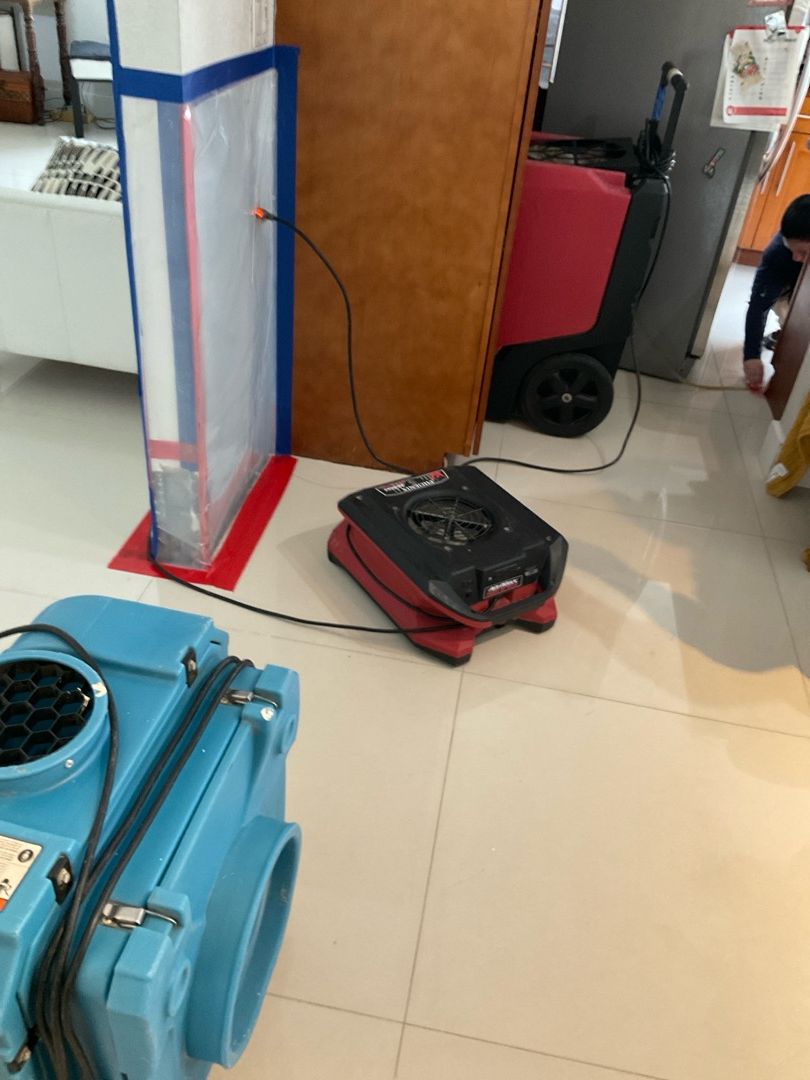
Affected areas are isolated to prevent spore spread during cleaning.
3. Removal of Contaminated Materials
If drywall or insulation is heavily impacted, removal may be necessary.
4. Cleaning and Treatment
Surfaces are cleaned using appropriate professional methods.
5. Structural Drying
Air movers and dehumidifiers reduce moisture to safe levels.
6. Final Verification
Moisture readings confirm that the area is dry before restoration is completed.
Skipping any of these steps increases the risk of recurrence.
The Role of Attics During Rainy Season
Attics are one of the most common mold development areas on Merritt Island.
Heavy storms may cause minor roof leaks that go unnoticed. Wet insulation and roof decking create ideal mold conditions.
Because attics are rarely visited, growth can spread significantly before detection.
Routine attic inspections during rainy months are highly recommended for property owners.
AC Systems and Mold During Humid Months
Air conditioning systems run constantly during rainy season.
If condensate lines clog or insulation becomes damp, mold can form inside:
- Air handler cabinets
- Evaporator coils
- Ductwork
Musty odors when the AC turns on often indicate internal moisture issues.
Mold removal may require both structural remediation and HVAC inspection to ensure contamination doesn’t circulate.
Rental Property Considerations
For landlords on Merritt Island, rainy season increases maintenance responsibilities.
Tenants may:
- Delay reporting minor leaks
- Run AC continuously
- Overlook small signs of moisture
Proactive seasonal inspections can prevent larger remediation projects.
Documented maintenance also protects property owners by demonstrating responsible care.
Preventing Mold After Remediation
Removing mold is only part of the solution. Prevention is essential during ongoing rainy conditions.
Property owners should:
- Inspect roofing annually
- Maintain gutters and drainage systems
- Seal windows and doors properly
- Service AC systems regularly
- Monitor indoor humidity levels
Homes across Merritt Island, Cocoa Beach, and Satellite Beach benefit from seasonal moisture inspections before peak storm cycles.
Why DIY Mold Removal Often Fails
During rainy season, surface cleaning rarely solves the problem.
Common DIY mistakes include:
- Painting over mold stains
- Using household cleaners without containment
- Ignoring the moisture source
- Failing to measure humidity levels
Without identifying and correcting moisture intrusion, mold is likely to return.
Professional remediation focuses on eliminating the cause — not just visible growth.
Why Local Experience Matters on Merritt Island
Merritt Island homes face unique environmental conditions.
Coastal winds, river humidity, and heavy afternoon storms create moisture patterns different from inland areas like Viera or West Melbourne.
A company familiar with Brevard County understands:
- Local construction styles
- Common roofing vulnerabilities
- Slab moisture movement
- Seasonal humidity cycles
Palm Bay Mold Removal has worked throughout Merritt Island and surrounding communities, addressing mold issues specific to Florida’s rainy season climate.
Local knowledge leads to faster diagnosis and more effective long-term solutions.
When to Schedule Professional Mold Removal
Consider scheduling an inspection if:
- You smell persistent mustiness
- Storm damage recently occurred
- You notice discoloration on ceilings or walls
- Indoor humidity remains high
- Tenants report respiratory discomfort
- You are preparing a property for sale or new tenants
Acting early prevents small moisture problems from becoming structural repairs.
Final Thoughts
Rainy season on Merritt Island brings elevated humidity and repeated moisture exposure. For property owners, that means increased mold risk.
Professional mold removal during this time requires more than surface cleaning. It demands moisture detection, controlled remediation, structural drying, and preventative planning.
With proper inspection and timely response, mold can be addressed safely and effectively — even during Florida’s wettest months.
Moisture may be part of life on Merritt Island, but long-term mold damage doesn’t have to be.